
Key Takeaways
- Orange County hosts over 2,000 AA and NA meetings every week across dozens of cities.
- Meetings are free and open to anyone with a desire to stop drinking or using drugs.
- Major meeting hubs include Costa Mesa, Huntington Beach, Anaheim, and Santa Ana.
- Online meetings provide flexible options for those with scheduling or transportation challenges.
AA and NA Meetings in Orange County: An Overview
AA and NA meetings in Orange County form one of the most active recovery fellowship networks in the country. With more than 2,000 meetings held each week, there is virtually always a meeting happening somewhere in the county, regardless of the time of day or night. From early morning meetings in Anaheim to late-night gatherings in Costa Mesa, support is always within reach.
Alcoholics Anonymous and Narcotics Anonymous are peer-led support groups based on the 12-step model of recovery. Meetings are free, require no registration, and are open to anyone who has a desire to stop drinking or using drugs. The fellowship model provides a sense of community, accountability, and shared experience that complements professional treatment.
Whether you are newly sober, have been in recovery for years, or are simply exploring your options, attending a meeting is one of the most accessible steps you can take. This guide will help you understand the types of meetings available and where to find them throughout Orange County.
If you are nervous about attending your first meeting, call the Orange County AA Intergroup hotline or the NA helpline. Volunteers can answer your questions, explain what to expect, and even arrange for someone to meet you at the door.
Types of Meetings Available
Not all AA and NA meetings follow the same format. Understanding the different types can help you find meetings that resonate with your needs and preferences. Most meeting directories list the format alongside the time and location, making it easy to choose before you arrive.
Open vs. Closed Meetings
Open meetings welcome anyone, including family members, students, and professionals who want to learn about the recovery process. These meetings are a good starting point if you are unsure whether you have a problem or if you want to support a loved one. Speakers typically share their personal stories of addiction and recovery.
Closed meetings are reserved for individuals who identify as having a drinking or drug problem. The smaller, more intimate setting often encourages deeper sharing and vulnerability. If you are committed to recovery, closed meetings offer a more focused environment for personal growth.
Speaker, Discussion, and Step Study Meetings
Speaker meetings feature one or two individuals who share their personal recovery stories for 30 to 45 minutes. Discussion meetings open the floor for all attendees to share on a chosen topic. Step study meetings work through the 12 steps systematically, often spending one or more weeks on each step.
Additional formats include Big Book study meetings that read and discuss the foundational AA text, meditation meetings that incorporate mindfulness practices, and young people meetings designed for those under 30 or 35. Orange County offers all of these formats in abundance.
Where to Find Meetings Across Orange County
Meetings are held in churches, community centers, hospitals, clubhouses, and dedicated meeting halls throughout Orange County. Several cities stand out as major hubs for meeting activity due to their large recovery populations and well-established meeting infrastructure.
Costa Mesa and Huntington Beach
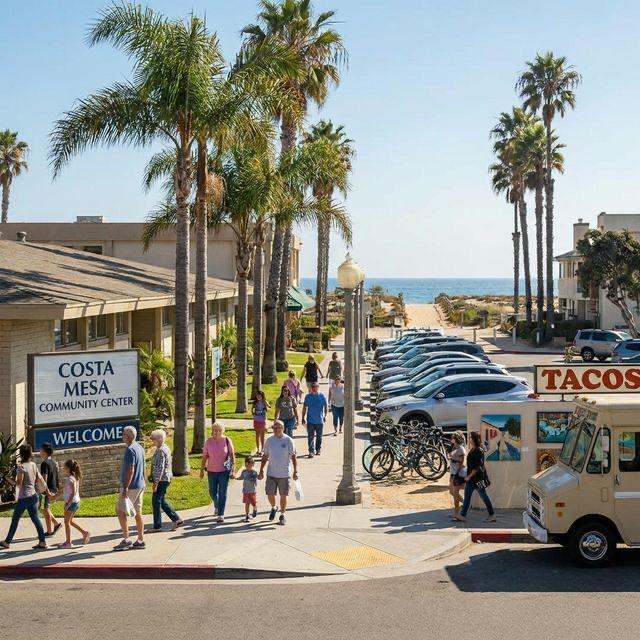
Costa Mesa is the undisputed meeting capital of Orange County. The city hosts dozens of daily meetings at locations like the Triangle Club, the Costa Mesa Alano Club, and numerous churches throughout the city. Meetings run from early morning through late evening, ensuring that residents in this recovery-rich community always have access to support.
Huntington Beach offers a robust meeting schedule as well, with popular gatherings at the Huntington Beach Alano Club near the intersection of Beach Boulevard and Edinger Avenue. The proximity to the beach means that many attendees combine meetings with walks along the shore, creating a natural recovery-supportive routine.
Anaheim, Santa Ana, and Irvine
Anaheim and Santa Ana host many Spanish-language meetings, serving the large Latino community in northern Orange County. The Santa Ana Alano Club on West First Street is a longstanding meeting hub. Anaheim meetings are spread across community centers and churches near Harbor Boulevard and Katella Avenue.
Irvine offers meetings that cater to professionals and families in south Orange County. The Irvine Alano Club and various church meeting rooms along Culver Drive and University Drive host daily gatherings. Meetings in this area tend to draw a mix of long-term residents and university students from nearby UC Irvine.
Online Meetings and Digital Resources
Online AA and NA meetings expanded dramatically during the pandemic and remain a vital resource for people in Orange County. Virtual meetings eliminate barriers related to transportation, childcare, disabilities, and scheduling conflicts. Many Orange County groups continue to offer hybrid options that combine in-person and online attendance.
The AA Intergroup of Orange County website maintains a searchable meeting directory that includes online options. NA meeting schedules are available through the Orange County Area of Narcotics Anonymous website. Both resources are updated regularly and allow you to filter by day, time, location, and meeting type.
Mobile apps like Meeting Guide by AA World Services and the NA Meeting Search app provide GPS-based meeting finders that work anywhere in Orange County. Simply open the app, and it will display the nearest meetings sorted by time and distance from your current location.
Tips for Attending Your First Meeting
Walking into your first AA or NA meeting can feel intimidating, but the fellowship is designed to be welcoming to newcomers. You do not need to speak, introduce yourself, or share anything personal if you are not comfortable. Simply showing up and listening is a perfectly acceptable way to start.
Arrive a few minutes early to get comfortable with the space. Many meetings offer coffee and informal conversation before the formal start time. If someone greets you and asks if it is your first meeting, they will likely offer to sit with you and explain the format. This kind of newcomer support is a cornerstone of the fellowship culture.
There is no dress code, no fee, and no obligation to return. A basket is typically passed for voluntary donations, usually a dollar or two, but contributing is entirely optional. The only requirement for membership in AA or NA is a desire to stop drinking or using drugs.
- 1Arrive five to ten minutes early to settle in
- 2You do not need to share or speak at your first meeting
- 3Listen for experiences that resonate with your own
- 4Consider trying several different meetings before deciding on a home group
- 5Exchange phone numbers with welcoming members for support between meetings
The only requirement for membership is a desire to stop drinking. There are no dues or fees for AA membership.
— Tradition Three, Alcoholics Anonymous
Beyond AA and NA: Alternative Recovery Meetings
While AA and NA are the most widely available recovery fellowships in Orange County, they are not the only options. Alternative meetings provide different frameworks for recovery that may appeal to people who do not connect with the 12-step approach. Orange County hosts meetings for several alternative programs.
SMART Recovery uses a science-based, self-empowerment approach with meetings in Irvine, Costa Mesa, and online. Refuge Recovery and Recovery Dharma offer meditation-based recovery programs with meetings in Newport Beach and Laguna Beach. Celebrate Recovery, a faith-based program, holds meetings at churches throughout Anaheim, Orange, and Fullerton.
Dual Recovery Anonymous is specifically designed for individuals managing both addiction and mental health conditions. Women for Sobriety provides a program tailored to the unique recovery needs of women. Both programs have a presence in Orange County, though meetings may be less frequent than AA or NA.
How Trust SoCal Connects Clients to Local Meetings
At Trust SoCal in Fountain Valley, we integrate meeting attendance into our treatment programs and aftercare plans. Our clinical team helps clients explore different meeting formats, develop a regular meeting schedule, and build fellowship connections that support long-term recovery. We are located at 16537 Elm Cir, Fountain Valley, CA 92708, conveniently situated near meeting hubs throughout Orange County.
Whether you are currently in treatment, considering rehab, or looking for community support in recovery, our team can help you navigate the meeting landscape in Orange County. Call (949) 280-8360 to speak with an admissions counselor who can answer your questions and connect you with local resources.

Kristin Stevens, LCSW
Licensed Clinical Social Worker