Key Takeaways
- Tallahassee and Leon County residents have access to a range of addiction treatment options through local providers and partnerships with Jacksonville and Northeast Florida facilities.
- The presence of Florida State University and Florida A&M University in Tallahassee creates specific substance use patterns among college-age populations.
- Tallahassee has several hospital-based treatment systems that provide medical detoxification, residential programming, and intensive outpatient services.
- Medicaid and private insurance cover substance abuse treatment in Leon County, with several programs offering sliding-scale fees for uninsured residents.
- The state capital environment includes unique populations including government employees, university staff, and student populations with specific treatment needs.
- Out-of-state treatment programs like Trust SoCal provide Tallahassee residents with geographic distance from local triggers and comprehensive fresh-start treatment environments.
The Addiction Landscape in Tallahassee and Leon County
Tallahassee, the capital of Florida, is the economic, governmental, and cultural center of North-Central Florida. Home to Florida State University and Florida A&M University, Tallahassee serves approximately 200,000 residents with a significant student population that changes seasonally. The city's reliance on government employment, university employment, and tourism creates a diverse demographic landscape with varying substance use patterns.
Like much of Florida, Tallahassee and Leon County have experienced increases in opioid-related overdose deaths driven by fentanyl contamination of the heroin supply. The university presence creates specific challenges around party drug use including MDMA, cocaine, and methamphetamine among student populations. Additionally, prescription drug abuse and alcohol use disorder are prevalent among government and university employees, often masked by professional status until the addiction becomes severe.
The state capital's substance abuse treatment infrastructure is more developed than in rural areas, with several hospital-based systems and specialized providers offering comprehensive services. However, the geographic distance from major metropolitan treatment centers in Jacksonville and Miami means some specialized services may require travel or out-of-state placement.
If you or someone you love is experiencing an overdose in Tallahassee, call 911 immediately. Florida's 911 Good Samaritan Act provides legal protections for individuals who call for emergency help during overdose events.
Substance Use Patterns in the State Capital
Understanding substance use patterns in Tallahassee helps guide appropriate treatment selection. College-age populations, government employees, and university staff create distinct substance abuse patterns specific to the capital city.
- Opioid use disorder is prevalent among multiple demographics, driven by fentanyl-contaminated heroin and prescription opioid misuse.
- College-related party drug use including MDMA, cocaine, and methamphetamine is concentrated around university areas.
- Prescription drug abuse and alcohol use disorder are common among professional populations in government and academia.
- Polysubstance use is extremely common across all demographics in Tallahassee.
Treatment Options Available in Tallahassee and Leon County
Tallahassee residents have access to medical detoxification through hospital-based systems including Capital Regional Medical Center and Tallahassee Memorial Healthcare. These facilities provide 24-hour medical supervision for safe withdrawal management. Residential treatment programs offering 28 to 90-day stays with intensive therapy, group counseling, and psychiatric services are available through various providers in Tallahassee and surrounding areas.
Intensive outpatient programs and partial hospitalization services are available for individuals with less severe substance use disorders or those stepping down from residential care. Outpatient therapy and medication-assisted treatment options exist throughout Leon County. For university students, some specialized college-oriented treatment programs may be available.
Many Tallahassee residents access treatment through Jacksonville or other regional centers, and some benefit from considering out-of-state options that provide geographic distance from local triggers and comprehensive on-campus treatment programming.
Hospital-Based Treatment Systems in Tallahassee
Tallahassee's hospital-based treatment systems provide comprehensive care from medical detoxification through outpatient services. Capital Regional Medical Center and Tallahassee Memorial Healthcare both offer substance abuse treatment programming.
- Hospital-based detox provides 24-hour medical oversight for complex medical presentations.
- Medical detoxification typically lasts 3 to 10 days with medication-assisted management.
- Hospital partnerships with residential and outpatient programs support seamless treatment transitions.
- Most hospital-based programs accept insurance, Medicaid, and uninsured patients on sliding-scale basis.
Medication-Assisted Treatment in Tallahassee
Medication-assisted treatment is the gold standard for opioid and alcohol use disorders. Tallahassee has office-based buprenorphine providers and connections to methadone and naltrexone therapy through local programs. SAMHSA strongly endorses MAT, and treatment selection should prioritize programs supporting medication therapy.
Some treatment providers maintain abstinence-only philosophies that discourage medication use. This perspective contradicts current medical standards. When evaluating programs, ask explicitly about the facility's position on MAT and ensure support for medication therapy if clinically indicated.
Tallahassee residents choosing treatment at Trust SoCal in California will have seamless medication continuity. The clinical team coordinates transfers of buprenorphine, methadone, or naltrexone therapy, ensuring uninterrupted medication coverage. This coordination occurs during pre-admission intake and can be discussed by calling (949) 280-8360.
SAMHSA's National Treatment Helpline (1-800-662-4357) is free, confidential, and available 24/7. It provides MAT provider referrals and answers treatment questions.
Insurance Coverage and Financial Options
The Affordable Care Act requires most health insurance plans to cover substance abuse treatment as an essential health benefit. Plans available through HealthCare.gov, employer-based plans, and union plans cover detoxification, inpatient, intensive outpatient, and medication-assisted treatment. Specific coverage details vary by plan.
Florida Medicaid provides comprehensive substance abuse treatment coverage for eligible residents throughout Leon County. Services covered include detox, residential, partial hospitalization, intensive outpatient, and medication-assisted treatment through Medicaid-contracted providers.
For uninsured or underinsured Leon County residents, state and federal funding supports free and low-cost treatment through community providers. Additionally, many quality programs including Trust SoCal offer complimentary insurance verification. By calling (949) 280-8360, Tallahassee residents can have coverage reviewed in detail with clear explanation of benefits and costs.
Always request a free clinical assessment and insurance verification before committing. Reputable programs provide this at no cost.
Specialized Treatment for Tallahassee Populations
Tallahassee's unique demographics create specific treatment needs. College-aged students at FSU and FAMU require treatment addressing the intersection of developmental challenges, academic pressure, and substance abuse. Government employees and professionals often delay treatment due to professional concerns and career worries. University faculty and staff may require treatment addressing workplace stress, burnout, and professional identity.
Additionally, Tallahassee has LGBTQ+ residents, particularly in areas like South City, who may require affirming treatment addressing minority stress. Military families and veterans may need treatment integrating trauma and PTSD care. Gender-specific programs addressing childcare, trauma, and family reunification support are essential for women in the community.
Out-of-state programs like Trust SoCal offer specialized treatment tracks for college-aged students, professionals, LGBTQ+ individuals, and trauma survivors, providing comprehensive care addressing the specific clinical and identity needs of diverse populations.
College Student Addiction Treatment
College students in Tallahassee require specialized treatment addressing the developmental and environmental challenges specific to university populations. College-specific programs provide peer support, address academic reintegration, and manage the transition back to academic environments.
- College-specific programs address substance use in the context of developmental challenges, academics, and peer relationships.
- Treatment includes support for returning to academic environments and managing relapse triggers on college campuses.
- Family involvement and communication with university disability services or counseling centers is often part of the recovery process.
Geographic and Logistical Considerations
Tallahassee's position in North-Central Florida places it approximately 160 miles from Jacksonville and over 200 miles from Miami, the state's major metropolitan treatment centers. While Tallahassee has adequate local treatment infrastructure, some specialized services may require travel or may be more accessible in larger centers.
For intensive outpatient programs requiring multiple weekly visits, Tallahassee residents generally have adequate local options. However, those seeking specialized programming or family-based treatment may need to consider regional options. Tallahassee International Airport provides connections to major airports, including direct or connecting flights to Orange County, California.
Out-of-state treatment at facilities like Trust SoCal eliminates transportation concerns by providing comprehensive on-campus treatment. The admissions team coordinates all travel arrangements and logistics for Tallahassee residents choosing California treatment.
Aftercare and Long-Term Recovery Support
Tallahassee offers numerous aftercare resources including Alcoholics Anonymous, Narcotics Anonymous, SMART Recovery, and Refuge Recovery meetings held throughout the city. These peer support programs provide essential connection and accountability for long-term sobriety.
Sober living homes are available in Tallahassee, providing structured environments bridging residential treatment and independent living. The Florida Association of Recovery Residences (FARR) certifies quality homes. Before committing to any sober living home, verify FARR certification and tour the facility in person.
For Tallahassee residents completing treatment at Trust SoCal in California, the clinical team develops a comprehensive discharge plan including local therapist referrals, psychiatry connections, support group schedules, sober living information, and emergency crisis resources. The alumni program maintains ongoing contact to support the vulnerable early recovery period.
Ensure discharge plan includes: local therapist appointment within one week, primary care physician, support group meeting schedule, emergency contacts, and detailed relapse prevention plan.
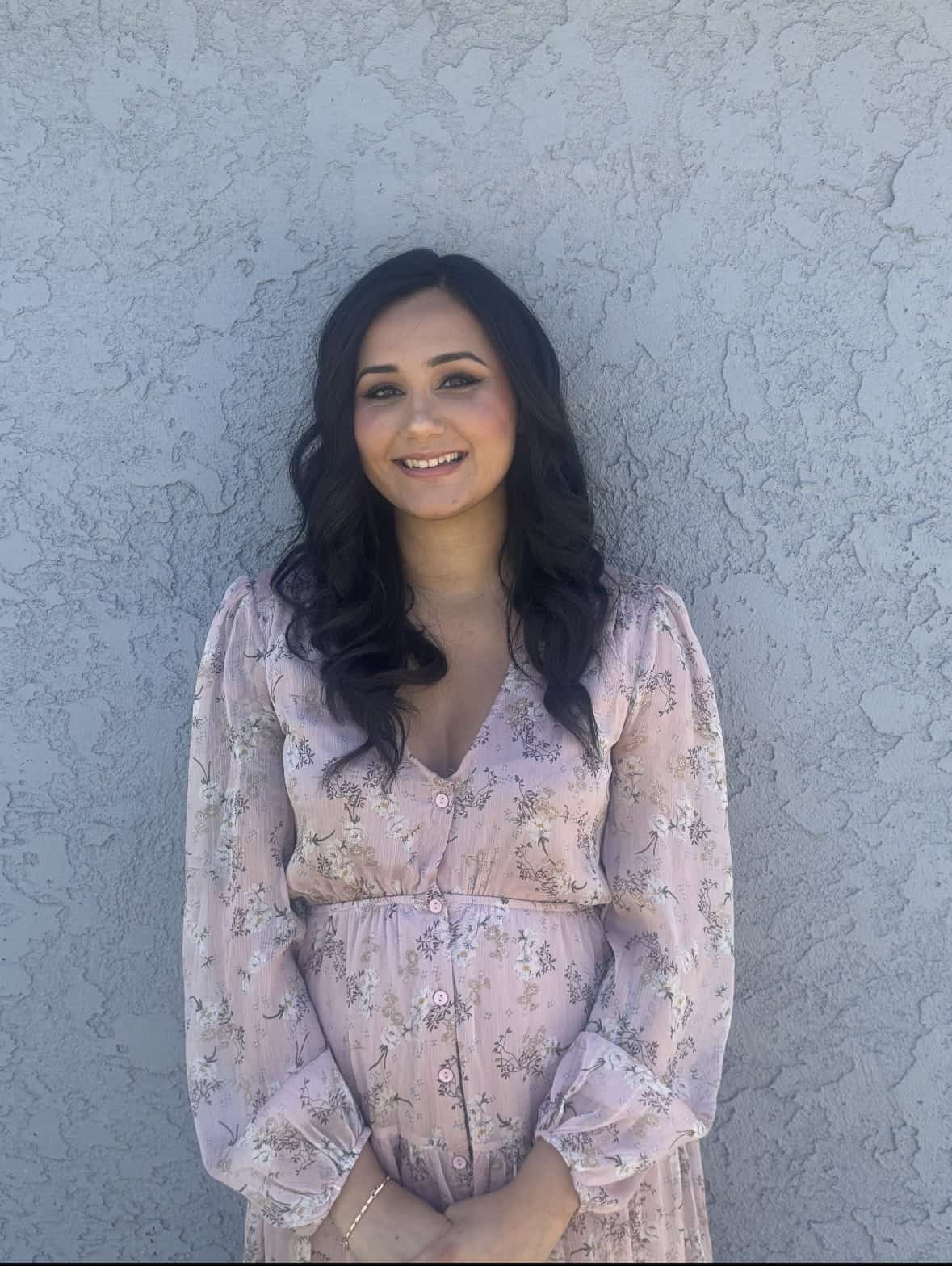
Rachel Handa, Clinical Director
Clinical Director & Therapist