
Key Takeaways
- Agoraphobia, the fear and avoidance of situations perceived as inescapable or where help is unavailable, affects approximately 1.7 percent of adults and frequently co-occurs with substance use disorders.
- Alcohol and benzodiazepines are the most commonly used substances for self-medicating agoraphobia, providing temporary courage to face feared situations but worsening avoidance and anxiety over time.
- The isolation inherent in agoraphobia creates significant barriers to accessing treatment, making telehealth and home-based initial interventions important components of care.
- Graduated exposure therapy combined with addiction treatment can systematically reduce avoidance while building substance-free coping skills.
- Trust SoCal in Orange County offers flexible treatment modalities that accommodate the unique access challenges faced by individuals with agoraphobia.
Understanding Agoraphobia Beyond the Stereotype
Agoraphobia is widely misunderstood as simply a fear of open spaces or leaving the house. In clinical reality, agoraphobia is a complex anxiety disorder characterized by intense fear and avoidance of situations where escape might be difficult or help unavailable in the event of a panic attack or other incapacitating symptoms. These situations commonly include public transportation, open spaces, enclosed spaces, crowds, and being outside the home alone.
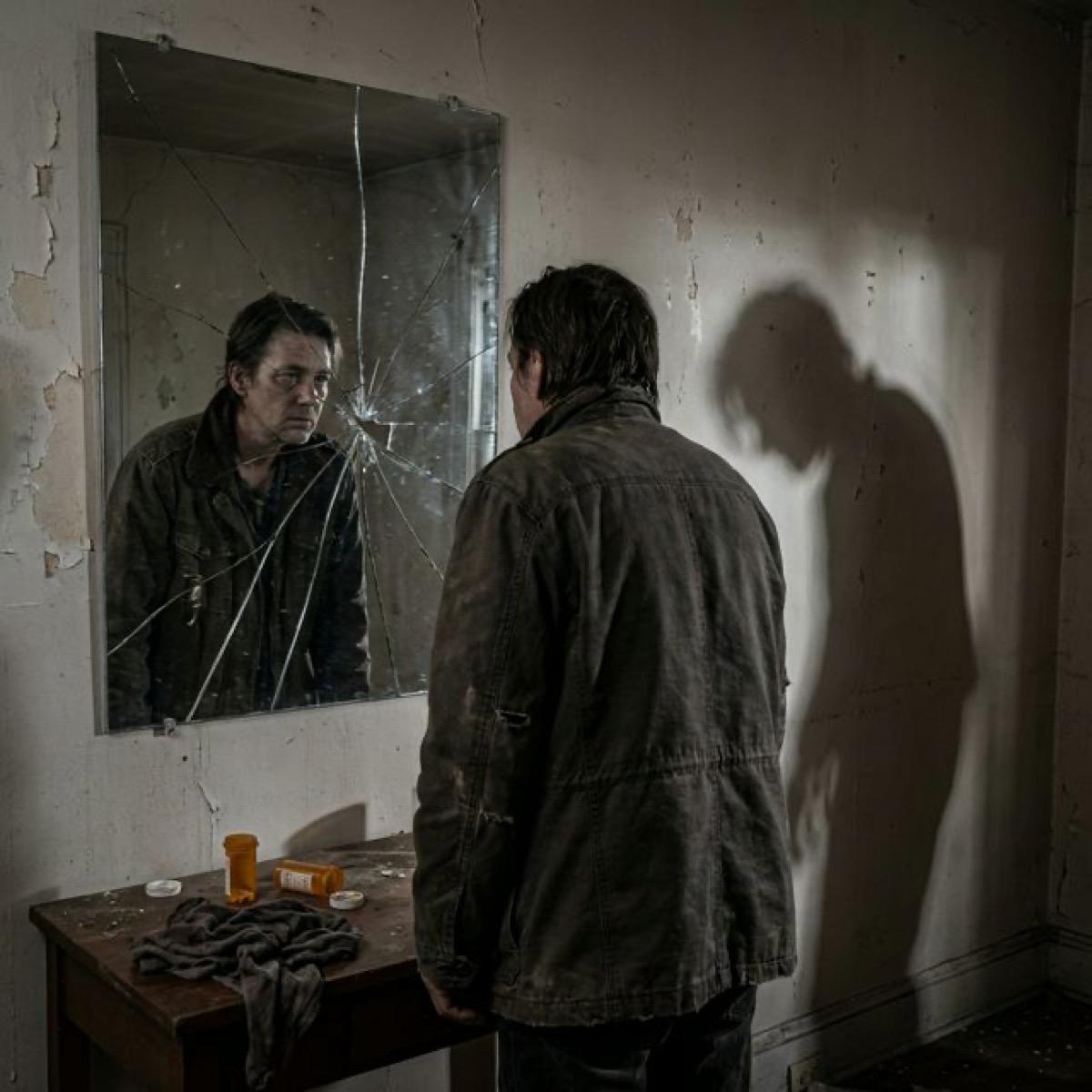
The avoidance behavior that defines agoraphobia can range from mild discomfort in certain situations to complete homebound isolation. In severe cases, individuals may not leave their homes for months or years, depending entirely on others for basic necessities. This progressive restriction of life creates fertile ground for substance use as one of the few available coping mechanisms.
At Trust SoCal in Orange County, our clinical team recognizes that treating substance abuse without addressing the underlying agoraphobia, and vice versa, is unlikely to produce lasting recovery. Our integrated approach treats both conditions simultaneously, gradually expanding the client's world while building substance-free tools for managing anxiety.
The Self-Medication Cycle in Agoraphobia
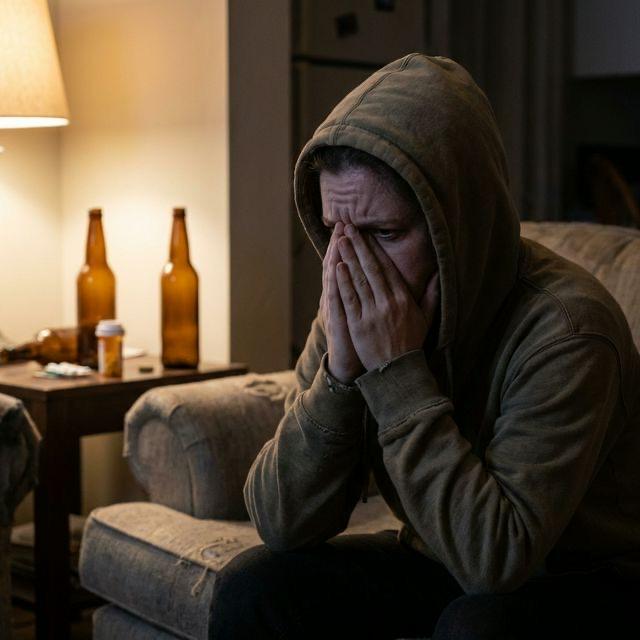
The self-medication pattern in agoraphobia follows a predictable trajectory that ultimately deepens both conditions. An individual who experiences panic attacks in public settings discovers that alcohol or benzodiazepines provide enough anxiolytic effect to face feared situations. This liquid courage or chemical confidence allows them to shop for groceries, attend family events, or commute to work, activities that would otherwise be impossible.
However, this chemical crutch prevents the natural habituation process through which anxiety normally decreases with repeated exposure. Because the individual attributes their ability to function to the substance rather than to their own capacity, they never develop genuine confidence in their ability to tolerate anxiety. The substance becomes an essential companion for any venture outside the comfort zone.
Over time, tolerance develops, requiring higher doses to achieve the same anxiety reduction. The feared situations may actually worsen as rebound anxiety between doses intensifies the agoraphobic response. The individual becomes dependent on the substance while the agoraphobia continues to progress unchecked.
Research indicates that approximately 33 percent of individuals with agoraphobia also meet criteria for an alcohol use disorder, with even higher rates of benzodiazepine misuse in this population.
Barriers to Treatment Access
Agoraphobia creates unique barriers to accessing addiction treatment that clinicians and treatment programs must proactively address. The very nature of the condition, fear of leaving safe environments, directly conflicts with the traditional model of presenting to a treatment facility for care.
Many individuals with agoraphobia have experienced failed treatment attempts not because the treatment was inappropriate but because they could not physically get to the treatment setting. The anxiety of traveling to an unfamiliar location, navigating a new environment, and being away from home may be as overwhelming as the addiction itself.
- Inability to travel to treatment facilities due to fear of public transportation, driving, or being far from home
- Panic attacks triggered by the unfamiliar treatment environment itself
- Avoidance of group settings where agoraphobic individuals may feel trapped or unable to leave
- Reluctance to disclose agoraphobia symptoms due to shame or fear of being perceived as weak
- Geographic isolation in severe cases where the individual has not left home in extended periods
Integrated Treatment Approaches
Effective treatment for co-occurring agoraphobia and substance abuse requires a graduated approach that respects the individual's current capacity while systematically expanding it. At Trust SoCal, treatment may begin with telehealth sessions or home visits for individuals whose agoraphobia prevents initial in-person attendance, with a collaborative plan to gradually transition to on-site treatment as anxiety management skills develop.
Exposure and response prevention therapy, the gold standard for agoraphobia, is carefully integrated with addiction treatment. Exposure exercises are designed to help clients face feared situations without relying on substances, building genuine confidence through direct experience that anxiety is tolerable and temporary. Each successful exposure without substance use reinforces the individual's belief in their own capacity.
Cognitive-behavioral therapy addresses the catastrophic thinking patterns that fuel both agoraphobia and substance use. Clients learn to identify and challenge thoughts such as "I will have a panic attack and die" or "I cannot function without a drink" and replace them with more realistic, empowering alternatives. This cognitive restructuring supports both exposure-based anxiety treatment and relapse prevention.
Building an Expanding Life in Recovery
Recovery from co-occurring agoraphobia and addiction is measured not only by sobriety and symptom reduction but by the progressive expansion of the individual's world. Each situation that was previously avoided and each activity that was abandoned due to fear represents a potential recovery milestone as clients reclaim their freedom.
Trust SoCal develops individualized exposure hierarchies with each client, starting with manageable challenges and building toward situations that once seemed impossible. The satisfaction of walking into a grocery store unmedicated, driving across town independently, or attending a social gathering without liquid courage provides powerful reinforcement for continued recovery. Contact Trust SoCal at (949) 280-8360 to begin expanding your world.
Long-term recovery involves maintaining exposure gains while developing a rich, connected life that makes avoidance and substance use unnecessary. Support groups, ongoing therapy, and mindfulness practices all contribute to sustaining the progress achieved in treatment and continuing to grow beyond it.
Courtney Rolle, CMHC
Clinical Mental Health Counselor