Key Takeaways
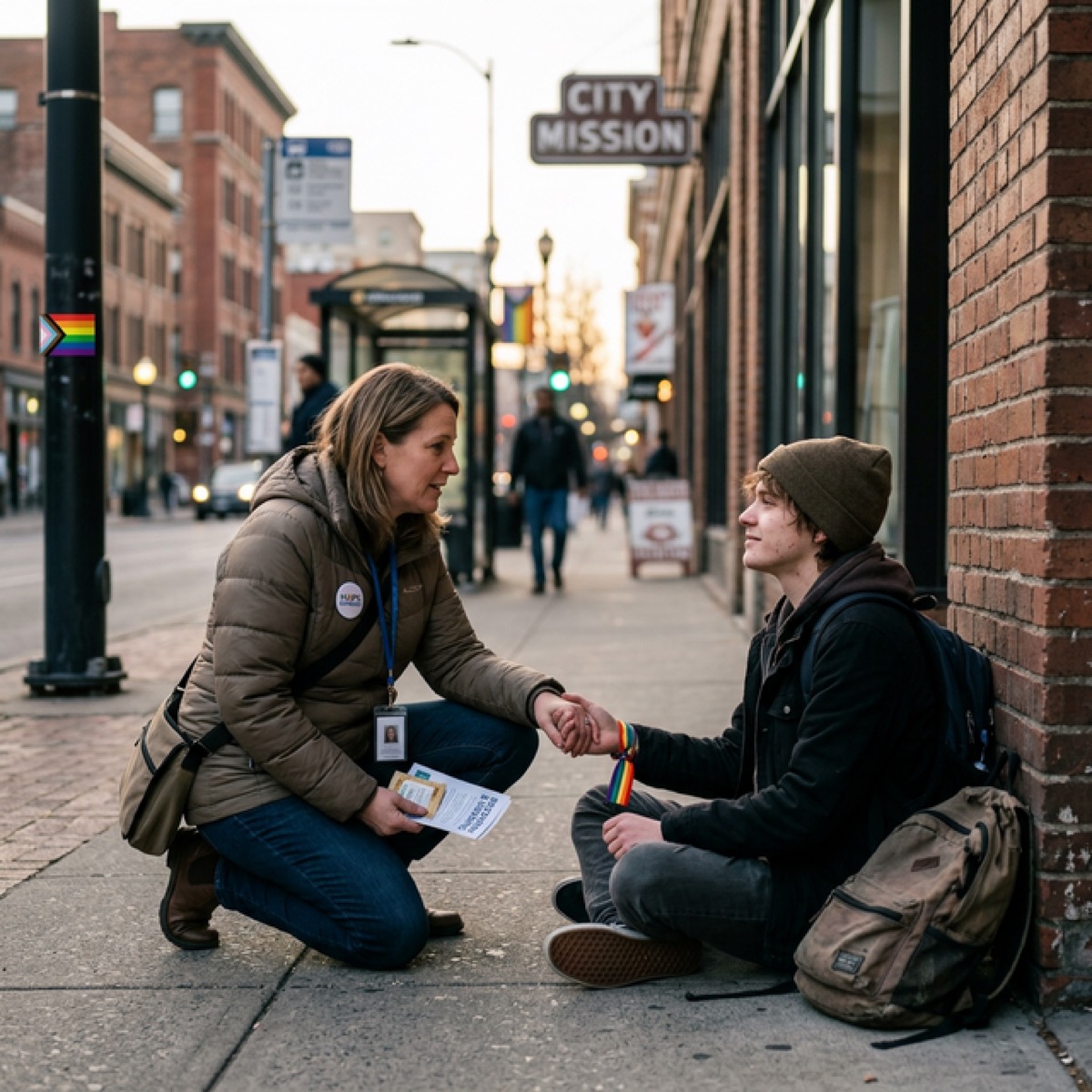
- Chosen family, consisting of friends, mentors, partners, and community members who provide unconditional support, is often the primary support system for LGBTQ+ individuals in recovery.
- Approximately 40% of homeless youth are LGBTQ+, many of whom were rejected by biological families, making chosen family their only source of familial support.
- Treatment programs that only involve biological family in family therapy may miss the most important relationships in an LGBTQ+ client's life.
- Building a sober chosen family requires intentional effort to develop relationships not centered on substance use.
- Trust SoCal includes chosen family in treatment planning and family therapy when appropriate. Call (949) 280-8360.
Understanding Chosen Family in LGBTQ+ Life
The concept of chosen family, sometimes called "found family" or "family of choice," has deep roots in LGBTQ+ culture. Historically, LGBTQ+ individuals who were rejected by their biological families created alternative family structures, networks of friends, mentors, partners, and community members who provided the love, support, and belonging that biological families withheld. The ballroom culture of the 1980s, with its system of "houses" led by "mothers" and "fathers," is perhaps the most visible example of LGBTQ+ chosen family, but the practice extends across all LGBTQ+ communities.
Chosen family is not a lesser form of family. For many LGBTQ+ individuals, chosen family provides more consistent support, deeper understanding, and more unconditional acceptance than biological family ever has. A chosen family member who has watched you come out, supported you through discrimination, celebrated your identity milestones, and stood by you through addiction understands your experience in ways that even the most well-meaning biological family member may not.
The importance of chosen family in LGBTQ+ life has significant implications for addiction treatment. Traditional treatment models that center biological family involvement and assume that "family" means parents, siblings, and spouses may miss the most important relationships in an LGBTQ+ client's life. Effective treatment recognizes and incorporates chosen family as a legitimate and often primary source of recovery support.
Research from the Family Acceptance Project shows that family acceptance of LGBTQ+ identity is one of the strongest predictors of positive health outcomes, including reduced substance abuse. For many LGBTQ+ individuals, chosen family provides this acceptance when biological family does not.
When Biological Family Rejection Creates the Need for Chosen Family
Family rejection remains a devastating reality for many LGBTQ+ individuals. The Williams Institute at UCLA estimates that approximately 40% of homeless youth identify as LGBTQ+, many of whom became homeless after being rejected by their families. Family rejection predicts higher rates of depression, suicide attempts, and substance use among LGBTQ+ youth. When the people who are supposed to provide unconditional love instead withdraw it based on identity, the psychological wound is profound.
For individuals who have experienced family rejection, substance use often begins as a way to manage the grief, anger, and abandonment of being cast out by the people who were supposed to love them most. Alcohol numbs the pain of rejection. Drugs provide a temporary sense of belonging in communities where substance use is the price of admission. The addiction that develops is rooted in the loss of family, and recovery requires building new sources of the support and belonging that family was supposed to provide.
Chosen family fills this gap, but building chosen family takes time, vulnerability, and intentionality. A person in early recovery who has lost both biological family and the substance-using community that served as a substitute must build new relationships from the ground up. Treatment that supports this relationship-building process is essential for sustained recovery.
If you have been rejected by your biological family because of your LGBTQ+ identity, you are not alone. Family rejection is one of the most significant risk factors for substance abuse in LGBTQ+ youth. Building chosen family and seeking affirming treatment are critical steps. Call (949) 280-8360.
Incorporating Chosen Family into Treatment
Progressive treatment programs are expanding their definition of "family involvement" to include chosen family members. This means inviting chosen family members to family therapy sessions, including them in discharge planning, educating them about addiction and recovery, and recognizing their role in the client's support system. The language shift from "family therapy" to "support system therapy" or "family and loved ones therapy" reflects this expansion.
Including chosen family in treatment requires navigating complex dynamics. Chosen family members may themselves struggle with substance use, mental health issues, or boundary challenges. Some chosen family relationships may have developed within substance-using contexts and may need to be evaluated for their supportiveness of recovery. The clinical team must help the client identify which chosen family members are genuinely supportive of recovery and which may inadvertently undermine it.
Trust SoCal includes chosen family in treatment planning when appropriate and with the client's consent. We recognize that the people who matter most in your life may not share your DNA, and we honor those relationships in our clinical work. Family therapy sessions can include partners, close friends, mentors, and other chosen family members who play significant roles in your recovery. Call (949) 280-8360.
When entering treatment, identify the people who are most important in your support system, whether biological family, chosen family, or both. Ask your treatment team to include these people in your recovery planning.
How Treatment Programs Can Better Serve Chosen Families
Treatment programs can adapt their family involvement practices to better serve LGBTQ+ clients with chosen families.
- Use language like "family and support system" rather than assuming biological family
- Include chosen family members in family therapy when appropriate and client-approved
- Educate chosen family about addiction, recovery, enabling, and healthy boundaries
- Include chosen family in discharge planning and aftercare support
- Recognize chosen family in legal documents (healthcare proxy, emergency contacts)
- Address dynamics within chosen family that may affect recovery (substance use, boundary issues)
- Celebrate chosen family relationships as legitimate and valuable sources of support
Building Sober Chosen Family
One of the greatest challenges in LGBTQ+ recovery is building a chosen family that supports sobriety. Many LGBTQ+ social spaces and communities are centered around bars, clubs, and parties where substance use is prevalent. The chosen family that developed in these contexts may be deeply meaningful but also deeply entwined with substance use. Recovery often requires the painful process of evaluating which relationships support sobriety and which do not.
Building new sober chosen family takes intentional effort. LGBTQ+ recovery meetings, sober social events, affirming faith communities, volunteer organizations, sports leagues, book clubs, and other interest-based groups provide opportunities to meet LGBTQ+ people in contexts not centered on substance use. Online communities can supplement in-person connections, particularly for individuals in areas with limited LGBTQ+ sober social options.
The process of building new relationships in recovery can feel slow and vulnerable, especially for individuals who have relied on substances to manage social anxiety or who have only ever socialized in substance-using contexts. Treatment can help by teaching social skills, providing structured social activities, and connecting clients with LGBTQ+ recovery communities during and after treatment.
Building sober chosen family is one of the most important and most challenging tasks in LGBTQ+ recovery. The relationships you build in recovery have the potential to be deeper, more authentic, and more sustaining than those formed around substance use.
Navigating Tensions Between Biological and Chosen Family
For LGBTQ+ individuals who maintain relationships with both biological and chosen family, navigating between these systems can be complex. Biological family members may not understand or accept chosen family. Chosen family members may harbor resentment toward biological family that rejected the client. Holiday gatherings, health crises, and major life events can become sites of tension between these family systems.
Recovery provides an opportunity to clarify boundaries, communicate needs, and establish the role each family system plays in the client's life. Some individuals in recovery reconcile with biological family and integrate them with chosen family. Others maintain clear boundaries between the two systems. Still others minimize contact with biological family and center their life around chosen family. All of these approaches are valid.
You get to decide which relationships serve your recovery and how different family systems fit into your life. There is no "right" configuration. What matters is that your support system affirms both your recovery and your identity.
Seeking Treatment That Honors All Your Relationships
When evaluating treatment programs, ask specifically about their approach to family involvement. Do they define "family" broadly? Can chosen family members participate in family therapy? Do they include chosen family in discharge planning? The answers to these questions reveal whether a program truly understands LGBTQ+ family structures or merely pays lip service to inclusivity.
Trust SoCal honors all family structures and includes chosen family in treatment when appropriate. We understand that the people who matter most in your recovery may be friends, mentors, partners, and community members rather than or in addition to biological relatives. Call (949) 280-8360 to discuss how we can involve your support system in your recovery.

Trust SoCal Editorial Team, Clinical Review Board
Editorial & Clinical Review