
Key Takeaways
- Chronic pain is common in addiction recovery and requires specialized management balancing pain relief with relapse prevention and avoiding re-addiction to opioid or other medications.
- Multimodal pain management combining physical therapy, psychological approaches, non-opioid medications, and interventional procedures effectively manages pain without opioid dependence risk.
- Physical rehabilitation addressing deconditioning, weakness, and functional loss reduces pain while improving strength, stability, and quality of life.
- Psychological pain management addressing pain catastrophizing and emotional responses reduces pain perception and suffering significantly.
- Trust SoCal provides pain management consultations for individuals in recovery at (949) 280-8360.
Pain Management Challenges in Addiction Recovery
Individuals with histories of opioid addiction who develop chronic pain face unique challenges managing pain without relapsing. Opioids that caused original addiction may have previously been prescribed legitimately for pain, creating complex associations between pain and substance use. Individuals with opioid addiction history may be stigmatized by providers reluctant to prescribe opioids, limiting pain treatment options. Yet some pain requires comprehensive management.
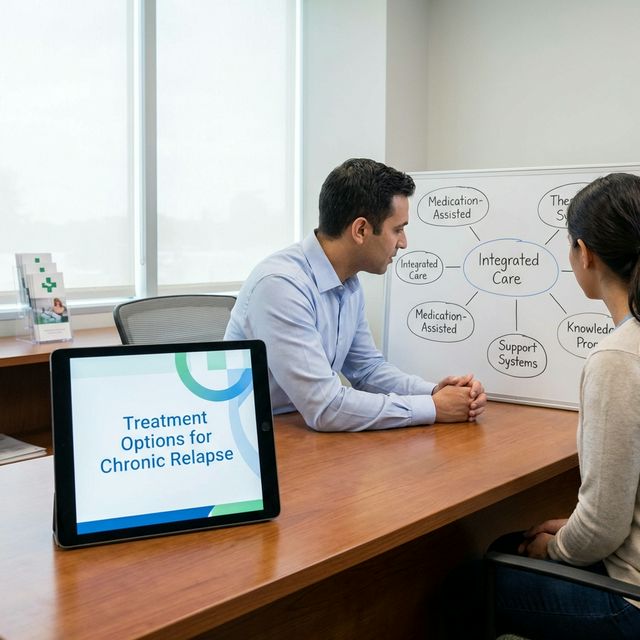
The solution is not simply avoiding all medications but rather implementing comprehensive multimodal approaches ensuring effective pain relief without relapse risk. Physical therapy addressing functional limitations, behavioral pain management, appropriately selected non-opioid medications, and interventional procedures provide effective pain relief when integrated strategically.
Never attempt to self-manage pain with substances. Work with pain management specialists experienced in addiction medicine who understand both pain management and recovery support.
Multimodal Pain Management Framework
Effective pain management in recovery integrates multiple complementary approaches. Physical rehabilitation addressing deconditioning and weakness improves function and reduces pain. Exercise-based pain management supports both pain reduction and overall health. Psychological pain management including cognitive-behavioral therapy for pain and mindfulness meditation reduces pain perception. Selective non-opioid medications target specific pain types. Interventional procedures directly address pain sources.
Trust SoCal addresses pain management as part of comprehensive recovery support, working collaboratively with pain specialists, primary care providers, and behavioral health professionals to ensure integrated, evidence-based pain management.
Multimodal pain management produces superior outcomes to any single approach. Work with your treatment team to develop a comprehensive plan addressing pain from multiple angles.

Rachel Handa, Clinical Director
Clinical Director & Therapist