Key Takeaways
- Columbus hosts multiple treatment providers with 30-90 day wait times for admission
- Outpatient treatment provides effective care for motivated individuals with strong support systems
- Residential treatment capacity insufficient relative to demand requiring proactive treatment planning
- California intensive programs bridge waiting periods and provide specialized care unavailable locally
- Trust SoCal coordinates complete care returning patients to Columbus community support infrastructure
Columbus Substance Abuse Treatment Landscape
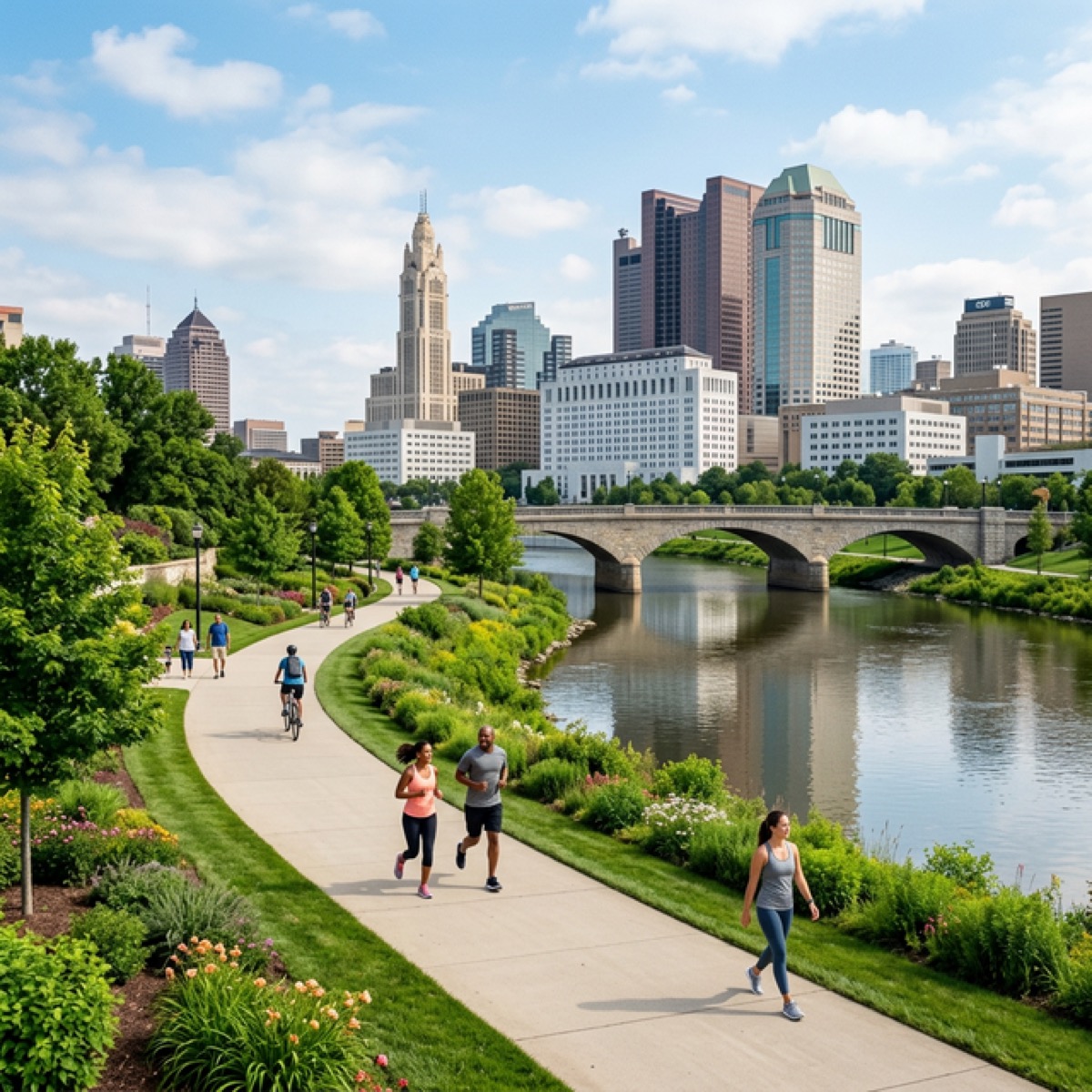
Columbus, Ohio's capital, hosts Ohio State University and multiple hospital systems providing substance abuse treatment. The city offers more addiction treatment options than rural Ohio regions, yet demand for immediate admission frequently exceeds available residential beds. Columbus residents access treatment through Ohio Department of Mental Health and Addiction Services, private addiction practices, hospital-based programs, and federally-qualified health centers.
Columbus benefits from Ohio State University's addiction medicine research and training. University hospitals provide comprehensive addiction assessment, detoxification, medication-assisted treatment, and psychiatric care. However, treatment access remains challenging with wait times often exceeding 30-60 days for residential beds.
Columbus offers quality treatment options with notable wait times. Strategic treatment planning and intensive out-of-state programs optimize recovery outcomes.
Addiction Types and Prevalence in Columbus
Columbus substance abuse patterns reflect broader Ohio trends with opioid, methamphetamine, cocaine, and alcohol addiction prevalent. Fentanyl contamination of heroin and illicit drug supply creates constant overdose danger. Methamphetamine production in rural Ohio increases meth availability and potency. Polysubstance addiction involving combinations of opioids, stimulants, and alcohol creates complex clinical presentations requiring specialized treatment.
Columbus's young adult population, including Ohio State University students and young professionals, faces significant substance abuse challenges including alcohol misuse, cannabis addiction, stimulant abuse, and opioid use. The city's nightlife culture and availability of controlled substances contribute to experimentation and addiction development in younger demographics.
Major Addiction Types Affecting Columbus
Understanding substance-specific addiction patterns helps treatment providers address Columbus's diverse addiction landscape.
- Opioid addiction (heroin, fentanyl, prescription painkillers) — most deadly addiction type in Columbus
- Methamphetamine addiction — rising prevalence with severe psychiatric effects
- Cocaine and crack cocaine addiction — stimulant addiction creating paranoia and aggression
- Alcohol addiction — prevalent across demographics with significant physical health consequences
- Polysubstance addiction — mixing opioids, stimulants, alcohol requiring comprehensive treatment approach
Columbus Outpatient and Intensive Programs
Columbus treatment ranges from intensive outpatient programs meeting 3-5 days weekly to residential treatment providing 24/7 supervised care. Intensive outpatient programs suit motivated individuals with stable housing and strong support systems. Residential treatment suits individuals with acute safety risks, homelessness, or severe dual diagnosis requiring intensive psychiatric monitoring.
Columbus Community Mental Health Center provides publicly-funded substance abuse treatment regardless of insurance status. Franklin County Alcohol and Drug Addiction Services coordinates public funding and treatment access. Private programs including Marty Mann Clinic and others offer evidence-based addiction treatment. Ohio State University hospitals provide medical detoxification and psychiatric intervention for complex cases.
Columbus treatment matching depends on individual risk factors and support systems. Proper assessment determines optimal program intensity and modality.
California Intensive Treatment Bridge for Columbus Residents
Columbus residents facing 30-90 day wait times for residential treatment frequently benefit from intensive treatment in California before returning to Columbus for ongoing recovery support. California programs provide immediate admission, comprehensive 30-90 day residential treatment, and family involvement options. Geographic removal from Columbus social environment and drug-using networks provides psychological reset supporting long-term recovery foundation.
Trust SoCal in Orange County, California, coordinates comprehensive addiction treatment for Columbus residents. Our program addresses opioid, stimulant, and polysubstance addiction alongside trauma, depression, anxiety, and other co-occurring conditions. Upon return to Columbus, we ensure transition to Columbus treatment providers, peer recovery support groups, employment assistance, and family reintegration. Call (949) 280-8360 to discuss admission and insurance verification for Columbus residents.
Traveling to California for immediate intensive treatment bridges waiting periods. Return to Columbus with comprehensive aftercare coordination achieves sustainable recovery.

Trust SoCal Editorial Team, Clinical Review Board
Editorial & Clinical Review