
Key Takeaways
- Substance abuse depletes essential nutrients; targeted nutrition education helps clients rebuild physical health systematically.
- Learning to cook provides a practical life skill that supports independence and healthy routine after treatment.
- The process of preparing a meal engages focus, creativity, and fine motor skills, serving as a natural mindfulness exercise.
- Shared meals foster social connection and community, countering the isolation of addiction.
- Stable blood sugar through balanced nutrition reduces mood swings and cravings that can trigger relapse.
Why Nutrition Education Belongs in Addiction Treatment
Substance abuse takes a devastating toll on the body's nutritional status. Alcohol depletes B vitamins and damages the gut lining. Stimulants suppress appetite, leading to severe caloric and nutrient deficits. Opioids slow digestion and disrupt metabolic function. By the time most clients enter treatment, they are significantly malnourished.
Nutritional rehabilitation is not a luxury in addiction treatment; it is a clinical necessity. The brain requires adequate amino acids, vitamins, and minerals to produce the neurotransmitters needed for stable mood, clear thinking, and emotional regulation. Without proper nutrition, the neurological repair that supports lasting sobriety is severely compromised.
At Trust SoCal in Fountain Valley, nutrition education and cooking classes are integrated into our treatment curriculum because we recognize that feeding the body well is inseparable from healing the mind. Clients learn not only what to eat but how to prepare healthy meals they will continue making long after treatment ends.
Research from the Journal of the Academy of Nutrition and Dietetics found that nutrition intervention during addiction treatment improved treatment retention rates by 33 percent and reduced relapse rates at six months by 28 percent.
How Cooking Classes Support the Recovery Process
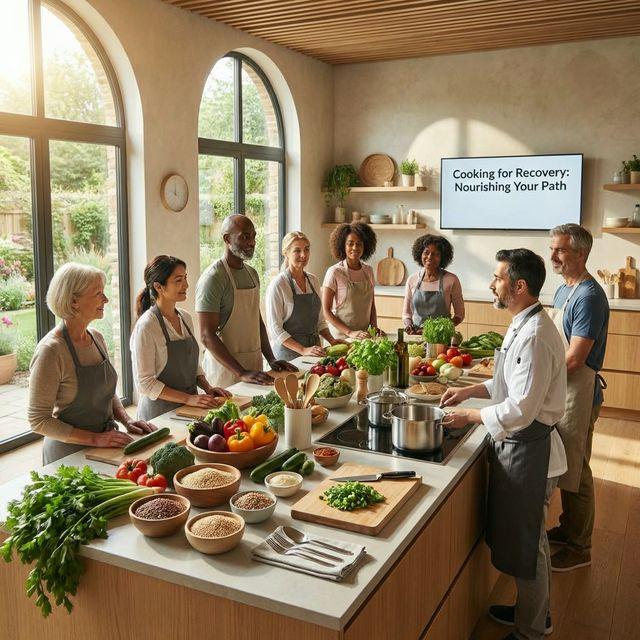
Cooking is a multisensory, hands-on activity that engages the mind and body simultaneously. Following a recipe requires sequencing, measurement, timing, and attention to detail. These cognitive demands occupy mental bandwidth that might otherwise be consumed by cravings or rumination.
The creative aspect of cooking allows for self-expression and experimentation in a low-stakes environment. Trying a new spice blend or modifying a recipe builds confidence in decision-making and risk-taking, skills that are often atrophied by the rigid patterns of addiction.
Mindfulness in the Kitchen
Chopping vegetables, stirring a simmering sauce, and kneading dough are inherently meditative activities. The repetitive motions, combined with attention to textures, aromas, and sounds, create a naturally mindful experience. Many clients who resist formal meditation find that cooking provides an accessible entry point to present-moment awareness.
This kitchen-based mindfulness carries benefits beyond the cooking session. Clients who develop mindful eating habits report greater satisfaction from meals, better portion awareness, and reduced emotional eating, all of which support overall recovery wellness.
Building Confidence and Independence
Many individuals entering treatment lack basic cooking skills. Years of active addiction may have meant eating fast food, skipping meals entirely, or relying on others for sustenance. Learning to prepare a balanced meal is an empowering step toward independence.
The progression from struggling with basic knife skills to preparing a complete dinner for peers mirrors the broader recovery trajectory. Each small mastery builds self-efficacy and reinforces the belief that growth is possible in all areas of life.
Key Nutrients for Addiction Recovery
Understanding which nutrients support neurological repair and overall healing empowers clients to make informed food choices. While supplementation may be necessary in early recovery under medical supervision, whole food sources are the foundation of lasting nutritional health.
The following nutrients are particularly important for individuals recovering from substance use disorders and are emphasized in Trust SoCal's nutrition programming.
- B vitamins (especially B1, B6, B12, and folate): depleted by alcohol use, essential for nerve function and energy production
- Omega-3 fatty acids: reduce inflammation and support brain cell membrane repair, found in fatty fish, walnuts, and flaxseed
- Amino acids (tyrosine, tryptophan): precursors to dopamine and serotonin, found in lean proteins, eggs, and legumes
- Magnesium: supports sleep, reduces anxiety, and aids muscle recovery, found in dark leafy greens, nuts, and seeds
- Zinc: supports immune function and gut health damaged by substance abuse, found in shellfish, meat, and pumpkin seeds
- Vitamin D: supports mood regulation and bone health, obtained through sunlight and fortified foods
Meal Planning as a Recovery Life Skill
Meal planning is a practical skill that extends far beyond nutrition. It involves budgeting, time management, decision-making, and follow-through, all competencies that support a structured recovery lifestyle.
Clients at Trust SoCal learn to plan a week of balanced meals, create a grocery list, shop on a budget, and batch-cook meals for efficiency. These practical sessions prepare clients for the reality of feeding themselves well after treatment, when the structure of a treatment center's meal program is no longer available.
Establishing regular meal times is itself a form of recovery architecture. Eating at consistent intervals stabilizes blood sugar, which directly affects mood, energy, and craving intensity. Clients who leave treatment with a meal planning habit have one more structural support in their daily routine.
Start with planning just three dinners per week. Prepare a grocery list on Sunday, shop that day, and batch-prep ingredients. This small habit creates massive downstream benefits for nutrition, budget, and recovery structure.
The Social Power of Shared Meals in Recovery
Eating together is one of humanity's oldest bonding rituals, and its therapeutic power in recovery should not be underestimated. Shared meals create natural opportunities for conversation, laughter, and connection. They establish a rhythm of togetherness that counters the isolation of addiction.
In treatment settings, communal cooking and dining sessions build camaraderie and cooperation. Clients take turns preparing meals, share cultural recipes, and learn from each other's culinary traditions. These shared experiences create bonds that often extend well into aftercare.
After treatment, hosting sober dinners or participating in recovery potlucks provides an alternative social activity that does not center on alcohol or drugs. Many Orange County recovery communities organize regular shared meals as part of their sober social programming.

Madeline Villarreal, Counselor
Counselor