Key Takeaways
- Alternative therapies including outdoor recreation, mindfulness, and equine therapy complement but do not replace evidence-based addiction treatment.
- Nevada's desert landscape provides unique opportunities for nature-based therapeutic interventions during addiction recovery.
- Holistic approaches addressing physical health, mental wellness, spiritual exploration, and community connection support sustainable recovery.
- The outdoor environment of the Nevada desert can either support or undermine recovery depending on how it is incorporated into treatment planning.
- Trust SoCal integrates evidence-based treatment with supportive holistic and alternative approaches for comprehensive care.
Complementary and Alternative Approaches to Addiction Recovery
While medication-assisted treatment, cognitive-behavioral therapy, and other evidence-based approaches form the foundation of effective addiction treatment, many Nevada residents benefit from complementary alternative therapies integrated within comprehensive treatment plans. The distinction between evidence-based treatment and complementary alternative medicine is important: alternative approaches supplement but do not replace clinical treatment.
The Nevada desert environment provides unique opportunities for nature-based therapeutic interventions. Outdoor recreation, mindfulness practices in natural settings, equine therapy, and adventure-based experiences can all support the psychological and emotional dimensions of recovery when integrated thoughtfully within a comprehensive treatment program.
For Nevada residents, the desert landscape that is often associated with addiction and excess can be reclaimed as a setting for healing and recovery. The challenge is ensuring that alternative approaches are selected thoughtfully and integrated with evidence-based treatment rather than substituted for it.
Alternative therapies can complement evidence-based addiction treatment but cannot replace it. Nevada treatment programs that integrate holistic approaches with clinical care provide comprehensive recovery support. Call Trust SoCal at (949) 280-8360 to discuss integrated treatment approaches.
Nature-Based Therapy and the Nevada Desert Environment
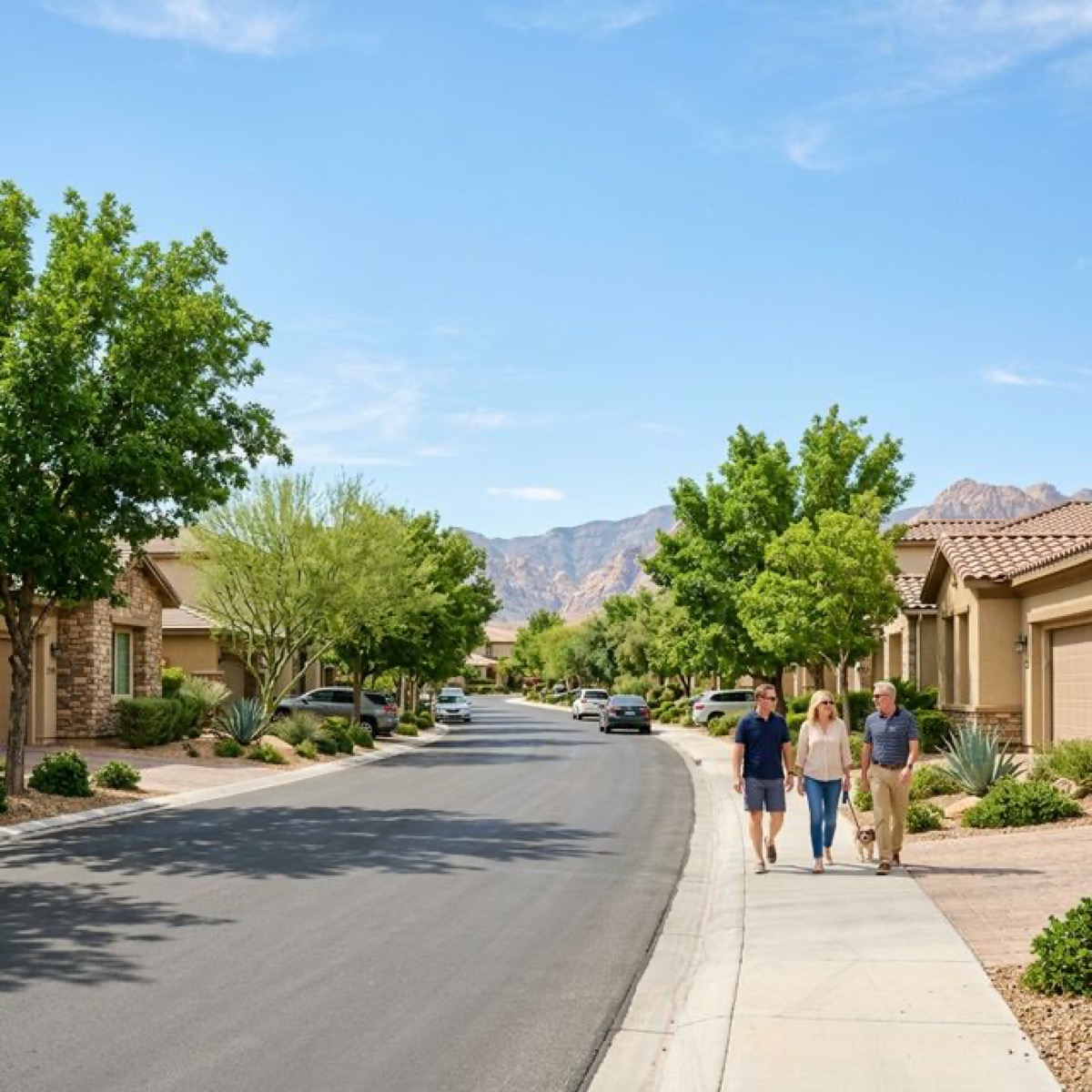
The Nevada desert, despite associations with excess and addiction, offers therapeutic potential for recovery. The vast landscapes, clear skies, silence, and natural beauty of the Mojave and Great Basin deserts can provide a restorative environment for individuals recovering from substance abuse.
Nature-based therapy includes practices such as wilderness therapy (structured outdoor programs in natural settings), hiking and trekking as therapeutic practices, outdoor mindfulness and meditation, and simply spending time in natural environments. Research indicates that exposure to natural settings reduces stress, improves mood, enhances cognitive function, and supports psychological healing.
For Nevada residents, incorporating time in the desert during treatment can help rebuild the association with the state's landscape. Rather than the desert being only connected to casinos and nightlife, it becomes associated with healing, beauty, reflection, and personal growth.
Evidence Supporting Nature-Based Therapy in Recovery
Scientific research supports the therapeutic benefits of nature exposure during addiction recovery.
- Reduces stress and anxiety through cortisol regulation and parasympathetic nervous system activation
- Improves mood and reduces depression through serotonin enhancement and exposure to natural light
- Enhances self-efficacy and confidence through achievement-oriented activities
- Promotes reflection, meaning-making, and spiritual exploration
- Builds connection to life force and purpose beyond substance use
- Provides alternatives to substance-based stimulation and pleasure-seeking
Types of Nature-Based Therapeutic Approaches
Multiple nature-based therapeutic modalities can complement addiction treatment.
- Wilderness therapy programs including structured outdoor expeditions and camping
- Adventure-based challenge courses and outdoor skill-building activities
- Hiking, trekking, and wilderness walking as reflective practices
- Outdoor mindfulness, meditation, and yoga in natural settings
- Horticultural therapy and connection with plants and growing things
- Desert or natural environment-based life coaching
Holistic Approaches to Addiction Recovery: Mind, Body, Spirit
Holistic addiction treatment addresses the whole person—mental, physical, emotional, and spiritual dimensions—rather than focusing narrowly on substance use cessation. This comprehensive approach recognizes that addiction involves disruption across all domains of human functioning and that recovery requires healing across all dimensions.
Physical health restoration including nutrition, exercise, sleep improvement, and detoxification from the effects of substance abuse is a foundational element of holistic recovery. For many people, rebuilding physical health and experiencing the benefits of a healthy body supports motivation and optimism for sustained recovery.
Emotional healing, spiritual exploration, and meaning-making are also central to holistic approaches. Many people in recovery find that addressing the emotional pain, trauma, and spiritual emptiness that underlie their addiction is essential to building a fulfilling sober life.
Physical Health and Wellness Components
Holistic treatment includes practical components supporting physical health restoration.
- Nutrition counseling and support for rebuilding physical health
- Exercise and fitness programs supporting mood, energy, and self-efficacy
- Sleep improvement and healthy sleep hygiene practices
- Yoga and mind-body practices supporting integration and healing
- Medical care addressing health consequences of substance abuse
- Pain management and addressing underlying health issues
Mental and Emotional Healing
Complementary approaches support the emotional and psychological healing dimensions of recovery.
- Art and expressive therapies providing non-verbal processing of emotion and trauma
- Music and sound therapy supporting emotional expression and healing
- Journaling, reflective writing, and narrative approaches to meaning-making
- Meditation and mindfulness practices supporting emotional regulation
- Psychoeducational approaches building understanding of trauma and addiction
Spiritual Exploration and Meaning-Making
Spiritual elements of recovery are important for many people and can be addressed in secular and inclusive ways.
- Exploration of personal values, purpose, and meaning in sobriety
- Secular mindfulness and meditation practices supporting inner peace
- Connection to community, service, and contribution to others
- Exploration of faith traditions for those with religious identities
- Nature-based spirituality and connection to forces larger than self
Equine Therapy and Animal-Assisted Interventions in Nevada
Animal-assisted therapy, particularly equine therapy working with horses, has emerged as an effective complementary intervention for addiction recovery. The experiential nature of working with horses—requiring presence, communication, boundary-setting, and emotional attunement—provides powerful metaphors and learning for people in recovery.
Horses are uniquely suited to therapeutic work because they are highly attuned to human emotional states and respond authentically to honesty and presence. Interactions with horses can provide immediate feedback about emotional authenticity, help individuals practice boundary-setting and communication, and build confidence and self-efficacy.
Several treatment programs in Nevada and California incorporate equine therapy as part of comprehensive addiction treatment. The experience of connecting with and caring for horses can be transformative for individuals in recovery.
Integrating Alternative Approaches Within Evidence-Based Treatment
The key to effective integration of alternative and holistic approaches is ensuring that they complement rather than replace evidence-based clinical treatment. The most effective addiction recovery programs combine rigorous clinical care with thoughtfully selected complementary approaches.
Treatment programs should be transparent about which approaches have strong evidence support and which are complementary. Clients should understand that clinical treatment—therapy, medication-assisted treatment, psychiatric care—forms the foundation, with alternative approaches adding supportive benefits.
Trust SoCal integrates evidence-based addiction treatment with complementary holistic approaches including meditation, yoga, outdoor activities, nutritional support, and connection to nature. This integrated approach provides comprehensive care that addresses the person's whole experience of recovery.
Trust SoCal combines rigorous evidence-based addiction treatment with holistic and alternative approaches supporting comprehensive healing. Our programs integrate clinical care with mind-body-spirit wellness. Call (949) 280-8360 to learn more about our integrated approach.
Choosing Alternative and Holistic Treatment: A Consumer Guide
For Nevada residents considering alternative or holistic addiction treatment, several questions can guide decision-making: Does the program maintain evidence-based clinical care as the foundation? Are practitioners qualified and credentialed? Are claims about alternative approaches supported by evidence or marketing?
Be cautious of programs that make unrealistic claims about alternative approaches or suggest that alternative therapies can replace clinical treatment. The most effective programs acknowledge that addiction is a complex medical and psychological condition requiring comprehensive, evidence-based treatment as the foundation.
Trust SoCal can discuss which complementary approaches might best support your individual recovery. Call (949) 280-8360 for a consultation about integrated treatment incorporating both evidence-based and holistic approaches.

Kristin Stevens, LCSW
Licensed Clinical Social Worker