
Key Takeaways
- Addiction is a family disease that disrupts communication, trust, and role functioning throughout the household.
- Family therapy approaches including CRAFT, BSFT, and multidimensional family therapy are evidence-based treatments for addiction.
- Setting healthy boundaries is not abandonment; it is an essential act of love that supports recovery.
- Al-Anon and Nar-Anon provide free peer support specifically for families affected by addiction.
- Trust SoCal incorporates family programming into treatment and offers family therapy sessions for loved ones of clients.
How Addiction Affects Families in Menifee
Menifee, one of Riverside County's fastest-growing cities with a population that has surged past 100,000 residents, is a family-oriented community where the impact of addiction ripples through households, schools, and neighborhoods. The tight-knit suburban neighborhoods and family-centered culture that define Menifee also mean that when addiction enters a household, the effects are felt deeply and broadly.
Addiction alters the family system in predictable ways that therapists have observed across cultures and socioeconomic backgrounds. Family members unconsciously adopt roles that maintain a dysfunctional equilibrium: the enabler who covers for the addicted person, the hero child who overachieves to compensate, the scapegoat who acts out to divert attention, and the lost child who withdraws to avoid conflict. These roles develop as survival mechanisms but ultimately perpetuate the addiction cycle.
The emotional toll on family members is substantial. Spouses experience chronic anxiety, depression, and erosion of trust. Children grow up in unpredictable environments that affect their emotional development and may predispose them to their own substance use issues. Parents of adult children with addiction often cycle between enabling behaviors and desperate attempts at control. Understanding these dynamics is the first step toward family healing.
Research shows that family involvement in addiction treatment significantly improves outcomes. Individuals whose families participate in therapy are more likely to complete treatment and maintain long-term sobriety.
Evidence-Based Family Therapy Approaches
Several family therapy approaches have strong research support for treating addiction within the family context. These approaches differ in their techniques but share the common goal of improving family functioning while supporting the individual's recovery.
Community Reinforcement and Family Training (CRAFT)
CRAFT is specifically designed for family members whose loved ones are not yet in treatment. The approach teaches family members to reduce enabling behaviors, improve their own well-being, and use positive reinforcement strategies to motivate their loved one toward treatment. Research shows that CRAFT is significantly more effective than traditional interventions or Al-Anon alone in getting resistant individuals into treatment.
CRAFT therapists work with family members to identify patterns of interaction that inadvertently support substance use and replace them with responses that reward sobriety and encourage treatment-seeking behavior. The approach is compassionate and practical, providing families with concrete tools they can implement immediately.
Behavioral Couples and Family Therapy
Behavioral couples therapy addresses the relationship dynamics that contribute to and are affected by addiction. The approach combines substance-specific interventions with relationship skills training including communication, conflict resolution, and shared positive activities. When both partners are committed to the process, behavioral couples therapy can simultaneously improve the relationship and support recovery.
For families with adolescents struggling with substance use, multidimensional family therapy addresses the individual, family, peer, and community factors that influence adolescent drug use. This approach is particularly relevant in communities like Menifee where adolescent substance experimentation can quickly escalate.
Setting Healthy Boundaries
One of the most challenging aspects of loving someone with addiction is learning to set and maintain healthy boundaries. Boundaries are not punishments; they are limits that protect the well-being of family members while allowing the addicted person to experience the natural consequences of their choices. Without consequences, there is little motivation for change.
Healthy boundaries might include refusing to provide money that may be used for substances, not lying to employers or other family members to cover for the addicted person, declining to engage in arguments when the person is intoxicated, and clearly communicating what behavior is acceptable in the household. These boundaries must be communicated calmly, consistently, and followed through upon.
A family therapist can help families identify where boundaries are needed, develop the language to communicate them effectively, and build the resolve to maintain them even when the addicted person pushes back. This process is often painful but is essential for both the family's well-being and the individual's motivation to seek help.
- Identify specific behaviors that you will no longer tolerate or enable
- Communicate boundaries clearly, calmly, and without ultimatums you are unwilling to enforce
- Follow through consistently when boundaries are violated
- Seek support from a therapist or support group to maintain your resolve
- Remember that setting boundaries is an act of love, not abandonment
Support Groups for Families in the Menifee Area
Al-Anon and Nar-Anon are 12-step programs specifically for family members and friends of individuals with addiction. These free, peer-led groups provide a safe space to share experiences, receive support from others who understand the unique challenges of loving someone with addiction, and learn practical strategies for taking care of yourself while your loved one is struggling.
Several Al-Anon and Nar-Anon meetings are held weekly in the Menifee-Murrieta-Temecula area, with additional meetings available in Riverside, Lake Elsinore, and Perris. Online meetings provide additional options for those who cannot attend in person or prefer the privacy of virtual participation.
Attending a family support group is not a sign of weakness or failure. It is a proactive step toward your own healing that simultaneously creates better conditions for your loved one's recovery. Many family members report that their own participation in Al-Anon or Nar-Anon was a turning point in both their personal well-being and their loved one's willingness to seek help.
Family Programming at Trust SoCal
Trust SoCal in Fountain Valley integrates family programming into its treatment model, recognizing that sustainable recovery requires healing within the family system as well as the individual. Family therapy sessions, educational workshops, and communication skills groups are available to the loved ones of clients in residential and outpatient treatment.
The family program at Trust SoCal is led by licensed family therapists who specialize in addiction's impact on relationship systems. Sessions are tailored to each family's unique dynamics and needs, addressing topics such as codependency, boundary setting, rebuilding trust, understanding relapse, and supporting recovery without enabling substance use.
Menifee residents whose loved ones are struggling with addiction can contact Trust SoCal at (949) 280-8360 to learn about treatment options and how their family can participate in the recovery process. The admissions team provides compassionate, confidential guidance for families navigating one of the most difficult experiences they will ever face.
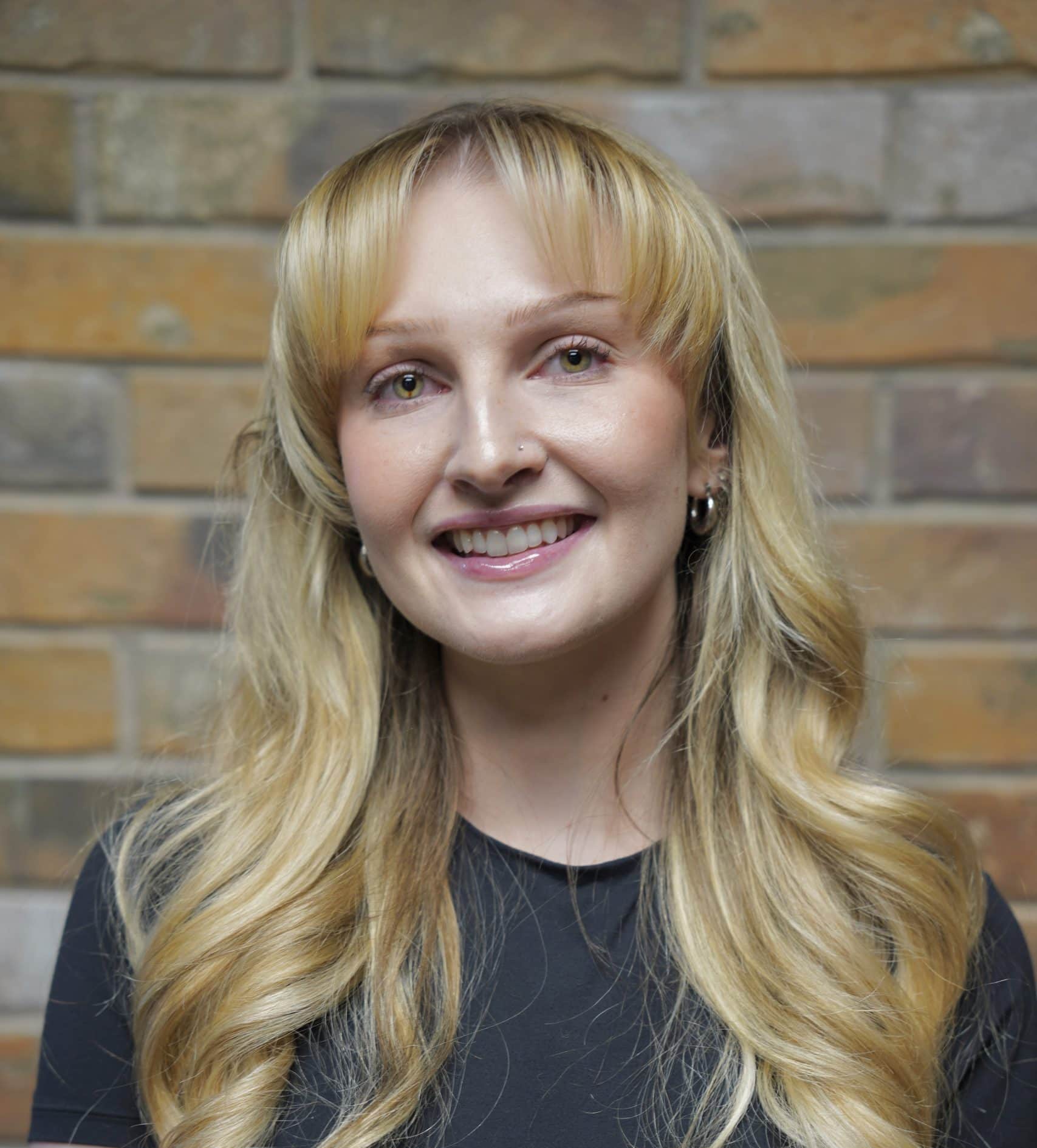
Amy Pride, MFTT
Marriage & Family Therapy Trainee