
Key Takeaways
- California offers state-funded treatment programs through county behavioral health departments that provide free or low-cost addiction treatment to uninsured residents.
- Many private treatment centers offer sliding scale fees, payment plans, and scholarship programs to make care accessible regardless of insurance status.
- Applying for Medi-Cal may provide immediate coverage for addiction treatment, as California has no open enrollment period for Medicaid and applications can be processed quickly.
- SAMHSA's national helpline at 1-800-662-4357 provides free referrals to local treatment programs, including options for uninsured individuals.
- Healthcare financing companies offer medical loans specifically for addiction treatment, allowing you to spread the cost over months or years.
How to Pay for Rehab Without Insurance Coverage
The cost of addiction treatment can feel overwhelming, especially when you do not have insurance. But not having coverage should never prevent you from seeking help. Addiction is a progressive disease that worsens over time, and the financial and personal costs of continued substance abuse far exceed the cost of treatment. Fortunately, multiple pathways exist for paying for rehab without insurance in California.
The national average cost of residential addiction treatment ranges from $15,000 to $50,000 for a 30-day program, depending on the facility, location, and level of care. Outpatient programs are considerably less expensive, typically ranging from $3,000 to $10,000 for a comparable treatment period. In Southern California, costs may be at the higher end of these ranges due to the regional cost of living.
Despite these figures, treatment is more accessible than most people realize. Between state-funded programs, financial assistance options, and creative financing strategies, there are viable pathways to treatment for virtually every financial situation. The key is knowing where to look and being willing to explore multiple options.
The cost of addiction treatment is always less than the cost of addiction itself. Medical emergencies, lost employment, legal consequences, and destroyed relationships create a financial toll that far exceeds the investment in recovery.
— National Institute on Drug Abuse
State-Funded and County Treatment Programs
California operates an extensive network of publicly funded addiction treatment programs available to uninsured residents. These programs are administered through county behavioral health departments and funded by a combination of state, federal, and local dollars. While these programs may not offer the amenities of private facilities, they provide evidence-based clinical care that can be equally effective.
In Orange County, the Health Care Agency operates substance abuse treatment services for uninsured and underinsured residents. Programs include outpatient counseling, intensive outpatient treatment, residential programs, and detoxification services. Eligibility is typically based on residency, income, and clinical need rather than insurance status.
SAMHSA-Funded Treatment Programs
The Substance Abuse and Mental Health Services Administration provides federal grants to treatment programs across the country that offer free or reduced-cost services. SAMHSA's treatment locator at findtreatment.gov allows you to search for publicly funded programs by zip code. Many programs specifically serve uninsured individuals and offer a full continuum of care from detox through outpatient aftercare.
SAMHSA also operates a free national helpline at 1-800-662-4357 that provides referrals to local treatment programs, support groups, and community organizations. The helpline is available 24 hours a day, seven days a week, and counselors can help you identify low-cost or free treatment options near you in Southern California.
California Department of Health Care Services Programs
The California Department of Health Care Services oversees the state's substance use disorder treatment system and funds programs for individuals who are not eligible for Medi-Cal. County alcohol and drug program administrators coordinate local treatment services and can connect you with available programs in your area.
Some California counties, including Orange County, maintain their own general fund programs that serve residents regardless of insurance status. These programs may have wait lists, particularly for residential treatment, but outpatient services are often available more quickly. Contacting your county's behavioral health intake line is the first step toward accessing these resources.
Applying for Medi-Cal Before or During Treatment
If you are uninsured and meet income eligibility requirements, applying for Medi-Cal may be your best option for accessing comprehensive addiction treatment at no cost. California has no open enrollment period for Medi-Cal, meaning you can apply at any time. Many treatment centers, including Trust SoCal in Fountain Valley, can help you begin the application process during the admissions phase.
Medi-Cal eligibility is primarily based on income. Single adults earning up to approximately $20,783 per year generally qualify. The application process can be completed online, by phone, or in person at your local county social services office. In many cases, coverage can be activated within days, allowing you to begin treatment almost immediately.
Importantly, Medi-Cal can be applied retroactively up to three months before your application date. This means that if you enter treatment as an uninsured patient and subsequently qualify for Medi-Cal, the program may cover costs incurred during that retroactive period. This provision can significantly reduce your financial exposure for treatment already received.
Even if you believe you may not qualify for Medi-Cal, apply anyway. Many people overestimate their income or do not account for deductions that reduce their modified adjusted gross income. The application is free and the potential savings are enormous.
Treatment Center Financial Assistance Programs
Many private treatment centers offer financial assistance to individuals who cannot afford the full cost of care. These programs take various forms and can significantly reduce the financial barrier to treatment. Asking about financial assistance should be one of the first conversations you have with any treatment center's admissions team.
Sliding Scale Fees
Sliding scale fee structures adjust the cost of treatment based on your ability to pay. Treatment centers that offer sliding scale programs evaluate your income, assets, family size, and financial obligations to determine a reduced fee that is proportional to your financial capacity. This approach ensures that treatment is accessible without creating an unsustainable financial burden.
Some treatment centers in Orange County and throughout Southern California operate on a sliding scale basis as part of their organizational mission. Nonprofit treatment organizations are particularly likely to offer this option. When contacting programs, ask directly whether they offer sliding scale fees and what documentation you will need to provide.
Scholarships and Grants
Some treatment centers maintain scholarship funds specifically designated for individuals who cannot afford treatment. These funds may come from charitable donations, foundation grants, or the treatment center's operating budget. Scholarship availability varies widely between facilities and is often limited, so applying early improves your chances.
National organizations such as the SAMHSA grant programs, 10,000 Beds project, and various faith-based charities also provide treatment scholarships. Your local community foundation or United Way chapter may maintain lists of available treatment funding in your area. In Southern California, several organizations specifically fund addiction treatment for Orange County residents.
Payment Plans and Financing
Many treatment centers offer payment plans that allow you to spread the cost of treatment over several months or years. These arrangements may be interest-free or carry a nominal interest rate, making them significantly more affordable than medical credit cards or personal loans. Discuss payment plan options during your initial conversation with the admissions team.
Healthcare financing companies like Prosper Healthcare Lending, United Medical Credit, and CareCredit offer loans specifically designed for medical treatment, including addiction rehabilitation. These loans typically offer competitive interest rates and terms ranging from six months to seven years. Some financing companies specialize exclusively in behavioral health treatment and understand the unique circumstances of individuals seeking addiction care.
Nonprofit and Faith-Based Treatment Programs
Nonprofit and faith-based treatment programs often provide free or very low-cost addiction treatment as part of their charitable mission. The Salvation Army Adult Rehabilitation Centers operate in multiple Southern California locations and offer residential treatment at no cost in exchange for participation in a work therapy program. These programs typically run 90 to 180 days and include counseling, life skills training, and vocational development.
Other faith-based programs, such as those operated by local churches, synagogues, and community organizations, provide support groups, sober living environments, and counseling services at no cost. While these programs may incorporate spiritual elements, many welcome individuals of all faiths or no faith. In Orange County, multiple faith-based organizations operate recovery programs that complement clinical treatment.
It is important to evaluate any free program carefully to ensure it provides evidence-based treatment. While cost-free access is valuable, the quality of care matters significantly for long-term recovery outcomes. Look for programs that employ licensed counselors, use recognized treatment modalities, and have positive reviews from past participants.
Additional Financial Resources
Beyond traditional treatment funding, several additional financial resources can help offset the cost of rehab. Employee assistance programs, personal fundraising, retirement account withdrawals, and community support can all play a role in making treatment financially feasible.
Employee Assistance Programs
If you are employed, your company may offer an Employee Assistance Program that includes confidential referrals for addiction treatment. EAPs typically provide a limited number of free counseling sessions and can connect you with treatment resources covered under your employer's benefits package, even if you have declined health insurance coverage.
Federal law protects employees seeking addiction treatment from discrimination, and your employer cannot fire you solely for seeking help for a substance use disorder. The Family and Medical Leave Act may also entitle you to up to 12 weeks of unpaid, job-protected leave for addiction treatment if you meet eligibility requirements.
Community Fundraising and Support
Online fundraising platforms like GoFundMe have become a common way to raise money for medical treatment, including addiction rehabilitation. While this approach requires a willingness to share your situation publicly, many individuals have successfully funded their treatment through community support. Crafting a compelling, honest narrative about your recovery journey can inspire significant contributions.
Local community organizations, service clubs, and charitable foundations may also provide direct financial assistance for addiction treatment. Rotary clubs, Lions clubs, and similar organizations sometimes maintain health assistance funds. Contacting these groups in your area may uncover funding sources that are not widely publicized in Orange County.
Taking the First Step When You Cannot Afford Treatment
The financial aspects of addiction treatment can feel paralyzing, but remember that help is available regardless of your financial situation. The most important step is reaching out and starting the conversation. Treatment centers like Trust SoCal in Fountain Valley are experienced in helping uninsured individuals find pathways to affordable care.
Start by calling SAMHSA's helpline at 1-800-662-4357 for free referrals. Check your eligibility for Medi-Cal. Contact treatment centers directly and ask about financial assistance programs. The admissions team at Trust SoCal can be reached at (949) 280-8360 and will work with you to explore every available option for funding your recovery in Southern California.
Recovery is an investment in your future that pays dividends for the rest of your life. Every dollar spent on treatment saves an estimated four to seven dollars in reduced drug-related crime, criminal justice costs, and healthcare expenditures. More importantly, treatment saves lives, rebuilds families, and restores hope.
According to the National Institute on Drug Abuse, every dollar invested in addiction treatment yields a return of four to seven dollars in reduced drug-related crime, criminal justice costs, and theft. When healthcare savings are included, total savings exceed costs by a ratio of 12 to 1.
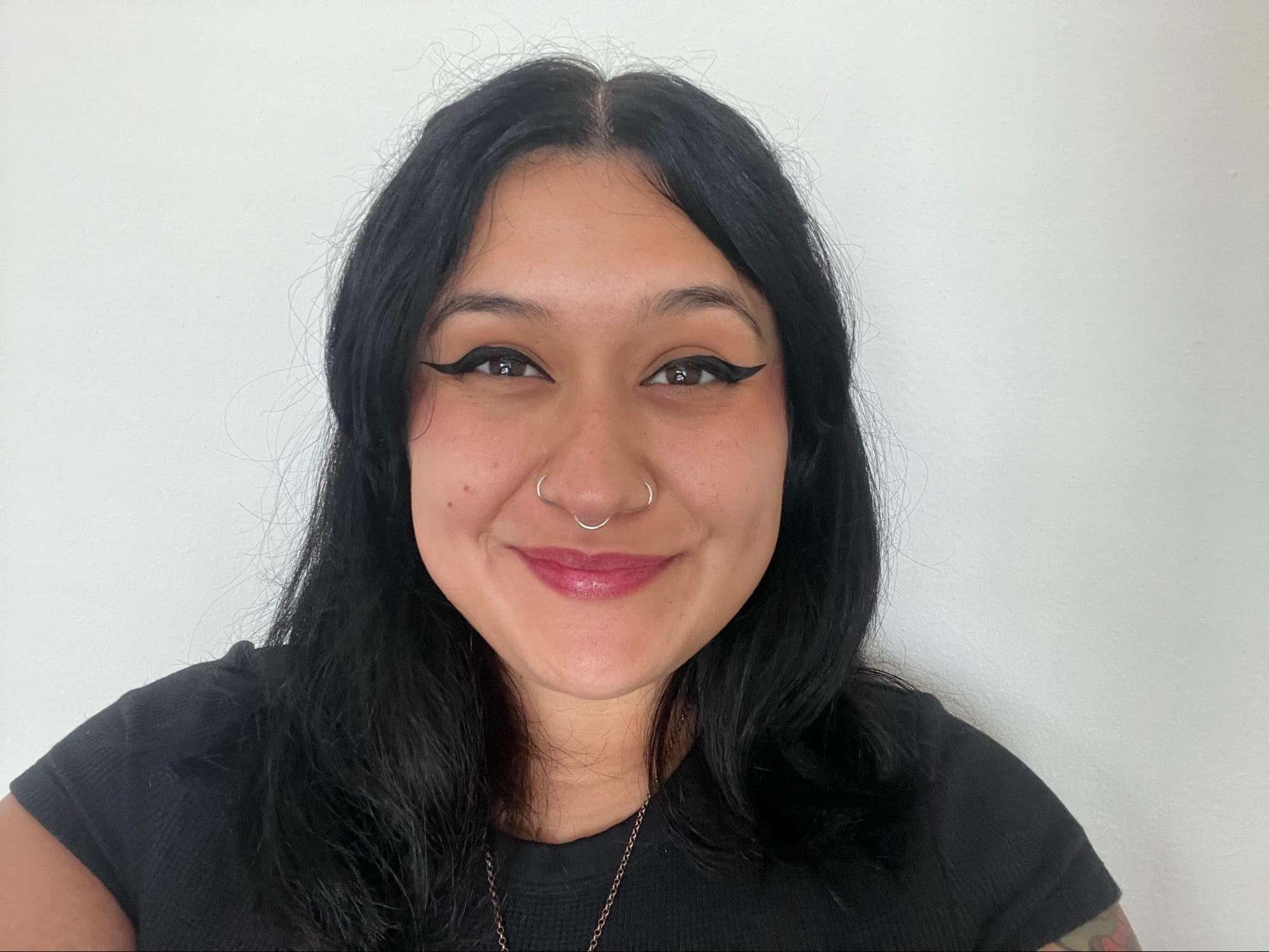
Madeline Villarreal, Counselor
Counselor