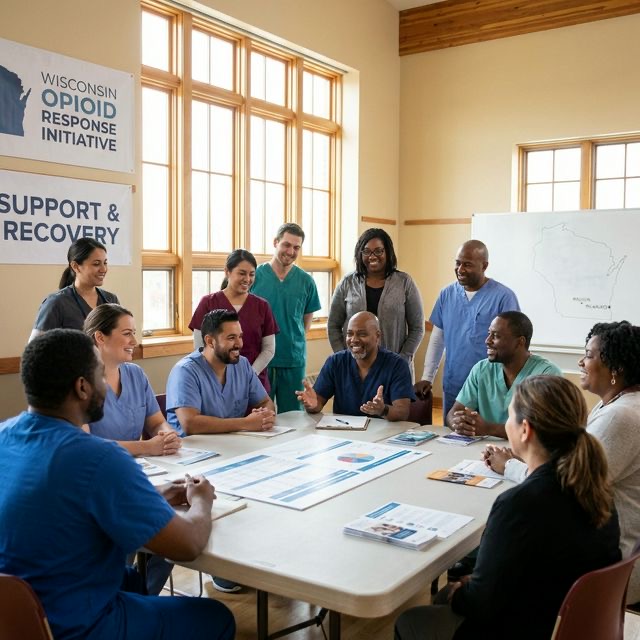
Key Takeaways
- Madison offers peer support groups, community health centers, and hospital-based addiction programs
- Dane County faces increasing substance abuse challenges requiring specialized treatment approaches
- University of Wisconsin community presents unique addiction and recovery dynamics
- Wisconsin Medicaid covers comprehensive addiction treatment for eligible Madison residents
- Intensive California treatment provides accelerated recovery for Madison residents seeking immediate help
Addiction Challenges in Madison
Madison, Wisconsin's capital city and home to the University of Wisconsin, faces unique addiction challenges. The student population experiences alcohol and stimulant abuse at higher rates. Meanwhile, downtown Madison and surrounding Dane County neighborhoods grapple with opioid addiction, methamphetamine, and prescription drug abuse affecting diverse demographics.
Madison's educated, professional population sometimes delays seeking help due to stigma or belief that willpower alone solves addiction. However, addiction is a medical condition requiring professional treatment regardless of intelligence, education, or socioeconomic status.
Addiction affects professors, lawyers, doctors, business owners, and students equally. Professional status doesn't protect against addiction. Seeking treatment demonstrates strength and wisdom, not weakness.
Local Madison Addiction Treatment Options
Madison offers numerous addiction treatment resources. Alcoholics Anonymous, Narcotics Anonymous, and SMART Recovery meetings occur regularly. Community mental health centers, Dane County Public Health, and hospital systems provide counseling and referral services. However, availability and quality vary, and many people encounter wait times or limited programming.
Understanding local options helps identify gaps where specialized outside treatment—like Trust SoCal's intensive California program—provides solutions. Many Madison residents discover that combining brief local peer support with intensive California treatment optimizes recovery.
University of Wisconsin-Specific Resources
UW Madison provides student addiction support through health services, counseling, and peer programs. However, students sometimes hesitate to use university resources due to privacy concerns or fear of academic consequences. External treatment providers offer confidential alternatives.
- University Health Services provides substance abuse assessment and brief intervention
- Student peer support groups offer community without academic stigma
- Employee Assistance Programs (EAP) available through UW employment
- Addiction specialists trained in young adult substance abuse patterns
- Confidential treatment protecting student status and academic record
Dane County Public Health Resources
Dane County Public Health coordinates addiction services, harm reduction programs, and naloxone distribution. The county operates syringe services programs and hosts community education about overdose prevention. These programs serve essential public health functions, though they often have limited treatment capacity.
For individuals seeking comprehensive addiction treatment beyond harm reduction—including medication-assisted therapy, intensive counseling, and trauma healing—specialized treatment centers like Trust SoCal provide more intensive resources.
Harm reduction and treatment serve different purposes. Harm reduction reduces immediate dangers (overdose, infection). Treatment eliminates addiction. Both are valuable; using them together optimizes outcomes.
Why Madison Residents Choose California Treatment
Madison residents seeking rapid recovery often travel to California for intensive addiction treatment. Geographic distance from familiar environments removes triggers and enablers. Specialized clinical programs address trauma, co-occurring mental health disorders, and individual treatment needs comprehensively.
California-based treatment for Madison residents typically lasts 30-90 days intensively, followed by ongoing virtual aftercare supporting the return to Wisconsin. This combination provides both intensive healing and local support continuity.
- Immediate program entry without months of waiting
- Comprehensive trauma-informed care addressing root causes
- Intensive individual, group, and family therapy
- Medication-assisted therapy for opioid or alcohol addiction
- Structured transition planning supporting successful Wisconsin reintegration
Insurance and Affordability for Madison Residents
Wisconsin Medicaid covers addiction treatment. Many Madison residents receive Medicaid through employment, disability, or income-based programs. Private insurance through UW employment or other sources also covers treatment. Trust SoCal works with all major insurance providers.
The cost question shouldn't prevent treatment. Talk to Trust SoCal's financial counselors about your specific situation. Insurance verification is confidential and free. We'll help identify coverage, payment plans, and financial assistance maximizing your access to care.
Call Trust SoCal at (949) 280-8360 for free insurance verification. Our financial team can typically determine your coverage before treatment begins, eliminating billing surprises.
Beginning Your Madison Recovery Journey
Recovery from addiction starts with acknowledgment and professional help. Whether you're a UW student, Madison professional, Dane County resident, or anyone struggling with substance abuse, treatment works. Thousands have overcome addiction and built fulfilling, drug-free lives.
Take action today. Call Trust SoCal at (949) 280-8360 for a free consultation. Our caring team will answer questions, discuss your situation, verify insurance, and help you begin recovery immediately. Your best life begins when you decide to seek help.

Trust SoCal Editorial Team, Clinical Review Board
Editorial & Clinical Review