Key Takeaways
- The Mediterranean diet reduces neuroinflammatory markers (IL-6, TNF-alpha, CRP) by 20-30% within 8-12 weeks, directly addressing the neuroinflammation driving depression and relapse in recovery.
- High olive oil consumption (3-4 tablespoons daily) provides oleocanthal with anti-inflammatory potency comparable to low-dose ibuprofen without gastrointestinal side effects.
- Mediterranean dietary adherence predicts 30-40% lower depression risk across populations, with greater effects in individuals with elevated inflammatory markers common in addiction recovery.
- The diversity of plant foods (30+ species weekly) in Mediterranean eating supports microbiome restoration critical for gut-brain axis recovery.
- Mediterranean diet principles are culturally adaptable and budget-friendly, making them practical for diverse recovery populations including those with limited resources.
Mediterranean Diet Principles and Recovery Application
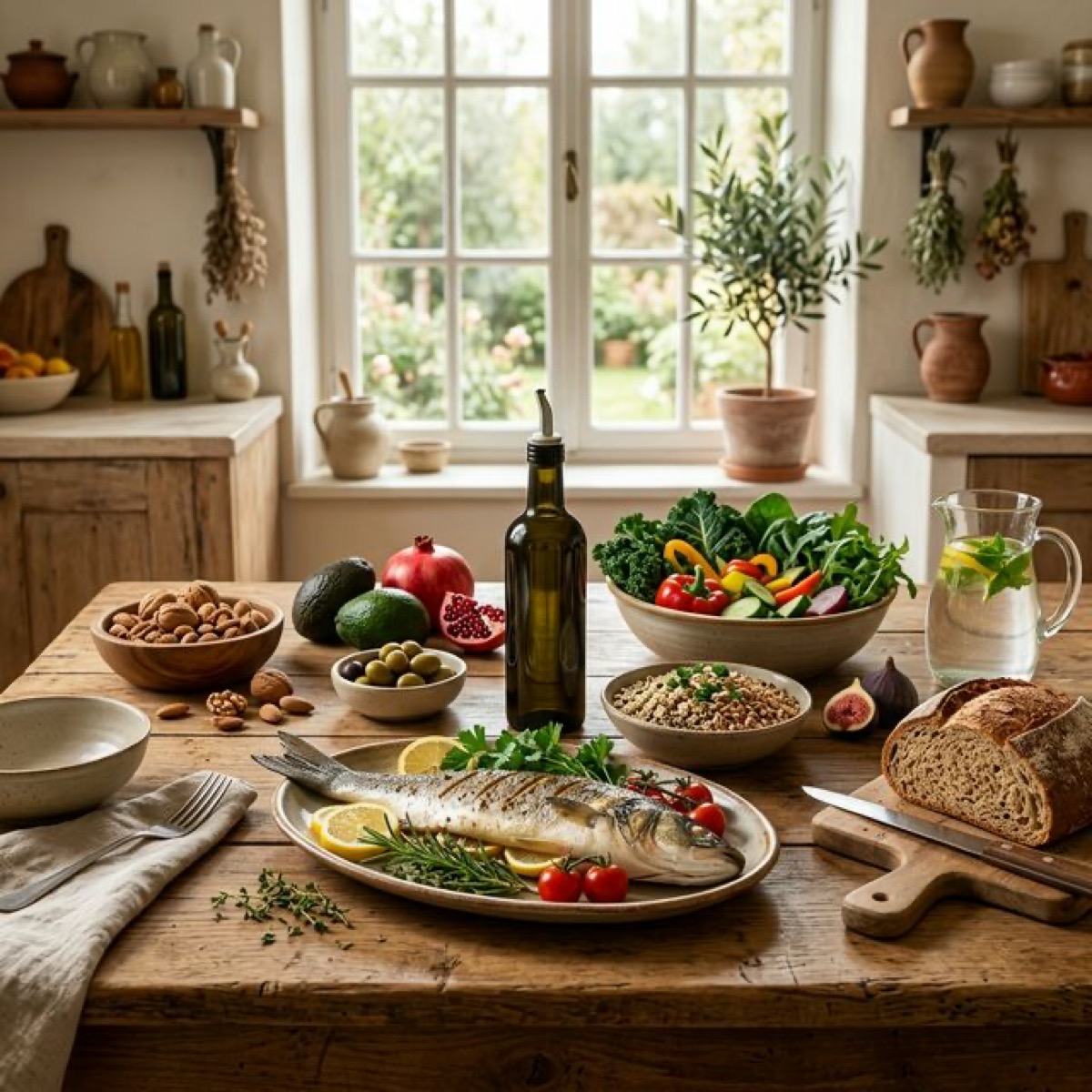
The Mediterranean diet is not a prescribed meal plan but a dietary pattern characterized by abundant plant foods, olive oil as primary fat source, moderate fish and poultry, limited red meat and processed foods, and optional moderate red wine (excluded in addiction recovery). This dietary pattern has accumulated the strongest evidence base of any eating approach for mental health, brain health, and chronic disease prevention. For addiction recovery, the Mediterranean pattern addresses multiple nutritional needs simultaneously: anti-inflammatory nutrients reducing neuroinflammation, diverse fiber supporting microbiome restoration, quality protein providing neurotransmitter precursors, and healthy fats supporting brain cell membrane integrity.
The foundation of Mediterranean eating is plant diversity. Traditional Mediterranean populations consumed 30-40 different plant species weekly through vegetables, fruits, legumes, nuts, seeds, herbs, and spices. This diversity provides an extraordinary range of polyphenols, flavonoids, and fiber types that nourish diverse microbiota populations and provide broad-spectrum antioxidant protection. For individuals whose microbiomes were devastated by chronic substance abuse, this dietary diversity provides the substrates necessary for microbiome restoration.
Importantly, the Mediterranean diet is a pattern of abundance rather than restriction. Instead of eliminating foods, it emphasizes adding nutrient-dense foods. This approach aligns with recovery psychology, where deprivation mindsets trigger resistance and relapse. Adding vegetables, fruits, fish, and olive oil to existing dietary patterns creates gradual nutritional improvement without the restrictive approach that often fails in recovery populations.
The Mediterranean diet has the strongest evidence base of any dietary pattern for mental health improvement. Adherence predicts 30-40% lower depression risk, with greater effects in populations with elevated inflammation—a profile matching most individuals in addiction recovery.
Olive Oil and Brain Health
Extra virgin olive oil (EVOO) serves as the cornerstone fat source in Mediterranean eating and provides unique benefits for brain recovery in addiction. Oleocanthal, a polyphenol compound in EVOO, demonstrates anti-inflammatory activity comparable to low-dose ibuprofen through COX enzyme inhibition. Consuming 3-4 tablespoons of EVOO daily provides meaningful anti-inflammatory effects without the gastrointestinal side effects of chronic NSAID use. For individuals in recovery experiencing persistent neuroinflammation, this represents a food-based anti-inflammatory intervention consumed enjoyably as part of normal eating.
Beyond oleocanthal, EVOO provides monounsaturated oleic acid supporting brain cell membrane fluidity and function. Brain cell membranes composed of healthier fat profiles show improved neurotransmitter receptor function, facilitating the dopamine and serotonin signaling recovery depends upon. EVOO also provides vitamin E and additional polyphenols with antioxidant effects protecting brain tissue from oxidative damage accumulated during substance abuse. The combination of anti-inflammatory, membrane-supporting, and antioxidant effects makes EVOO a genuinely therapeutic food for brain recovery.
Daily Mediterranean Diet Framework for Recovery
Practical daily eating structure based on Mediterranean principles.
- Breakfast: Greek yogurt with berries, nuts, and honey; or eggs with vegetables and whole grain toast with olive oil
- Lunch: Large salad with olive oil dressing, legumes or fish, whole grain bread; or vegetable soup with beans
- Snack: Handful of nuts and dried fruit; or hummus with vegetables; or fresh fruit with cheese
- Dinner: Fish or poultry with roasted vegetables dressed in olive oil; or lentil stew with herbs and whole grains
- Throughout day: 3-4 tablespoons extra virgin olive oil in cooking and dressing, abundant fresh herbs and spices
Fish, Omega-3s, and Neurotransmitter Recovery
Fish consumption two to three times weekly provides the omega-3 fatty acids EPA and DHA critical for brain recovery. EPA (eicosapentaenoic acid) provides primarily anti-inflammatory effects, reducing the neuroinflammatory cytokines perpetuating depression and craving in recovery. DHA (docosahexaenoic acid) constitutes a major structural component of brain cell membranes, and adequate DHA availability supports membrane repair and neurotransmitter receptor function recovery. Together, EPA and DHA address both the inflammatory and structural dimensions of brain damage from substance abuse.
Fatty fish with the highest omega-3 content include salmon, sardines, mackerel, herring, and anchovies. These species provide 1000-2000mg of combined EPA and DHA per serving, sufficient to achieve therapeutic levels through food alone without supplementation. For individuals who do not consume fish, supplementation with quality fish oil (EPA-predominant, 1000-2000mg daily) provides equivalent benefit. Plant-based omega-3 sources (flaxseed, walnuts, chia seeds) provide alpha-linolenic acid (ALA) but conversion to EPA and DHA is inefficient (less than 10%), making fish or fish oil supplementation preferable for therapeutic benefit.
Aim for fish two to three times weekly, choosing fatty fish (salmon, sardines, mackerel) for maximum omega-3 benefit. A simple approach: bake salmon fillets on a sheet pan with vegetables dressed in olive oil for a complete Mediterranean recovery meal in 25 minutes.
Legumes, Fiber, and Microbiome Restoration
Legumes—beans, lentils, chickpeas—are Mediterranean diet staples providing fiber, plant protein, and resistant starch that collectively support microbiome restoration in addiction recovery. The fiber in legumes serves as prebiotic substrate feeding beneficial bacteria (Lactobacillus and Bifidobacterium species) whose populations were reduced by chronic substance abuse. These bacteria produce short-chain fatty acids including butyrate that nourish intestinal lining, reduce intestinal permeability, and provide anti-inflammatory signaling to the brain through the gut-brain axis.
Consuming legumes daily—half a cup to one cup per serving—provides 7-15 grams of fiber per serving, substantially contributing to the 30-40 grams daily fiber target that supports optimal microbiome diversity. For individuals unaccustomed to high-fiber eating, gradual introduction over two to three weeks prevents the gas and bloating that can discourage continued legume consumption. Soaking dried legumes, starting with smaller portions, and choosing well-cooked preparations reduces digestive discomfort during adaptation.
Mediterranean Diet on a Budget
A common misconception is that Mediterranean eating requires expensive specialty ingredients. In reality, the foundational foods—dried beans, lentils, seasonal vegetables, eggs, canned fish, olive oil, and whole grains—are among the most affordable food categories available. A week of Mediterranean eating for one person can cost 40-60 dollars depending on location and choices, often less than equivalent fast food or convenience food spending. The key budget strategies involve buying dried legumes rather than canned, purchasing seasonal produce, using frozen vegetables and fruits when fresh are expensive, and buying olive oil in larger containers for volume discount.
Meal planning reduces waste and costs further. Cooking large batches of beans or grains once weekly provides multiple meals. Vegetable-based soups and stews stretch ingredients across several servings. Canned sardines and frozen fish fillets provide affordable omega-3 sources. Eggs serve as inexpensive complete protein for any meal. Trust SoCal supports nutritional wellness as part of comprehensive recovery. Call (949) 280-8360 to discuss dietary strategies supporting your individual recovery plan.
Traditional Mediterranean diet includes moderate red wine, but alcohol must be completely excluded in addiction recovery. Grape juice, pomegranate juice, or simply additional whole fruits provide the polyphenol benefits of wine without alcohol content. Never interpret Mediterranean diet recommendations as permission for alcohol consumption in recovery.
Transitioning to Mediterranean Eating in Recovery
Transitioning to Mediterranean dietary patterns works best through gradual addition rather than abrupt overhaul. Week one: switch cooking oil to extra virgin olive oil and add one serving of vegetables to each meal. Week two: introduce legumes three to four times weekly. Week three: replace processed snacks with nuts, fruits, and yogurt. Week four: add fish two to three times weekly. This incremental approach produces sustainable dietary change without the overwhelm of complete dietary transformation that often fails.
Each dietary improvement produces noticeable benefits reinforcing continued change. Olive oil addition improves food flavor and satisfaction. Increased vegetables improve energy and digestion. Legumes provide sustained satiety reducing snacking. Fish consumption improves mood and reduces inflammation. Within four to six weeks of progressive Mediterranean adoption, many individuals report tangible improvements in energy, mood, sleep, and digestive function that motivate continued dietary adherence as a core recovery practice.

Trust SoCal Editorial Team, Clinical Review Board
Editorial & Clinical Review