Key Takeaways
- Michigan drug courts provide alternative to incarceration for addiction-driven offenses
- Drug court participation requires commitment to treatment and regular court monitoring
- Combination of court accountability and treatment improves recovery outcomes
- Drug courts address underlying addiction rather than simply punishing substance abuse
- Successful drug court completion reduces recidivism and supports lasting recovery
Understanding Michigan Drug Courts
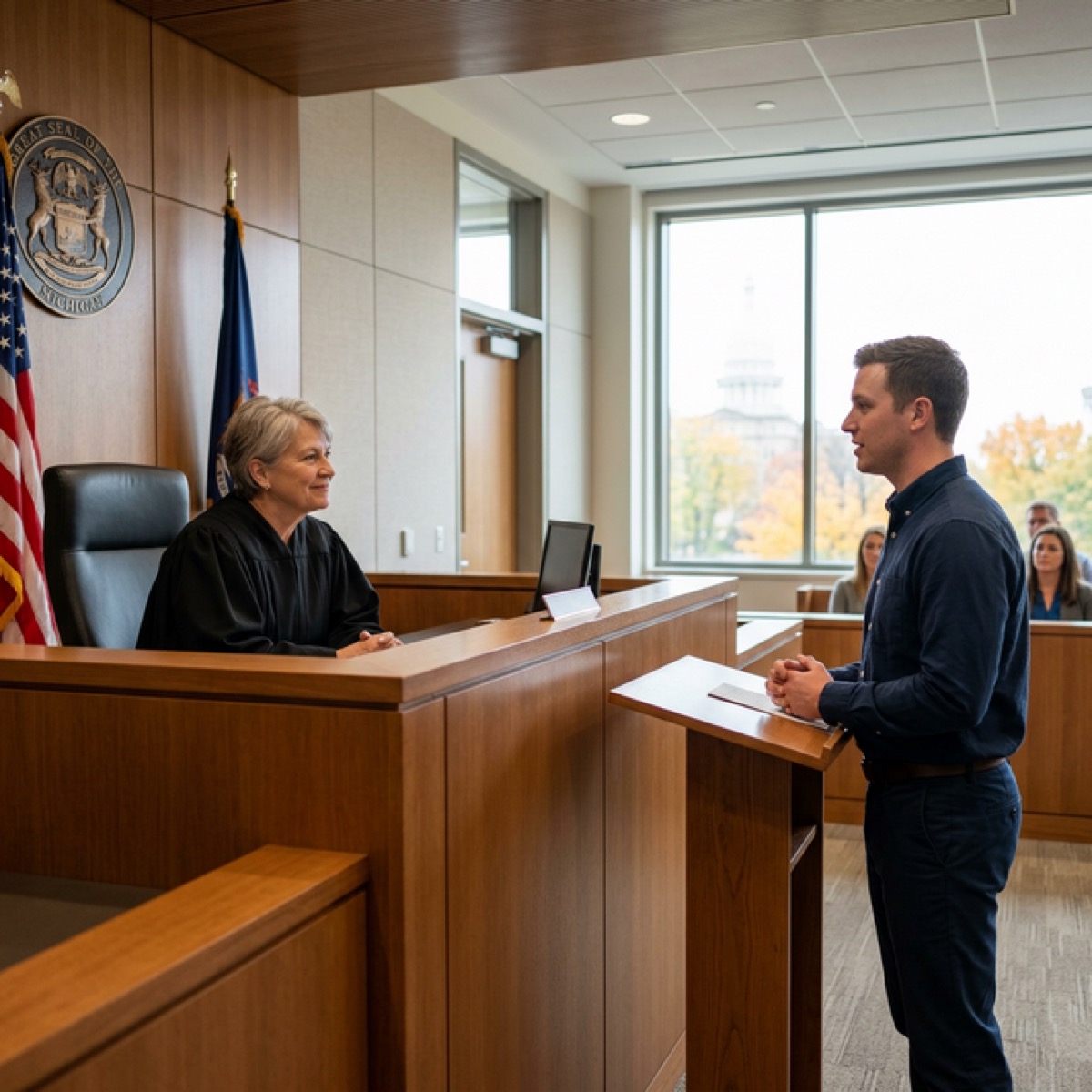
Michigan drug courts provide alternative to traditional criminal justice responses to addiction. Rather than incarceration, drug courts mandate treatment participation, regular court monitoring, and accountability. Drug courts recognize addiction as health condition requiring treatment rather than purely criminal behavior. Multiple Michigan counties operate drug court programs addressing adult substance abusers and specific populations.
Drug court participation requires commitment to treatment, regular court appearances, drug testing, and ongoing accountability to the court. Successfully completing drug court program typically results in charges being reduced or dismissed. Drug courts combine treatment accountability with legal leverage, creating conditions where individuals engage in recovery they might otherwise resist.
Michigan drug courts provide treatment-based alternative to incarceration. Successful completion reduces recidivism and supports lasting recovery.
How Michigan Drug Courts Support Treatment
Drug courts mandate comprehensive addiction treatment addressing underlying substance abuse. Treatment may include outpatient counseling, medication-assisted treatment, residential programs, or combination approaches. Regular court appearances create accountability for treatment engagement and progress. Judges monitor treatment compliance and respond with sanctions or rewards based on progress.
This combination of treatment provision and court accountability creates powerful incentive structure for treatment engagement. Individuals facing drug court consequences often engage in treatment more thoroughly than voluntary participants. The structured accountability combined with professional treatment support produces higher recovery rates.
Drug Court Treatment Components
Drug court programs combine multiple treatment and accountability components. Understanding components enables informed participation.
- Comprehensive substance abuse assessment and treatment planning
- Regular individual and group counseling sessions
- Medication-assisted treatment when appropriate
- Regular drug testing and accountability
- Regular court appearances and judicial monitoring
Benefits of Michigan Drug Court Participation
Drug court participation provides multiple benefits including opportunity to avoid incarceration, access to treatment services, legal motivation for treatment engagement, and possibility of charge dismissal upon successful completion. Many individuals report that drug court provided external structure and accountability necessary for recovery.
Successful drug court completion typically results in charges being reduced or dismissed, removing criminal record consequences that otherwise complicate employment and recovery. This legal benefit combined with treatment access creates conditions for sustainable recovery.
Drug court successful completion avoids incarceration, provides treatment access, and may result in charge dismissal supporting recovery.
Michigan Drug Court Program Requirements
Michigan drug court programs operate with standardized key components including judicial monitoring, mandatory treatment, drug testing, and incentive/sanction system. Participants must maintain employment or enrollment in education or treatment. Regular court appearances create accountability. Successful progression through drug court program phases culminates in program graduation and typical charge dismissal.
Understanding drug court requirements enables informed decision-making about program participation. Call Trust SoCal at (949) 280-8360 to discuss how drug court participation can integrate with specialized intensive treatment.
Typical Drug Court Program Phases
Drug court programs typically include multiple phases with increasing responsibility. Understanding phase progression enables informed participation.
- Phase 1: Intensive treatment, frequent court appearances, regular drug testing
- Phase 2: Continued treatment, court appearances every 2-3 weeks
- Phase 3: Less frequent monitoring, employment/education requirements
- Phase 4: Maintenance phase, rare court appearances
- Graduation: Program completion, charge dismissal, ongoing support
Drug Court Outcomes and Recovery Success
Research demonstrates that drug court participation produces better outcomes than traditional criminal justice response to addiction. Drug court participants show higher treatment completion rates, lower recidivism rates, and better employment outcomes compared to incarcerated individuals. The combination of treatment access and court accountability creates powerful recovery conditions.
Michigan drug courts have demonstrated reduced recidivism and improved community safety outcomes. Participants completing drug court programs show continued reduced criminal activity and improved employment. These evidence-based results justify continued investment in drug court expansion.
Drug court participation produces significantly better recovery outcomes compared to incarceration alone.
Combining Drug Court with Intensive Treatment
Many individuals benefit from combining drug court participation with intensive specialized treatment. Intensive residential treatment during drug court participation can provide breakthrough recovery while maintaining legal compliance. Some drug court programs explicitly support intensive out-of-state treatment with court-approved plans.
Call Trust SoCal at (949) 280-8360 to discuss integrating intensive treatment with drug court participation. Our team can coordinate with drug court programs and ensure treatment participation supports legal compliance and recovery success.
Drug court gave me legal motivation and treatment access. Combining drug court with intensive treatment in California created real recovery breakthrough.
— Michigan resident completing drug court

Trust SoCal Editorial Team, Clinical Review Board
Editorial & Clinical Review