Key Takeaways
- Moab's outdoor adventure culture attracts risk-takers whose personalities predispose to addiction
- Tourism industry creates economic stress and seasonal employment challenges
- Adventure and wellness can replace substance use as identity
- Community supports recovery-oriented lifestyle and outdoor activities
- Residential treatment provides access gap solution for rural Moab
Substance Use in Moab's Adventure Culture
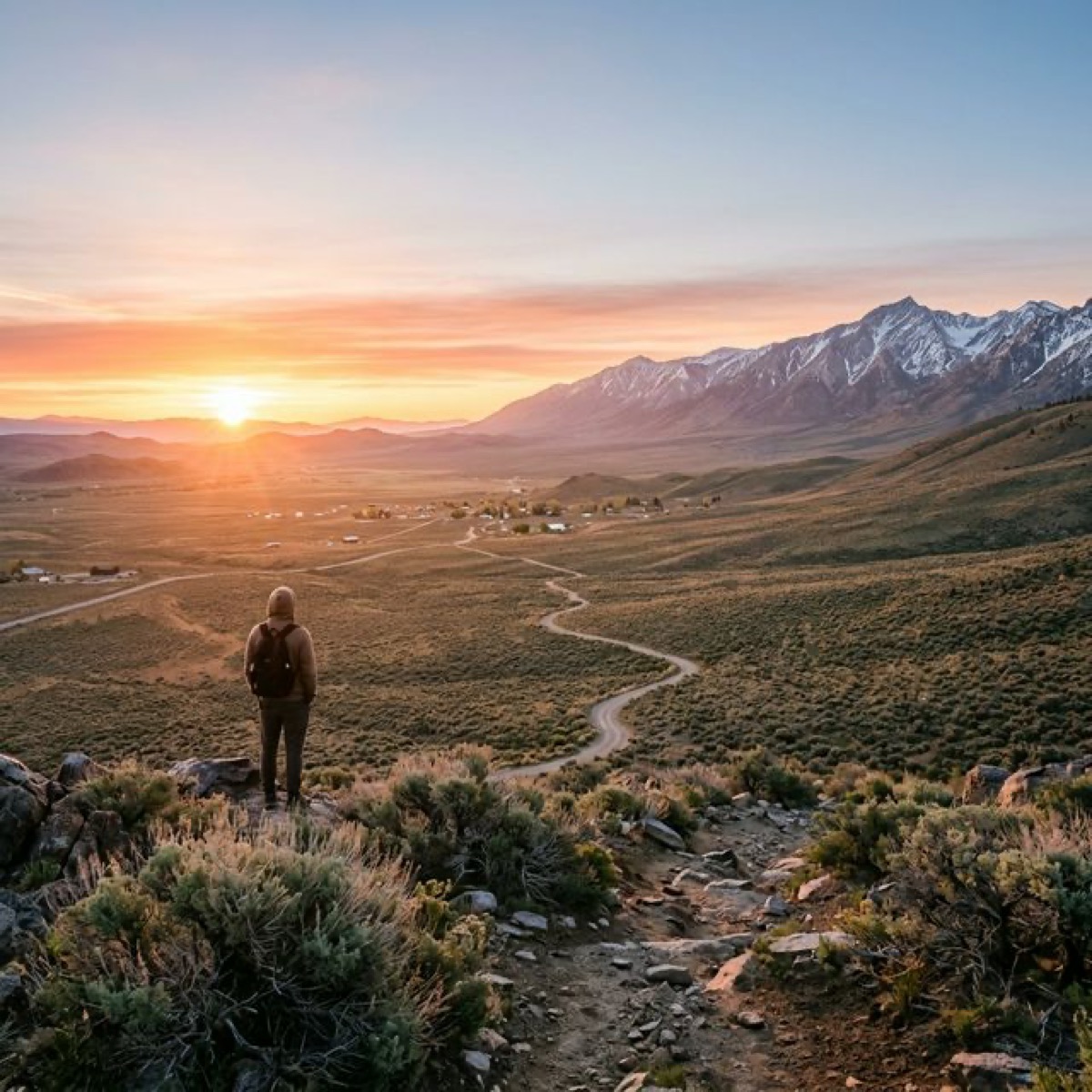
Moab, Utah, with a population around 5,500, has transformed into an international adventure destination attracting mountain bikers, climbers, and outdoor enthusiasts. This adventure culture attracts individuals with risk-taking personalities who are potentially vulnerable to substance use. The transient population of seasonal workers and adventure seekers creates unique substance use patterns and treatment challenges.
Moab's natural beauty and adventure activities can become core to recovery identity when substance use is addressed. Individuals often seek treatment when they recognize addiction interferes with their ability to participate in activities they love. Effective treatment honors adventure identity while addressing substance use.
Moab residents struggling with substance use can address addiction while maintaining adventure lifestyle. Call (949) 280-8360 to discuss treatment options.
Adventure Culture and Risk-Taking
Moab's adventure culture attracts personality types predisposed to both outdoor sports and substance use.
- Risk-taking personalities
- Transient adventure-seeking population
- Seasonal employment and economic stress
- Lifestyle revolving around physical challenge
- Limited healthcare infrastructure
Community-Based Treatment in Rural Moab
Moab has limited formal addiction treatment infrastructure. Most residents access care through Moab Community Counseling Center or travel to nearby Moab Regional Hospital for medical services. Telehealth increasingly provides access to therapy and psychiatric care. Peer support groups meet regularly, though meetings are smaller than in larger cities.
Community providers understand Moab's outdoor culture and integrate adventure lifestyle into recovery planning. Treatment addresses how outdoor activities and adventure community can support sobriety rather than conflict with recovery.
Moab residents can access remote therapy and medication management through telehealth while attending local peer support groups.
Available Services
Moab treatment services combine community counseling with telehealth and travel-based specialty care.
- Moab Community Counseling Center
- Telehealth therapy and psychiatry
- Peer support groups
- Regional hospital services
- Community-based resources
Adventure as Recovery and Lifestyle Replacement
Adventure activities—mountain biking, rock climbing, hiking, canyoneering—provide physical challenge, community, identity, and meaning that often compete with substance use or replace it. Individuals in Moab recovery can build identity around adventure achievement rather than substance use. Outdoor communities inherently provide peer support and accountability.
Effective treatment honors that adventure and outdoor passion are core to many Moab residents' identity and meaning. Rather than asking clients to abandon this part of themselves, treatment integrates sobriety with continued adventure pursuit. Physical challenge and outdoor community become recovery supports.
Moab residents in recovery should maintain or develop adventure and outdoor activities as core to their recovery identity and lifestyle.
Adventure-Based Recovery
Outdoor activities provide meaning, community, and identity supporting long-term recovery.
- Mountain biking and cycling communities
- Rock climbing and bouldering groups
- Hiking and trail communities
- Adventure travel and outdoor experiences
- Physical challenge replacing substance seeking
Seasonal Employment and Tourism Industry Effects
Moab's tourism-dependent economy creates seasonal employment, income instability, and transient populations. Seasonal workers may use substances to manage financial stress or during off-season unemployment. The temporary nature of many jobs creates instability affecting treatment continuity.
Treatment planning for Moab seasonal workers must address economic factors driving substance use and create portable recovery strategies. Peer support, online resources, and telehealth help maintain treatment continuity through employment changes. Some individuals benefit from intensive residential treatment providing time-limited comprehensive care.
Economic stress and seasonal unemployment worsen addiction for many Moab workers. Address financial and employment factors in treatment planning.
Economic and Employment Factors
Moab's seasonal tourism economy creates employment instability affecting substance use and recovery.
- Seasonal employment and income instability
- Off-season unemployment and financial stress
- Transient population turnover
- Limited stable employment options
- Portable recovery strategies
Peer Support and Community Recovery
Moab has active recovery communities including AA, NA, and outdoor-focused recovery groups. Smaller group sizes create intimate community and anonymity challenges. Many Moab residents find strength in overlapping adventure and recovery communities where the same people interact in both contexts.
Leadership in peer groups, sponsorship relationships, and community service strengthen recovery. Many Moab residents discover that giving back to their adventure and recovery communities deepens their own recovery commitment.
Moab recovery communities welcome newcomers. Small group size creates intimate peer support and mutual accountability.
Community Networks
Moab recovery communities combine formal peer groups with informal adventure and outdoor communities.
- AA and NA meetings
- Outdoor-focused recovery groups
- Adventure community and cycling clubs
- Peer sponsorship and mentorship
- Service and leadership opportunities
When Residential Treatment is Necessary
Some Moab residents benefit from intensive residential treatment addressing severe addiction, multiple prior failures, or complex co-occurring conditions. Residential programs provide comprehensive care difficult to access in remote Moab. These programs typically last 28-90 days and provide specialized treatment.
Moab residents traveling to Trust SoCal in Orange County find residential treatment removes geographic access barriers, provides specialized clinical team, and offers therapeutic community. The program honors outdoor and adventure values while intensively treating substance use and underlying conditions.
If Moab local treatment hasn't provided lasting recovery, intensive residential care may be necessary.
Residential Options
Intensive residential treatment addresses access gaps and provides comprehensive care.
- 24-hour clinical supervision
- Specialized dual-diagnosis and trauma treatment
- Therapeutic community and peer support
- Adventure and wellness-integrated programming
- Aftercare for Moab reintegration

Trust SoCal Editorial Team, Clinical Review Board
Editorial & Clinical Review