Key Takeaways
- Narcan (naloxone) is available for free at multiple locations throughout San Diego County.
- Recognizing opioid overdose symptoms quickly and administering naloxone can save lives.
- San Diego County has expanded harm reduction services including syringe access and fentanyl test strips.
- Overdose prevention is a bridge to treatment, and resources are available when individuals are ready to seek help.
Narcan and Overdose Prevention in San Diego County
Narcan distribution and overdose prevention in San Diego County have become urgent public health priorities as the region grapples with rising opioid-related fatalities driven largely by illicit fentanyl. In recent years, San Diego County has seen a dramatic increase in overdose deaths, with fentanyl now involved in the majority of fatal opioid overdoses across neighborhoods from La Jolla to El Cajon.
Naloxone, sold under the brand name Narcan, is an opioid antagonist that can reverse an overdose within minutes when administered promptly. California law allows anyone to obtain and carry naloxone without a personal prescription, and San Diego County has invested heavily in making this life-saving medication accessible through pharmacies, community organizations, and health department programs.
Understanding how to recognize an overdose, where to obtain naloxone, and how to administer it can mean the difference between life and death. This guide provides San Diego residents with the practical information needed to be prepared to act in an overdose emergency.
If you witness an overdose, call 911 immediately. California's Good Samaritan Law protects individuals who call for help during an overdose emergency from prosecution for minor drug offenses.
Where to Get Free Narcan in San Diego
San Diego County distributes free naloxone through multiple channels to ensure the widest possible access. The County Health and Human Services Agency operates naloxone distribution events throughout the year in communities most affected by the opioid crisis, including East Village, City Heights, Oceanside, and Escondido.
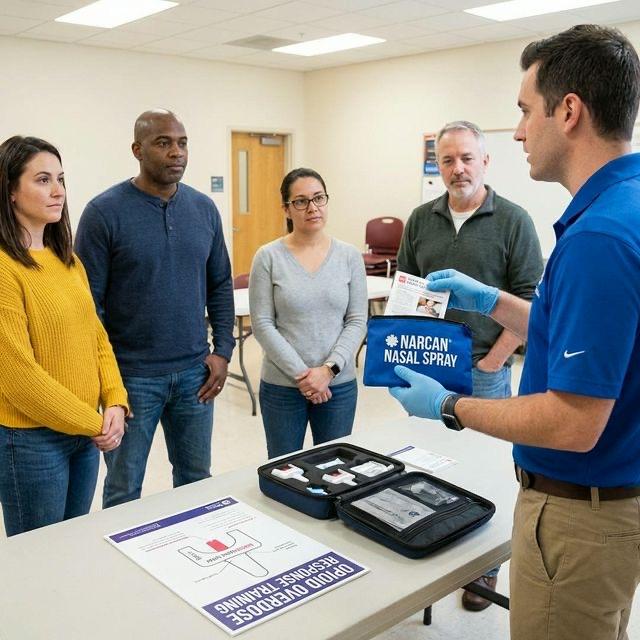
Community-based organizations across San Diego provide naloxone at no cost along with training on how to recognize overdose symptoms and administer the medication. These organizations often conduct outreach in areas with high rates of substance use and homelessness, ensuring that naloxone reaches the populations most likely to witness or experience an overdose.
Pharmacy Access to Naloxone
California pharmacies can dispense naloxone without a prescription under a statewide standing order. Major pharmacy chains including CVS, Walgreens, and Rite Aid locations throughout San Diego County stock naloxone nasal spray. While pharmacy purchases may involve a copay depending on insurance coverage, many Medi-Cal plans cover naloxone at no cost.
Over-the-counter Narcan nasal spray became available nationally in 2023, further reducing barriers to access. This four-milligram formulation can be purchased without any interaction with a pharmacist, though pharmacist consultation remains available and recommended for individuals unfamiliar with opioid overdose recognition and response.
Community Distribution Programs
Harm reduction organizations in San Diego distribute naloxone through outreach programs, drop-in centers, and community events. These organizations often pair naloxone distribution with overdose prevention education, wound care, syringe exchange services, and connections to treatment and social services for individuals who may not access traditional healthcare settings.
San Diego's public libraries have also emerged as naloxone distribution points, with several branches stocking free naloxone kits available to any community member. This innovative approach leverages libraries' roles as trusted, accessible community spaces to expand the reach of overdose prevention efforts.
How to Recognize and Respond to an Opioid Overdose
Recognizing an opioid overdose quickly is critical because brain damage from oxygen deprivation can begin within minutes. Key signs include unresponsiveness or unconsciousness, slow or absent breathing, pinpoint pupils, bluish or grayish skin color particularly around the lips and fingertips, and gurgling or choking sounds.
If you suspect an opioid overdose, time is the most critical factor. Following a clear sequence of steps maximizes the chance of a successful outcome and ensures that professional medical help is on the way while you provide immediate assistance.
- 1Call 911 immediately and provide your location and a description of the situation.
- 2Administer naloxone nasal spray by inserting the nozzle into one nostril and pressing the plunger firmly.
- 3Begin rescue breathing if the person is not breathing: tilt the head back, lift the chin, and deliver one breath every five seconds.
- 4If there is no response after two to three minutes, administer a second dose of naloxone in the other nostril.
- 5Place the person in the recovery position on their side once breathing resumes.
- 6Stay with the person until emergency medical services arrive, as naloxone effects may wear off.
Naloxone only works on opioid overdoses. It will not reverse overdoses caused solely by stimulants, benzodiazepines, or alcohol. However, because many street drugs now contain fentanyl, administering naloxone is recommended whenever an opioid overdose is suspected.
The Fentanyl Crisis in San Diego County
San Diego County's proximity to the U.S.-Mexico border has made it a primary entry point for illicit fentanyl, a synthetic opioid fifty to one hundred times more potent than morphine. Fentanyl is now found not only in counterfeit pills designed to look like prescription medications but also mixed into heroin, methamphetamine, cocaine, and other street drugs, creating overdose risk for users who may not even know they are consuming opioids.
The unpredictable potency and distribution of fentanyl in the illicit drug supply means that every use of unregulated substances carries potentially fatal risk. San Diego County data shows that fentanyl-related deaths have increased by several hundred percent over the past five years, affecting every demographic group and every neighborhood in the county.
Counterfeit Pills and the Illicit Supply Chain
Counterfeit pills manufactured in clandestine labs are designed to be visually indistinguishable from legitimate pharmaceuticals including oxycodone, Xanax, and Adderall. These pills are sold through social media platforms and street-level dealers throughout San Diego, from La Jolla to East Village. Because dosing is inconsistent across batches and even within individual pills, any single use can result in a fatal overdose.
Law enforcement seizures in San Diego County consistently reveal that a majority of confiscated pills contain lethal amounts of fentanyl. This data underscores the life-and-death importance of never consuming pills obtained outside a licensed pharmacy, regardless of their appearance.
Fentanyl Test Strips and Risk Reduction
Fentanyl test strips, which allow individuals to check substances for the presence of fentanyl before use, have been legalized in California and are distributed by harm reduction organizations throughout San Diego. While not a guarantee of safety, these strips provide one additional layer of risk reduction for individuals who continue to use substances.
Multiple organizations in Hillcrest, North Park, and downtown San Diego distribute free fentanyl test strips alongside naloxone kits. These resources are available without judgment or requirements, recognizing that meeting people where they are is a critical step in ultimately connecting them with treatment when they are ready.
Harm Reduction as a Bridge to Treatment
Harm reduction is a public health approach that seeks to reduce the negative consequences of substance use without requiring abstinence as a precondition for receiving services. In San Diego, harm reduction organizations provide naloxone, syringe exchange, wound care, fentanyl testing strips, and non-judgmental connections to treatment for individuals at all stages of readiness for change.
Critics sometimes argue that harm reduction enables continued drug use, but decades of research demonstrate the opposite. Harm reduction services reduce overdose deaths, prevent infectious disease transmission, and serve as the primary entry point into treatment for many individuals who would otherwise have no contact with the healthcare system.
For individuals who are ready to pursue treatment, the transition from harm reduction services to clinical care should be seamless. Trust SoCal in Fountain Valley offers rapid intake and medical detox services that can begin within twenty-four hours of initial contact, providing San Diego residents with immediate access to care when the motivation for change arrives.
Keep naloxone in an accessible location and tell family members or roommates where it is stored. In an emergency, every second counts and knowing where naloxone is located can be the difference between life and death.
Getting Help: From Overdose Prevention to Recovery
An overdose event, whether personal or witnessed, is often a turning point that motivates individuals to seek treatment. San Diego County's treatment system is equipped to provide immediate assessments and intake for individuals who present in the aftermath of an overdose, and hospital emergency departments routinely provide referrals to treatment as part of overdose follow-up care.
If you or someone you love has experienced an overdose or is at risk due to ongoing opioid use, reaching out for help now could prevent a future tragedy. Trust SoCal's admissions team understands the urgency of these situations and can facilitate rapid admission from anywhere in San Diego County, including arranging medical transport for individuals who need supervised detoxification.
Rachel Handa, Clinical Director
Clinical Director & Therapist