Key Takeaways
- OU Norman campus experiences significant student alcohol and drug abuse
- Approximately 70-75% of OU students report drinking alcohol
- College substance abuse often masks underlying mental health conditions
- Campus resources provide counseling and education but limited intensive treatment
- Gap year treatment allows intensive recovery before college reintegration
Substance Abuse Culture at University of Oklahoma
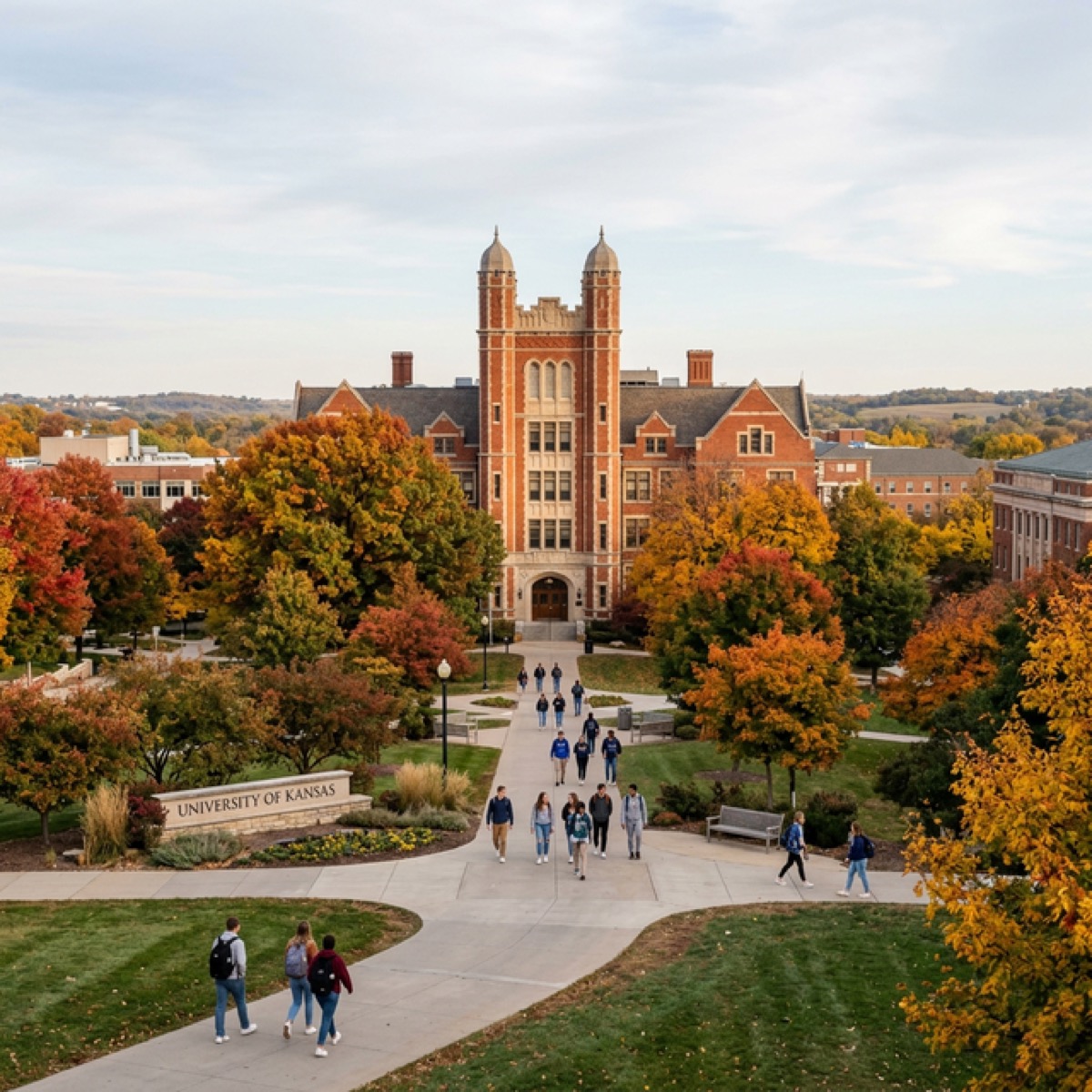
University of Oklahoma in Norman has a vibrant party culture with significant student alcohol and drug use. Approximately 70-75% of OU students report drinking alcohol, with 30-40% engaging in binge drinking. Marijuana use is common, with approximately 20-25% of students using marijuana regularly. Additionally, misuse of prescription stimulants (Adderall, Ritalin) for academic performance enhancement and party purposes is prevalent among OU students. Emerging opioid use among college students poses increasing overdose risk.
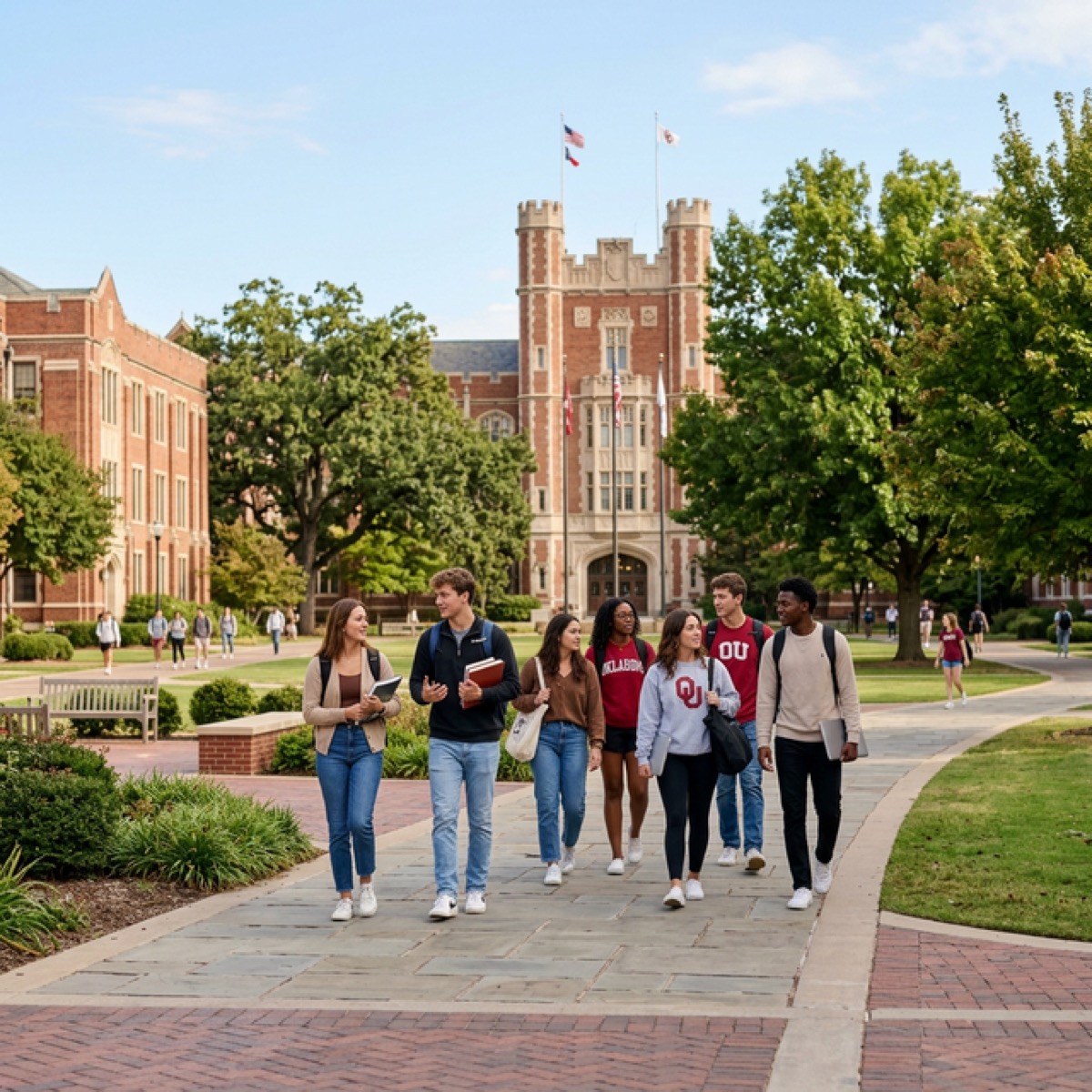
OU's large student population (33,000+), college town environment, and established party reputation create culture normalizing student substance abuse. Greek life is particularly associated with heavy drinking and drug use. Social integration at OU often involves substance use, making abstinence socially challenging for students attempting sobriety.
Approximately 70-75% of OU students report drinking alcohol, with 1,800 college-age students nationally dying annually from alcohol-related causes.
OU Campus Resources and Limitations
OU provides student wellness services, counseling center offering therapy, and educational programs about substance abuse. However, campus counseling center is often overwhelmed with limited appointment availability. Campus health services provide some substance abuse education and brief intervention but lack intensive treatment capacity. OU does not operate residential addiction treatment on campus.
Students requiring intensive care beyond campus counseling must seek private treatment or defer enrollment. Many OU students benefit from gap year treatment, allowing intensive recovery before college reintegration. Trust SoCal provides comprehensive treatment for OU students requiring intensive intervention beyond campus capacity.
Available OU Resources
OU provides some student substance abuse support but limited intensive treatment.
- OU Counseling Center: Therapy for emotional and substance abuse issues
- Student Wellness: Education and prevention programs
- Health Services: Medical care for substance abuse-related health issues
- Dean of Students office: Support for students with behavioral concerns
- Campus security and law enforcement: Intervention for policy violations
Mental Health and Substance Abuse in College
College is high-stress period with adjustment challenges, academic demands, and developmental transitions. Many OU students experience depression, anxiety, PTSD, or other mental health conditions driving self-medication with substances. Substance abuse often masks underlying psychiatric conditions, complicating treatment planning. Comprehensive evaluation during intensive treatment often reveals treatable mental health conditions.
Additionally, substance abuse itself causes psychiatric symptoms indistinguishable from primary mental health conditions. Treatment addressing both substance abuse and mental health simultaneously improves outcomes significantly. Trust SoCal provides dual diagnosis treatment for OU students with co-occurring addiction and psychiatric conditions.
College substance abuse often represents self-medication for untreated depression, anxiety, PTSD, or other mental health conditions requiring concurrent psychiatric treatment.
Gap Year Treatment for OU Students
Many OU students benefit from gap year intensive treatment, allowing recovery before or after college enrollment. Gap year treatment provides geographic distance from college environment enabling substance abuse, intensive mental health treatment, and recovery stabilization. Some students take gap year before college enrollment, beginning recovery before college begins. Others take gap year after semester or year of college substance abuse, addressing emerging addiction before academic standing suffers.
Trust SoCal provides comprehensive gap year treatment for OU students including medical detoxification, psychiatric care, behavioral therapy, family involvement, and college reintegration planning. Many students return to OU after treatment with stronger recovery and healthier coping strategies. Call (949) 280-8360 to discuss gap year treatment for OU students.
Benefits of Gap Year Treatment
Gap year intensive treatment allows recovery before/after college experiences.
- Geographic distance from college party environment
- Intensive medical and psychiatric care unavailable on campus
- Mental health stabilization addressing underlying conditions
- Recovery skill development and healthy coping strategies
- Family involvement in healing process
- College reintegration planning supporting continued recovery
Polysubstance Abuse Among OU Students
OU students increasingly engage in polysubstance abuse: combining alcohol with marijuana, cocaine, prescription stimulants, benzodiazepines, and increasingly opioids. Polysubstance addiction creates complex withdrawal syndromes and overdose risk greater than single-substance use. Prescription stimulants for ADHD are common among OU student population, with significant misuse and diversion to substance-abusing peers.
Polysubstance addiction is often hidden from parents and OU authorities, particularly when prescription medications are involved. Many OU students appear academically successful while struggling with serious polysubstance dependence. By the time intervention occurs, some students have developed significant addiction requiring intensive treatment.
Polysubstance addiction requires comprehensive treatment addressing all substance components plus any psychiatric conditions. Trust SoCal provides specialized polysubstance treatment.

Trust SoCal Editorial Team, Clinical Review Board
Editorial & Clinical Review