Key Takeaways
- Research shows that outdoor physical activity reduces cravings, improves mood, and lowers relapse risk.
- Orange County offers year-round access to beaches, hiking trails, parks, and water sports.
- Surf therapy, group hikes, and sober fitness communities combine physical activity with peer support.
- Incorporating outdoor activities into a recovery routine builds healthy habits that replace substance use patterns.
- Trust SoCal integrates outdoor and wellness activities into treatment programming.
How Outdoor Activities Support Addiction Recovery
Outdoor activities that support recovery in Orange County leverage the region extraordinary natural environment to promote physical, mental, and emotional healing. Scientific research has consistently demonstrated that time spent in nature reduces cortisol levels, decreases symptoms of anxiety and depression, and improves overall cognitive function. For people recovering from addiction, these benefits translate directly into reduced cravings and improved emotional regulation.
Exercise, in particular, triggers the release of endorphins and other neurotransmitters that produce natural feelings of wellbeing. These same brain pathways are disrupted by substance abuse, and physical activity helps restore their healthy functioning. A study published in the Scandinavian Journal of Public Health found that regular exercise during addiction treatment significantly reduced relapse rates at the 12-month follow-up.
Orange County mild Mediterranean climate, with average temperatures between 60 and 80 degrees year-round, removes the weather barriers that limit outdoor activity in other regions. Whether it is January or July, residents can walk on the beach, hike a canyon trail, or paddle in the ocean. This year-round accessibility makes outdoor activity a sustainable, long-term component of recovery.
Beach Activities for Recovery
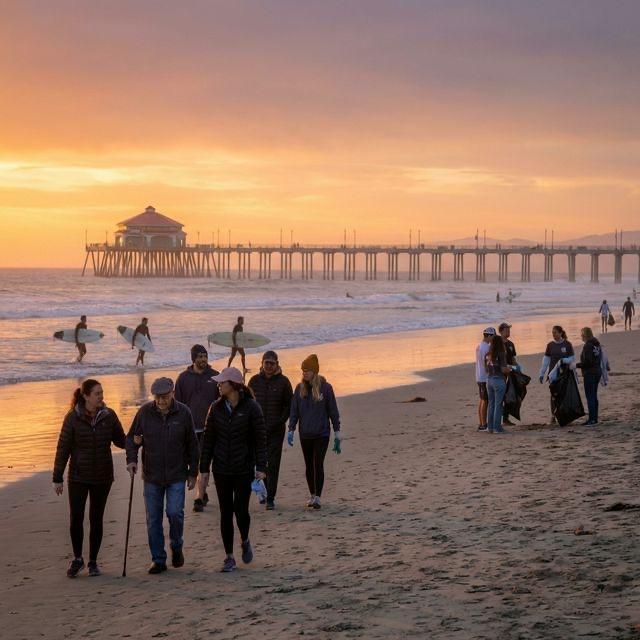
Orange County 42 miles of coastline provide endless opportunities for recovery-supportive beach activities. From the wide sandy beaches of Huntington Beach to the secluded coves of Laguna Beach, the coast offers environments suited to every preference and fitness level.
Many surf therapy and beach fitness programs in Orange County are free or low-cost for people in recovery. Ask your treatment provider or sober living house manager about local options.
Walking, Running, and Beach Yoga
Beach walking and running are among the most accessible outdoor activities for people in recovery. The Huntington Beach boardwalk extends for miles along the coast, providing a flat, scenic path for walking or jogging. The soft sand below the boardwalk offers a more challenging surface that builds strength and balance. Many recovery groups in Costa Mesa and Huntington Beach organize morning beach walks as part of their regular programming.
Beach yoga classes are held regularly at locations along the Orange County coast, including Huntington Beach, Newport Beach, and Dana Point. The combination of gentle physical movement, breathwork, and ocean sounds creates a meditative experience that supports emotional regulation and stress management. Several yoga instructors in the area specialize in recovery-focused classes.
Surf Therapy and Water Sports
Surf therapy has emerged as an evidence-based intervention for PTSD, depression, and substance use disorders. Programs in Huntington Beach and Newport Beach offer structured surf therapy sessions that combine surf instruction with therapeutic processing and group support. The act of surfing demands present-moment awareness, providing a natural form of mindfulness practice.
Beyond surfing, Orange County waters offer kayaking, stand-up paddleboarding, bodyboarding, and swimming. Dana Point Harbor and Newport Bay provide calmer conditions for paddling, while the open ocean at Huntington Beach and Trestles delivers waves for more adventurous activities. Each of these pursuits builds physical fitness, self-confidence, and healthy coping skills.
Hiking Trails Across Orange County
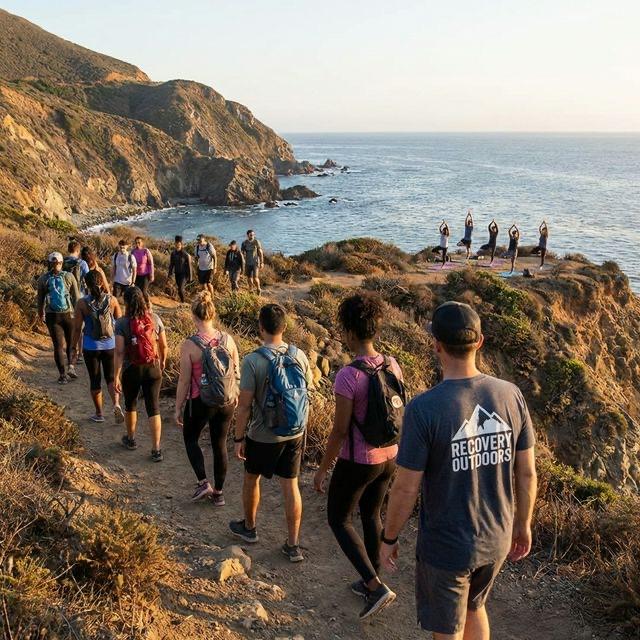
Orange County park system includes hundreds of miles of hiking trails that wind through coastal bluffs, wooded canyons, and rolling hills. Hiking provides cardiovascular exercise, exposure to natural environments, and opportunities for reflection or social connection. The variety of trails available means that hikers of every fitness level can find appropriate and enjoyable routes.
Beginner-Friendly Trails
Crystal Cove State Park, located between Newport Beach and Laguna Beach along Pacific Coast Highway, offers miles of trails ranging from gentle coastal walks to moderate canyon hikes. The Moro Canyon loop is a popular choice for beginners, providing ocean views and wildflower displays in spring. The park also includes a historic beach cottage district that adds cultural interest to the outdoor experience.
Irvine Regional Park, one of the oldest county parks in California, features flat, shaded trails along Santiago Creek that are ideal for easy walks or jogs. Nearby, the Peters Canyon Regional Park offers a loop trail around the Upper Peters Canyon Reservoir with views of the surrounding hills and occasional wildlife sightings.
Moderate to Challenging Options
The Top of the World trail in Laguna Beach delivers panoramic views of the Pacific Ocean, Catalina Island, and the Orange County coastline from an elevation of nearly 1,000 feet. The moderate climb is rewarded with one of the most spectacular vistas in the county. Many recovery groups use this trail for weekend group hikes that combine exercise with fellowship.
For more experienced hikers, the Whiting Ranch Wilderness Park near Lake Forest offers rugged trails through red rock canyons reminiscent of the American Southwest. Santiago Oaks Regional Park in Orange provides steep terrain and creek crossings. Black Star Canyon, accessible from Silverado Canyon Road off the 241 toll road, offers a longer, more demanding route through the Santa Ana Mountains.
Cycling and Running Routes
Orange County has invested heavily in cycling and pedestrian infrastructure, creating a network of trails and bike lanes that support active lifestyles. The Santa Ana River Trail, the longest paved trail in Orange County, stretches over 30 miles from the mountains to the coast at Huntington Beach. This trail is popular among runners, cyclists, and walkers seeking a long, continuous route.
The San Diego Creek Trail in Irvine provides a flat, paved path through wetlands and open space. The Back Bay Loop Trail in Newport Beach circles the Upper Newport Bay Ecological Reserve, offering a scenic route with bird-watching opportunities. These trails are accessible, free, and safe for solo or group use.
Group running and cycling clubs with recovery connections operate throughout Orange County. These groups provide structured workout schedules, social accountability, and a sense of community. Many participants find that training for a goal, such as a local 5K race or century ride, provides motivation and purpose during early recovery.
Group Fitness and Sober Recreation
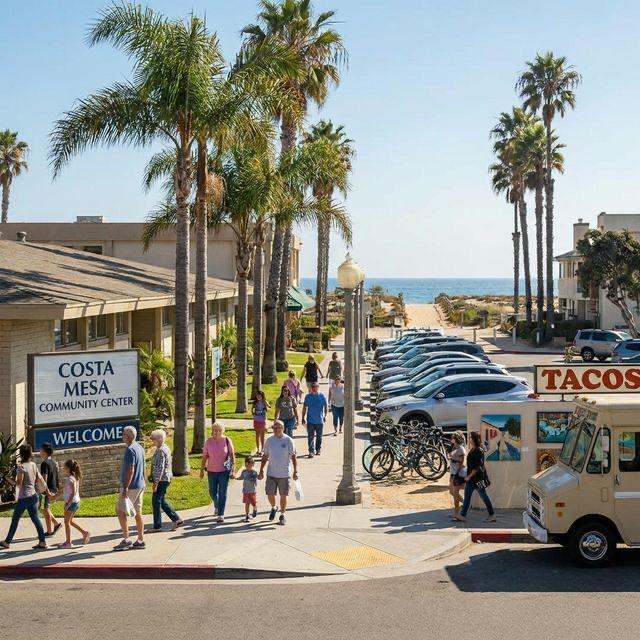
Organized group fitness programs create structure and social connection that reinforce recovery. CrossFit gyms, outdoor boot camps, martial arts studios, and yoga centers throughout Orange County offer classes that build physical strength while fostering community bonds. Several gyms in Costa Mesa, Huntington Beach, and Fountain Valley specifically welcome and support people in recovery.
Sober recreation organizations in Orange County host events ranging from beach volleyball tournaments and surf contests to camping trips and rock climbing outings. These events demonstrate that fun and adventure are not only possible without substances but often more enjoyable and memorable. The shared experience of physical challenge builds genuine friendships grounded in mutual respect.
Mile Square Regional Park in Fountain Valley offers golf, tennis, basketball, and soccer facilities alongside walking paths and fishing lakes. This 640-acre park is a community gathering space that provides affordable recreation options year-round. Many Trust SoCal clients use Mile Square Park as part of their wellness routine during and after treatment.
When I started running in recovery, I discovered that the high from a morning run was more reliable, more sustainable, and more meaningful than anything I ever got from a substance.
— Amanda Castillo, LPCC -- Primary Therapist, Trust SoCal
Building an Outdoor Recovery Routine
Incorporating outdoor activities into your recovery routine does not require athletic ability, expensive equipment, or significant time commitments. Start with simple, enjoyable activities and gradually build from there. The goal is to establish consistent habits that provide natural mood elevation, physical health benefits, and positive social connections.
Begin with 20 to 30 minutes of walking outdoors three to four times per week. Choose routes that you find visually appealing and emotionally calming. As your fitness improves, experiment with different activities, including hiking, swimming, cycling, or group fitness classes. Join a recovery-focused outdoor group to add social accountability and connection.
Track how you feel before and after outdoor activities. Most people notice significant improvements in mood, energy, sleep quality, and craving intensity within the first few weeks. These observable benefits create positive reinforcement that sustains the habit over time and gradually replaces the role that substances once played in managing emotions.
- 1Start with short walks in a setting you enjoy, such as the beach, a park, or a tree-lined neighborhood
- 2Increase duration and intensity gradually over several weeks
- 3Try a variety of activities to discover what you enjoy most
- 4Join a group or find a workout partner for accountability
- 5Schedule outdoor time as a non-negotiable part of your daily or weekly routine
- 6Track mood and energy improvements to reinforce the habit
Outdoor Wellness at Trust SoCal
Trust SoCal integrates outdoor and wellness activities into our treatment programming at 16537 Elm Cir, Fountain Valley, CA 92708. Our location near Mile Square Regional Park and within easy reach of Orange County beaches and trails allows us to incorporate nature-based activities into client treatment plans. We believe that healing the body supports healing the mind.
Our programs include guided fitness activities, outdoor mindfulness exercises, and connections to community-based recreation resources. We help clients discover physical activities they enjoy and build sustainable wellness routines that continue long after formal treatment ends. The outdoor-friendly Orange County environment is one of the reasons we chose Fountain Valley as our home.
To learn more about our holistic approach to addiction treatment, call (949) 280-8360. Our admissions team can explain our programs, verify your insurance, and help you start a recovery journey that embraces the natural beauty and active lifestyle that Orange County has to offer.
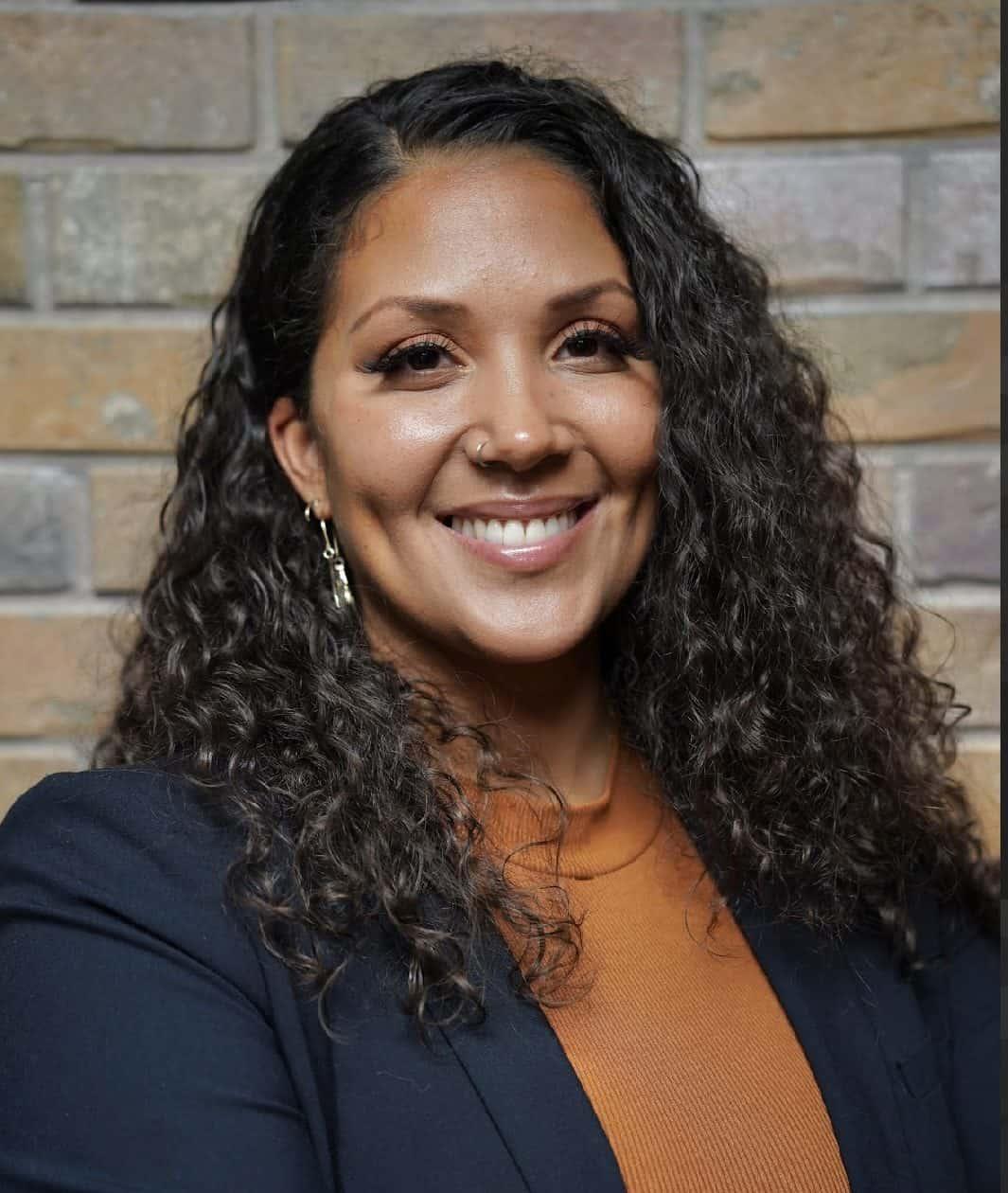
Courtney Rolle, CMHC
Clinical Mental Health Counselor