Key Takeaways
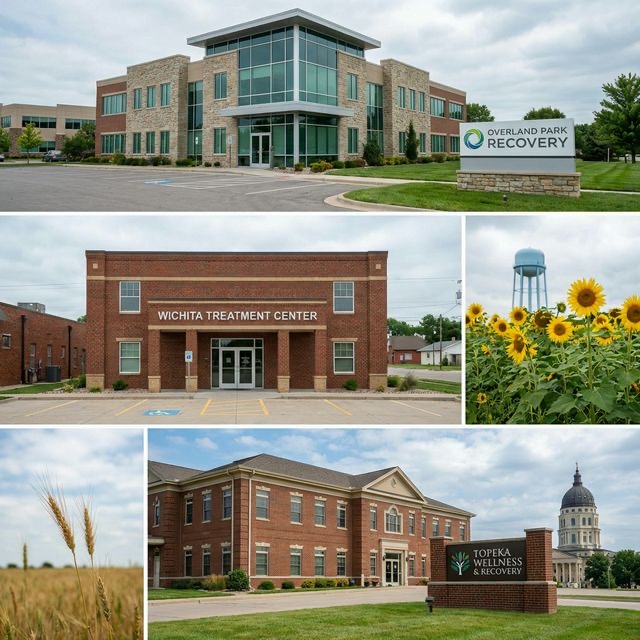
- Overland Park and Johnson County, Kansas, have well-developed treatment infrastructure with medical detoxification, residential, and outpatient programs.
- Wichita serves as a major treatment hub for western and south-central Kansas with expanding addiction medicine resources.
- Topeka, as Kansas's capital, has state health resources available, though residential treatment capacity can be limited.
- Methamphetamine remains the primary substance driving addiction in Kansas, with treatment programs specialized for stimulant addiction.
- Telehealth expansion has improved access to medication-assisted treatment and therapy across Kansas.
- Trust SoCal assists Kansas residents with out-of-state treatment, insurance verification, and travel coordination at (949) 280-8360.
Understanding Addiction in Kansas: Overland Park, Wichita, and Topeka
Kansas, the United States' third-largest state by area with significant rural territory, faces unique addiction challenges shaped by its geographic isolation, agricultural economy, and methamphetamine distribution networks. Overland Park and Johnson County, located in the Kansas City metropolitan area immediately west of Kansas City, Missouri, benefit from proximity to major medical and treatment infrastructure but maintain distinct identity and resources. Wichita, Kansas's largest city with approximately 400,000 residents in the metro area, serves as a major hub for south-central Kansas. Topeka, the state capital with approximately 130,000 residents, serves as a seat of state health and social services.
Methamphetamine is the primary substance driving addiction across Kansas. The drug flows through distribution networks from Mexican cartels and clandestine domestic labs. Wichita and surrounding south-central Kansas have been particularly hard hit by the methamphetamine epidemic. Opioid-related overdoses have increased in recent years as fentanyl has contaminated the illicit drug supply. Alcohol use disorder remains prominent across rural Kansas. The agricultural economy and related occupational stress contribute to high rates of substance use in rural areas.
Treatment infrastructure varies across the state. Johnson County and Overland Park, as part of the Kansas City metro, have more robust resources. Wichita has major medical centers providing addiction treatment. Rural areas and small Kansas communities have limited treatment access, requiring travel to larger cities. Telehealth expansion has improved access, but remains limited by broadband availability in rural areas.
For overdose emergencies, call 911 immediately. Naloxone is available without prescription at Kansas pharmacies. For treatment information, contact the Kansas Access and Advocacy Services at 1-800-432-5926 or the SAMHSA National Helpline at 1-800-662-4357. Trust SoCal can also assist at (949) 280-8360.
Treatment in Overland Park and Johnson County, Kansas
Overland Park and Johnson County, Kansas, benefit from their location in the Kansas City metropolitan area, providing access to treatment infrastructure and medical expertise. Major healthcare systems serving the area include University of Kansas Medical Center, which has addiction medicine specialists, and various community health centers and private treatment facilities. Many residents access treatment through Kansas City, Missouri-based providers as well. Johnson County Department of Health and Environment provides public health addiction services.
Overland Park has numerous treatment options including medical detoxification at affiliated hospitals, outpatient addiction treatment programs, and intensive outpatient options. Residential treatment is available through Kansas City metro-based programs. Telehealth-based buprenorphine treatment is accessible to Johnson County residents. Insurance coverage through Kansas Medicaid and private plans supports treatment access for most residents.
Overland Park and Johnson County Resources
Johnson County residents have access to comprehensive addiction treatment services through metro-based providers.
- University of Kansas Medical Center addiction medicine specialists and detoxification services accessible to Overland Park residents
- Johnson County Department of Health and Environment addiction and mental health services
- Multiple community health centers providing sliding-scale treatment
- Telehealth-based buprenorphine treatment through Kansas and Missouri providers
- Kansas City-based treatment programs providing services to Johnson County residents
- Overland Park Area AA and NA meetings with strong participation
Addiction Treatment in Wichita, Kansas
Wichita, serving south-central and western Kansas, has major medical centers including Wesley Medical Center and Newman University, which support addiction treatment. Wichita has medical detoxification programs, addiction medicine specialists, psychiatric evaluation services, and both residential and intensive outpatient programs. The Sedgwick County Health Department provides public health substance abuse services. Multiple private treatment centers operate in Wichita serving the city and surrounding region.
Wichita's treatment system reflects the region's methamphetamine epidemic, with programs particularly skilled in stimulant addiction treatment. Telehealth-based buprenorphine treatment is available through Wichita-area providers, extending access across south-central Kansas. Wichita serves as the treatment hub for a large geographic region.
Wichita Treatment and Recovery Resources
Wichita offers comprehensive addiction treatment serving south-central and western Kansas.
- Wesley Medical Center detoxification and addiction medicine services
- Sedgwick County Health Department addiction treatment programs
- Wichita Area AA Intergroup and Wichita Area NA with extensive meetings
- Multiple private treatment centers specializing in methamphetamine and opioid addiction
- Telehealth-based buprenorphine treatment extending access throughout south-central Kansas
- Recovery community organizations and peer support groups throughout the city
Treatment and Resources in Topeka, Kansas
Topeka, as Kansas's capital, is home to the Kansas Department of Health and Environment, which oversees state addiction services. Stormont Vail Health and Saint Francis Hospital provide addiction treatment services including medical detoxification and psychiatric evaluation. Topeka's federally qualified health centers and public health departments provide accessible treatment. Telehealth-based treatment is available through state-supported programs and private providers.
Topeka's position as the state capital provides access to state-level health resources. However, residential treatment capacity may be more limited than in larger cities. Individuals requiring intensive residential programming may need to access programs in Kansas City metro area or out-of-state.
Topeka Treatment and Recovery Resources
Topeka provides quality addiction treatment services through state and local providers.
- Kansas Department of Health and Environment substance abuse services
- Stormont Vail Health and Saint Francis Hospital addiction treatment and detoxification
- Topeka Area AA and NA meetings with established recovery community
- Federally qualified health centers with sliding-scale treatment
- Telehealth-based treatment available through state programs
Methamphetamine Addiction Treatment in Kansas
Methamphetamine addiction represents the central challenge in Kansas addiction treatment. Unlike opioid addiction, which has medication-assisted treatment options, methamphetamine addiction treatment relies on behavioral interventions. Kansas treatment programs are well-positioned to address methamphetamine addiction through cognitive-behavioral therapy, contingency management, peer support, and family therapy. Treatment duration of 60-90 days or longer is often recommended for methamphetamine, longer than typical 28-day programs.
Kansas treatment providers understand the regional context of methamphetamine distribution and use. Programs address methamphetamine's neurobiological effects including dopamine dysregulation, sleep disturbance, and psychiatric symptoms. Community support systems specifically designed for methamphetamine recovery are essential for sustained sobriety.
Methamphetamine addiction often requires 60-90+ days of treatment for optimal outcomes, particularly if previous 28-day attempts were unsuccessful. Ask about extended residential options when discussing treatment.
Insurance Coverage and Accessibility
Kansas Medicaid covers substance use disorder treatment including medical detoxification, residential treatment, and outpatient programs. Individuals can also access treatment across state lines in some circumstances; Kansas residents may access treatment in Missouri and Kansas providers may serve Missouri residents if clinically appropriate. Uninsured individuals can access federally qualified health centers and public health services on a sliding-scale basis.
Private insurance in Kansas is required to cover addiction treatment under federal parity laws. Verifying specific coverage before commitment to treatment is essential. Out-of-network coverage may be available for specialized programming not accessible in-state.
Contact Kansas Access and Advocacy Services at 1-800-432-5926 for free assistance verifying insurance and finding treatment in Kansas. Trust SoCal can also verify insurance at no cost at (949) 280-8360.
Starting Treatment in Kansas
Beginning addiction treatment in Kansas starts with reaching out. Call Kansas Access and Advocacy Services (1-800-432-5926) to explore treatment options and identify Medicaid or insurance-accepting providers. Contact your local federally qualified health center or health department. Major hospital systems in Overland Park, Wichita, and Topeka have addiction medicine specialists and can provide comprehensive evaluation.
For those considering out-of-state treatment, Trust SoCal's admissions team at (949) 280-8360 can discuss treatment options, verify insurance, and coordinate travel. Beginning treatment is a powerful step toward recovery.
If you or someone you know is in crisis, call 911 for overdose or call the 988 Suicide and Crisis Lifeline. Kansas Good Samaritan laws protect you for calling for help during an overdose.

Rachel Handa, Clinical Director
Clinical Director & Therapist