Key Takeaways
- Interacting with animals reduces cortisol levels and increases oxytocin, the bonding hormone that promotes feelings of trust and safety.
- Animal-assisted therapy helps clients who struggle with verbal expression access emotions through nonverbal connection.
- Equine therapy is particularly effective for building self-awareness, boundary setting, and emotional regulation.
- Caring for an animal in recovery builds routine, responsibility, and a sense of purpose.
- Research shows that pet ownership after treatment can reduce relapse risk by providing structure and unconditional support.
The Science of the Human-Animal Bond in Recovery
The therapeutic relationship between humans and animals is rooted in neurobiology. When a person pets a dog, their brain releases oxytocin, the same hormone that bonds parents to children. Simultaneously, cortisol levels drop and heart rate slows. This neurochemical shift occurs within minutes and creates a state of calm alertness that is ideal for therapeutic work.
For individuals in addiction recovery, this biochemical response addresses several challenges at once. The oxytocin release counters the isolation and disconnection that characterize addiction. The cortisol reduction eases the chronic stress that drives cravings. The calm alertness creates a window for emotional processing that might otherwise be blocked by anxiety or defensiveness.
At Trust SoCal, we have observed how quickly the presence of a therapy animal can transform the therapeutic environment. Clients who are guarded in traditional therapy sessions often open up more readily when an animal is present. The animal provides a bridge between emotional armor and authentic vulnerability.
Types of Animal-Assisted Therapy in Addiction Treatment
Animal-assisted therapy encompasses a range of modalities, each with distinct therapeutic applications. The choice of animal and approach depends on the client's needs, comfort level, and treatment goals.
All forms of animal-assisted therapy in clinical settings are facilitated by trained professionals who ensure both the client's and the animal's safety and well-being.
Canine-Assisted Therapy
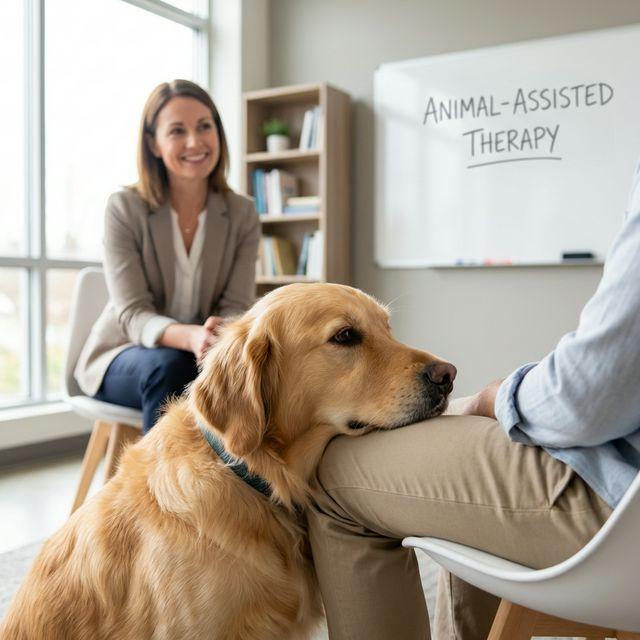
Dogs are the most commonly used animals in therapeutic settings because of their natural sociability, trainability, and emotional attunement. Therapy dogs are specially trained to remain calm in clinical environments and respond to human emotional cues. Sessions may involve petting, grooming, walking, or simply sitting quietly with a dog.
Canine-assisted therapy is particularly effective for reducing anxiety during early recovery. Many treatment centers in Orange County partner with certified therapy dog organizations to bring animals into group and individual sessions.
Equine-Assisted Therapy
Horses are powerful mirrors of human emotion. Because they are prey animals, horses are exquisitely sensitive to body language, tone of voice, and emotional energy. A person who approaches a horse while masking anger or fear will see the horse respond to the underlying emotion rather than the facade.
This immediate, honest feedback makes equine therapy remarkably effective for building self-awareness. Clients learn to recognize their own emotional states by observing how the horse reacts to them. Skills developed in the arena, including boundary setting, assertive communication, and emotional regulation, transfer directly to human relationships.
Emotional Benefits of Animal Interaction During Recovery
Addiction often damages a person's ability to trust, connect, and express vulnerability. Animals offer a safe starting point for rebuilding these essential skills. Unlike human relationships, which carry the weight of judgment and expectation, the human-animal bond is characterized by unconditional acceptance.
Clients who have experienced betrayal, trauma, or broken relationships frequently find it easier to trust an animal first. That trust then becomes a template for gradually rebuilding trust with humans. The experience of being accepted without conditions is profoundly healing for individuals whose addiction has strained or severed their closest relationships.
Empathy development is another significant benefit. Caring for an animal requires attentiveness to another being's needs, emotions, and communication style. This practice in empathy strengthens the interpersonal skills that support healthy relationships in sobriety.
Animals don't care about your past. They respond to who you are right now, in this moment. That kind of acceptance is exactly what people in early recovery need.
— Sarah Ellison, LMFT, Clinical Director at Trust SoCal
Building Routine and Responsibility Through Pet Care
One of the most practical benefits of animal interaction in recovery is the structure it provides. Pets need to be fed, walked, groomed, and attended to on a consistent schedule. This daily routine creates a framework of responsibility that supports the broader structure of a recovery lifestyle.
For someone who has spent months or years in the chaos of active addiction, the simple act of maintaining a consistent schedule can be challenging and transformative. A pet that depends on you creates external motivation to get out of bed, go outside, and maintain healthy habits even on difficult days.
Research from the Recovery Research Institute indicates that pet owners in recovery report higher levels of daily structure, physical activity, and social interaction compared to non-pet owners. These factors are all associated with reduced relapse risk.
- Morning feeding and walking routines establish consistent wake times
- Regular veterinary appointments build comfort with scheduling and follow-through
- Daily walks provide built-in exercise and outdoor time
- Grooming and care tasks offer meditative, focused activities
- Social interactions with other pet owners expand support networks naturally
Considerations for Pet Ownership in Recovery
While the benefits of animal companionship in recovery are well documented, pet ownership is a significant commitment that requires careful consideration. The timing of getting a pet, the type of animal chosen, and the individual's stability in recovery all matter.
Most clinicians recommend waiting until a person has at least six months of stable sobriety and a reliable living situation before adopting a pet. The financial and time commitments of pet ownership can add stress during early recovery when resources and emotional bandwidth are limited.
Clients interested in animal connection before they are ready for pet ownership can volunteer at local animal shelters, participate in therapy animal programs, or spend time with friends' or family members' pets. Orange County has numerous animal welfare organizations that welcome volunteers.
If you are considering animal-assisted therapy as part of your treatment, contact Trust SoCal at (949) 280-8360 to learn about our holistic programming options and how animal interactions can be incorporated into your recovery plan.

Rachel Handa, Clinical Director
Clinical Director & Therapist