Key Takeaways
- Polysubstance use, combining two or more substances, creates unpredictable and often synergistic effects that dramatically increase overdose risk beyond the sum of individual substance risks.
- The most dangerous combinations involve central nervous system depressants such as opioids plus benzodiazepines, opioids plus alcohol, or benzodiazepines plus alcohol.
- Many polysubstance-related deaths involve individuals who were unaware of fentanyl contamination in their drug supply.
- Treatment for polysubstance use disorders requires comprehensive protocols that address withdrawal from multiple substances simultaneously under careful medical supervision.
- Underlying mental health conditions frequently drive polysubstance use patterns and must be treated concurrently for recovery to succeed.
Understanding Polysubstance Use
Polysubstance use refers to the pattern of using two or more psychoactive substances simultaneously, in close succession, or within the same general time period. This pattern is far more common than single-substance use among individuals with substance use disorders. National survey data indicates that approximately 60 percent of individuals who misuse any substance report using multiple substances, making polysubstance use the rule rather than the exception in addiction treatment settings.
The motivations behind polysubstance use vary. Some individuals combine substances intentionally to enhance, modify, or counteract effects, such as using cocaine to offset alcohol sedation or using benzodiazepines to manage stimulant comedowns. Others use whatever substances are available without deliberate planning. In some cases, individuals are unaware they are engaging in polysubstance use because their drug supply has been contaminated with fentanyl or other adulterants.
In Orange County and the broader Southern California region, polysubstance use patterns have become increasingly complex and dangerous. The contamination of the illicit drug supply with fentanyl means that individuals who believe they are using only cocaine, methamphetamine, or counterfeit pills may unknowingly be consuming a lethal opioid. Trust SoCal's treatment programs are specifically designed to address the medical and psychological complexity that polysubstance use creates.
According to the CDC, approximately 50 percent of drug overdose deaths in the United States involve multiple substances. The combination of opioids with benzodiazepines or alcohol is the most lethal polysubstance pattern, as both substance classes suppress breathing.
The Most Dangerous Substance Combinations
While any combination of psychoactive substances carries elevated risk, certain pairings are particularly lethal. Understanding these high-risk combinations can be life-saving information for individuals, families, and communities affected by substance use.
The combination of opioids with benzodiazepines is responsible for a disproportionate share of overdose fatalities. Both drug classes suppress the central nervous system, including the brainstem respiratory center. Together, their respiratory depressant effects are synergistic rather than merely additive, meaning the combined effect on breathing is greater than the sum of each drug's individual effect. The CDC reports that over 30 percent of opioid overdose deaths involve concurrent benzodiazepine use.
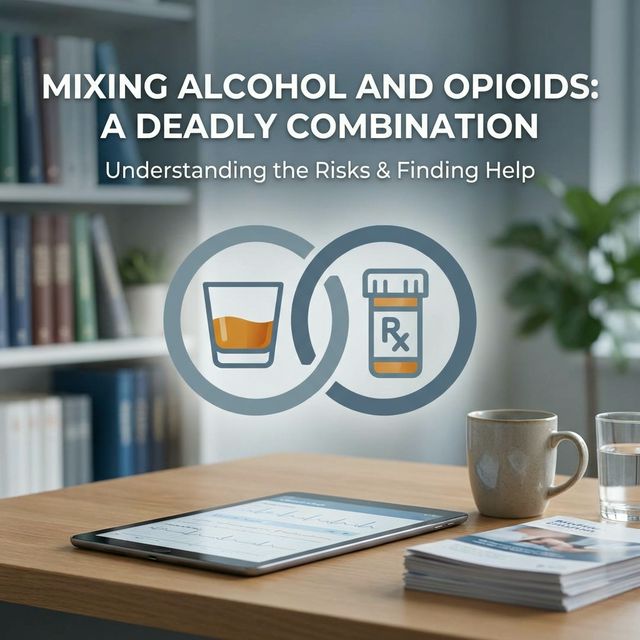
Mixing alcohol with opioids produces a similarly dangerous synergistic respiratory depression. Alcohol with benzodiazepines, alcohol with muscle relaxants, and combining multiple CNS depressants of any type all create compounded overdose risk. Stimulant-depressant combinations such as cocaine with alcohol produce cocaethylene, a toxic metabolite that increases the risk of sudden cardiac death and is more cardiotoxic than either substance alone.
- 1Opioids + benzodiazepines: synergistic respiratory depression, highest overdose fatality rate
- 2Opioids + alcohol: compounded CNS depression, respiratory failure risk
- 3Cocaine + alcohol: produces cocaethylene, a cardiotoxic compound that increases sudden death risk
- 4Stimulants + opioids (speedballing): masks overdose warning signs, cardiovascular strain, unpredictable effects
- 5Benzodiazepines + alcohol: profound CNS depression, memory blackouts, respiratory arrest
- 6MDMA + stimulants: serotonin syndrome risk, hyperthermia, cardiovascular emergency
- 7Any substance + fentanyl-contaminated supply: unpredictable potency, respiratory arrest from unknowing exposure
Fentanyl Contamination: The Invisible Polysubstance Threat
One of the most alarming dimensions of the current polysubstance crisis is involuntary fentanyl exposure. Fentanyl has been detected in cocaine, methamphetamine, counterfeit prescription pills, MDMA tablets, and even cannabis products seized by law enforcement. An individual who believes they are using only cocaine may be unknowingly consuming a substance that is orders of magnitude more potent than what they intended, with no opioid tolerance to protect them.
In Orange County, the Orange County Crime Lab has documented the presence of fentanyl in an increasing percentage of seized drug samples across all substance categories. This contamination means that polysubstance use is sometimes imposed upon users without their knowledge or consent, fundamentally changing the risk calculus of any illicit drug use.
Fentanyl test strips have emerged as a harm reduction tool that allows individuals to test their supply for fentanyl contamination before use. While this does not eliminate risk, it can provide potentially life-saving information. Trust SoCal supports evidence-based harm reduction strategies alongside comprehensive addiction treatment and encourages anyone using illicit substances to understand and mitigate the risk of fentanyl contamination.
Fentanyl test strips are legal in California and available through many public health organizations. While a negative test does not guarantee safety, a positive result can prevent an unknowing exposure to a lethal opioid.
Medical Complications of Chronic Polysubstance Use
Chronic polysubstance use accelerates organ damage and creates medical complications that exceed what any single substance would produce. The liver, which metabolizes most substances, bears a particularly heavy burden. Combining alcohol with acetaminophen-containing medications, using multiple hepatotoxic substances, or adding cocaine's vasoconstrictive effects to alcohol's direct liver toxicity creates compounded hepatic damage that can progress to cirrhosis or acute liver failure.
Cardiovascular complications are amplified by polysubstance use. Stimulants increase heart rate and blood pressure while constricting blood vessels, and combining them with other substances that affect the cardiovascular system creates unpredictable and potentially fatal cardiac events. The combination of cocaine and alcohol is particularly cardiotoxic, as their co-metabolism produces cocaethylene, which has a longer half-life and greater cardiotoxic potential than cocaine alone.
Neurological and psychiatric consequences of polysubstance use include accelerated cognitive decline, increased risk of seizures, development of chronic psychiatric conditions, and permanently altered neurotransmitter system function. The brain subjected to multiple chemical assaults simultaneously struggles to maintain homeostasis, leading to more severe withdrawal syndromes, longer recovery timelines, and greater vulnerability to relapse.
Treatment Challenges and Approaches for Polysubstance Use
Treating polysubstance use disorders is inherently more complex than treating single-substance addiction. The medical team must manage potential withdrawal from multiple substances simultaneously, some of which may have opposing effects on the nervous system. For example, an individual withdrawing from both alcohol and cocaine is experiencing simultaneous CNS excitation from alcohol withdrawal and CNS depression from stimulant withdrawal, requiring careful medical balancing.
At Trust SoCal, our medical and clinical teams are experienced in the nuanced management of polysubstance detox and treatment. Each client receives a comprehensive toxicology assessment, medical evaluation, and psychiatric screening that informs an individualized treatment protocol. Medications are selected and dosed based on the specific combination of substances involved, withdrawal severity, and co-occurring conditions.
Beyond the medical dimension, therapeutic treatment for polysubstance use must address the complex behavioral patterns and underlying conditions driving the use of multiple substances. Trauma, co-occurring mental health disorders, and social environment all contribute to polysubstance patterns and must be addressed for treatment to succeed. Call Trust SoCal at (949) 280-8360 for an assessment that addresses the full complexity of polysubstance use disorders.
If you use multiple substances and are considering treatment, be honest with your treatment team about every substance you use, including alcohol, marijuana, prescription medications, and supplements. Complete information is essential for safe medical management.

Kristin Stevens, LCSW
Licensed Clinical Social Worker