
Key Takeaways
- Pride season celebrations are increasingly hosting sober-friendly and substance-free events recognizing that many LGBTQ+ individuals are in recovery.
- Sober Pride events provide the celebration, community, and identity affirmation of traditional Pride while maintaining a substance-free environment.
- Planning ahead for Pride season, identifying sober events, and building accountability support helps individuals in recovery navigate celebrations safely.
- LGBTQ+ community centers coordinate Pride programming specifically designed for recovering individuals and allies.
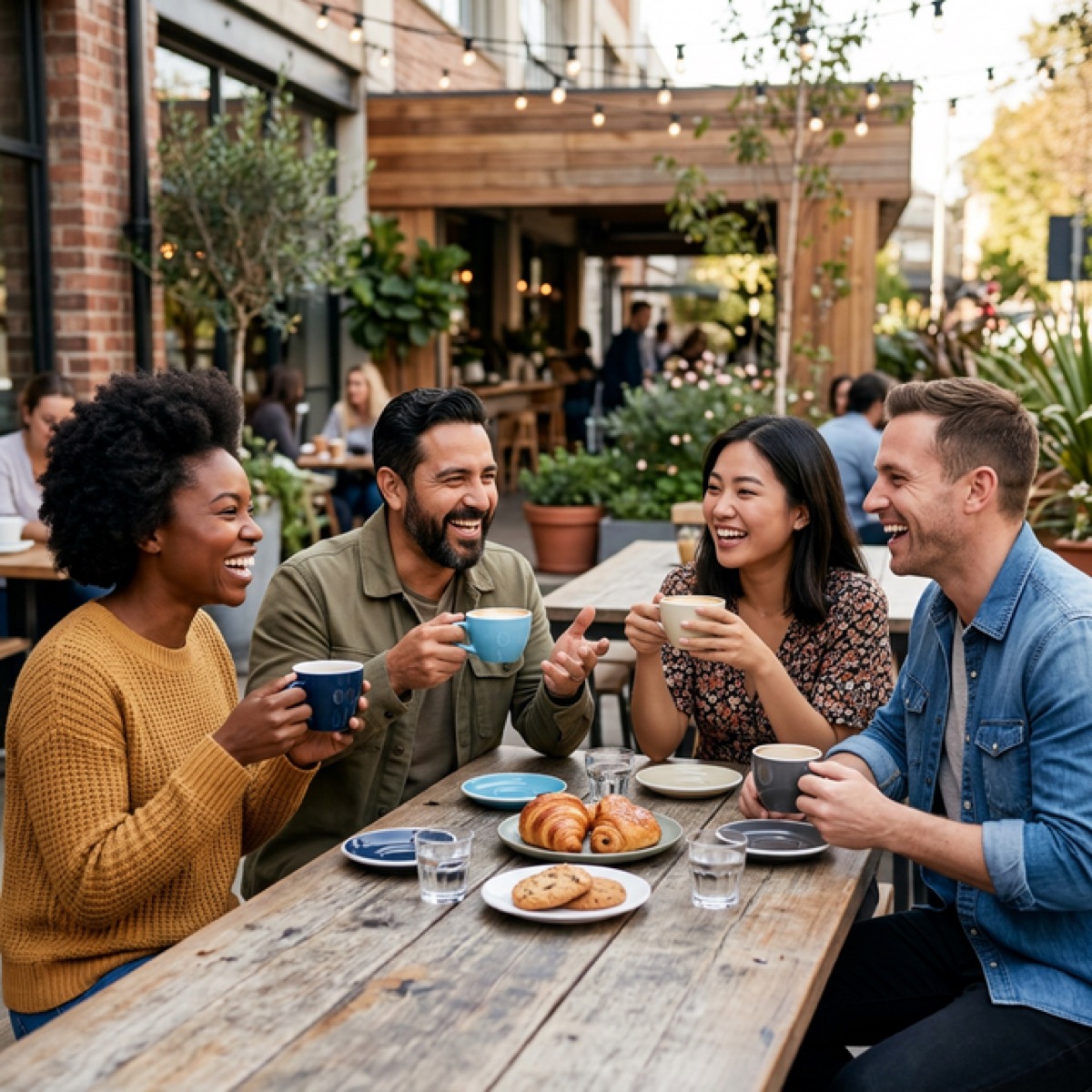
- Sober Pride events celebrate authentic connection, community, and identity pride without relying on substances.
- Building sober social networks strengthens recovery and creates sustainable alternatives to substance-centered celebration.
Pride Season: Celebration, Challenge, and Opportunity for Recovery
Pride season, typically spanning June but celebrated year-round in various forms, represents a crucial time for LGBTQ+ individuals to celebrate identity, community, and visibility. For most of the LGBTQ+ population, Pride celebrations strengthen belonging and identity pride. However, for individuals in recovery, Pride celebrations present a specific challenge: historically, Pride events have centered on bars, nightclubs, and party culture where substances are central.
The culture of substance use within some LGBTQ+ communities is rooted in complex history. For decades, bars and nightclubs were among the few spaces where LGBTQ+ individuals could be open about their identity. These spaces became central to community, belonging, and celebration. For someone in early recovery struggling with the fear of losing community and connection, Pride season can feel particularly isolating.
The good news is that Pride culture is evolving. Increasingly, Pride events include explicitly sober-friendly and substance-free programming. Community centers, recovery organizations, and LGBTQ+ businesses are creating Pride celebrations where identity affirmation and community building occur without substances. These events allow individuals to celebrate Pride fully and authentically while maintaining their recovery.
According to recent surveys, over 60 percent of LGBTQ+ individuals in major metropolitan areas actively seek sober Pride events and substance-free celebrations, indicating shift in community values.
Historical Context: Substances and LGBTQ+ Communities
Understanding the historical connection between substance use and LGBTQ+ community spaces helps contextualize the challenge Pride season presents for individuals in recovery. For much of history, bars were among the only spaces where LGBTQ+ individuals could gather openly. These spaces became central to community identity, celebration, and connection.
- Stonewall and early pride movements centered on bar culture and queer nightlife
- Lack of other community spaces made substance-centered venues centers of LGBTQ+ social life
- Community bonds and romantic connections often formed in these environments
- Substance use became normalized and intertwined with LGBTQ+ social identity for many
The Shift Toward Inclusive, Sober-Friendly Pride
Recognizing that many LGBTQ+ individuals are in recovery or choose not to use substances, Pride celebrations have increasingly incorporated sober and substance-free events. This shift reflects maturing of the community toward inclusivity that honors all members.
- Major Pride events now include designated sober zones and substance-free events
- Community centers coordinate drug-free Pride programming
- Businesses and organizations creating sober alternatives to traditional bar-centered celebrations
- Growing recognition that authentic celebration does not require substances
The Role of Recovery in Redefining Community Celebration
Recovery culture is reshaping how LGBTQ+ communities celebrate. Sober individuals bringing their authenticity, presence, and joy to celebrations create something powerful: community building that does not depend on substances.
- Recovering individuals modeling authentic joy and celebration
- Redefining Pride to include diverse ways of participating and celebrating
- Creating space for full identity expression without substances
- Strengthening community bonds through genuine connection
Finding and Participating in Sober Pride Events
Locating sober Pride events requires some research and planning, particularly in early recovery when visibility to trigger-rich environments feels important. The good news is that sober-friendly Pride programming is increasingly available throughout Southern California.
Whether you are newly in recovery or celebrating years of sobriety, participating in Pride while maintaining recovery requires intention and support. Planning ahead, building accountability, and connecting with other recovering individuals who also value Pride participation creates both safety and joy.
Start researching sober Pride events early in the season. Major events often have programming announcements in March and April. Having concrete plans helps reduce anxiety about the season.
Sober Pride Events in Orange County and Southern California
Orange County and the surrounding region host numerous sober-friendly and recovery-focused Pride events. The OC LGBTQ Center, LA LGBT Center, and community recovery organizations all coordinate programming.
- OC LGBTQ Center hosts substance-free Pride celebrations and LGBTQ+ community picnics
- LA LGBT Center coordinates recovery-focused Pride programming throughout Los Angeles
- Sober Pride parade floats and marching contingents for recovering individuals
- Recovery-themed Pride booth exhibitions and information tables
LGBTQ+ Community Center Pride Programming
Community centers typically expand programming during Pride season, coordinating events specifically designed for individuals in recovery and their allies. These programs maintain community celebration while ensuring substance-free environments.
- Daytime Pride activities including outdoor celebrations and community events
- Pride information sessions and resource fairs
- Recovery meetings held at community centers during Pride weekend
- Social events for recovering individuals and allies
Mainstream Pride Events with Sober Zones
Many large Pride celebrations now include designated sober zones and substance-free event components. These areas within larger Pride events provide celebration atmosphere while maintaining substance-free boundaries.
- Sober zones at major Pride parades and festivals
- All-ages Pride programming without substances or alcohol sales
- Family-friendly Pride events and daytime celebrations
- Community booths and information areas in sober designated spaces
Online Communities and Sober Pride Networks
Online platforms connect recovering individuals interested in Pride celebrations. Social media groups, forums, and apps help people find each other and organize sober Pride participation.
- Facebook groups dedicated to sober Pride and recovery celebrations
- Discord communities organizing sober Pride meetups and groups
- Reddit communities sharing resources and planning sober Pride participation
- Apps connecting recovering individuals for accountability during celebrations
Navigating Pride Season in Early Recovery
Early recovery, often the first 6-12 months, requires particular care during trigger-rich events like Pride season. For many individuals, Pride activates both the desire for celebration and the fear of losing community and identity expression if they maintain sobriety.
Navigating Pride season successfully in early recovery requires planning, support, and self-compassion. It is not weakness to limit Pride participation or to be selective about which events feel safe. Rather, thoughtful choices about Pride participation honor your recovery needs while still celebrating identity.
If you are in early recovery and feeling unsure about Pride participation, talk with your sponsor, therapist, or recovery counselor about creating a safe plan. This conversation is always valuable.
Planning Your Pride Season Recovery Strategy
Developing a specific plan for Pride season participation helps reduce anxiety and increases likelihood of maintaining recovery while celebrating. This plan might include identifying specific events, building accountability, and planning self-care.
- Identify specific sober events you want to attend before Pride season
- Schedule events in your calendar and plan transportation
- Line up friends or accountability partners who will attend with you
- Plan recovery activities including meetings or therapy sessions around Pride events
Building Accountability and Support Networks
Attending Pride events with trusted people—whether a sponsor, therapist, recovery friend, or community—provides grounding and support. Having people around you who know your recovery goals strengthens your ability to stay present and safe.
- Inviting sponsor or recovery friend to sober Pride events
- Planning to attend meetings before and after Pride celebrations
- Sharing your Pride plans with your treatment or recovery team
- Building community with other recovering individuals celebrating Pride
Identifying Triggers and Planning Self-Care
Pride season may activate specific triggers related to past substance use or identity processing. Identifying these ahead of time and planning alternative coping strategies helps navigate emotions and urges when they arise.
- Identifying specific people, places, or situations that feel triggering
- Planning healthy coping strategies like exercise, meditation, or creative activities
- Scheduling extra self-care and recovery support during Pride season
- Having crisis numbers and resources readily available
Finding Pride Celebration in Sober Community
One of the most powerful aspects of sober Pride participation is discovering authentic celebration within recovery community. Recovery pride is real pride: celebrating identity authentically, fully present and connected, within communities that understand your journey.
- Celebrating Pride with others in recovery shares depth of understanding
- Sober Pride allows full presence and authentic memory formation
- Recovery community celebrations honor authentic identity expression
- Building lasting friendships and community within sober networks
Long-Term Recovery and Evolving Pride Participation
As recovery becomes established, Pride participation often becomes more comfortable and less fraught. Many people find that after years of recovery, they can attend diverse Pride events while maintaining their sobriety. The key is that recovery capacity and choices evolve over time.
Building long-term recovery within LGBTQ+ communities means finding ways to celebrate identity, maintain community connection, and honor sobriety simultaneously. This looks different for every person, but the option to participate fully in LGBTQ+ cultural celebrations remains available.
Established Recovery and Diverse Pride Participation
People in established recovery (typically 2+ years sober) often find more flexibility in Pride participation. Some choose to maintain participation in substance-free events exclusively, others develop comfort attending diverse Pride events while maintaining personal boundaries.
- Attending Pride events with various populations while maintaining recovery
- Modulating level of participation based on personal risk factors and preferences
- Mentoring newer members in recovery about Pride navigation
- Serving as sober presence modeling authentic celebration
Giving Back: Mentoring and Community Leadership
Individuals with sustained recovery often find deep meaning in helping others navigate Pride season and maintain recovery. Volunteering with community centers, facilitating sober Pride events, and mentoring newer members honors your own recovery while strengthening community.
- Volunteering to coordinate or staff sober Pride events
- Serving as sponsor or mentor for individuals navigating early recovery
- Sharing your recovery story and Pride participation journey
- Leadership in recovery communities and organizations
Creating New Traditions: Sustainable Celebration in Sobriety
Over years of recovery, many individuals create personal Pride traditions that honor both identity and sobriety. These might include regular activities with recovery friends, specific sober events attended yearly, or new traditions developed within recovery community.
- Establishing annual Pride traditions within recovery community
- Creating new celebrations and rituals honoring identity in sobriety
- Building family and community traditions centered on authentic connection
- Finding joy and celebration in ways that honor your full self
Building Sober LGBTQ+ Community Year-Round
While Pride season represents a particular focus, building sober LGBTQ+ community throughout the year strengthens recovery and sustainable celebration. Regular connection with other recovering LGBTQ+ individuals throughout the year provides consistent support and community.
Community events, recovery meetings, social activities, and volunteer opportunities all create spaces for authentic LGBTQ+ connection without substances. As these communities grow stronger, Pride season becomes one particularly visible expression of ongoing community celebration rather than the only opportunity for affirmation.
Trust SoCal supports individuals in building these communities through our programming, referrals to community resources, and ongoing recovery support. We celebrate your identity and support your recovery every day, not just during Pride season. Call us at (949) 280-8360 to learn more about treatment and recovery community connection.

Amy Pride, MFTT
Marriage & Family Therapy Trainee