
Key Takeaways
- California probation conditions routinely include random urinalysis, breathalyzer screening, or hair follicle testing administered at any time without advance notice.
- Missing a scheduled or random drug test is treated the same as a positive result in most Orange County courtrooms — non-appearance is presumed non-compliance.
- A single positive test does not automatically result in incarceration; judges weigh treatment engagement, honesty, and prior compliance history when deciding sanctions.
- Enrolling in a licensed outpatient or residential treatment program immediately after sentencing demonstrates good faith and creates a documented record of recovery effort.
- Orange County Probation Department offers RSVP (Reintegration, Substance Abuse, Violence Prevention) and other specialty tracks that integrate testing with counseling services.
- Trust SoCal provides clinical documentation and court letter support to help clients demonstrate active treatment participation to probation officers and judges.
- Calling (949) 280-8360 before a violation escalates is always better than waiting — early intervention preserves options that disappear after a warrant is issued.
How Drug Testing Works Under California Probation
When a California court places an individual on probation for a drug- or alcohol-related offense, drug testing is almost universally imposed as a condition. The testing requirement appears in the probation order and is enforced jointly by the probation officer and, in supervised cases, the court itself. Unlike the relatively predictable testing schedules sometimes associated with employment drug screening, probation drug testing is specifically designed to be unpredictable. Random call-in systems, unannounced home visits, and mandatory appearance at testing sites with little notice are all standard tools in Orange County.
Understanding the mechanics of probation drug testing is not about finding ways to circumvent it — it is about knowing what you are legally obligated to do so you can protect yourself legally while also pursuing genuine recovery. Many individuals we serve at Trust SoCal in Fountain Valley arrive having violated probation unknowingly, because they misunderstood which substances were prohibited, which testing windows applied, or what constitutes a valid medical exemption. Clarity on these points is the foundation of compliance.
Orange County Probation Department offices are located throughout the county. Your reporting officer's contact information is listed on your probation order — keep this document accessible at all times.
Types of Tests Used in Orange County
The most common testing method is urine drug screening (urinalysis), which detects a panel of substances typically including amphetamines, methamphetamine, cocaine, opioids, benzodiazepines, marijuana, and PCP. Standard 5-panel and 10-panel tests are the baseline, but Orange County probation officers may order expanded panels for individuals with histories of specific substance use. Detection windows vary by drug: THC can remain detectable in urine for 30 or more days in regular users, while cocaine metabolites typically clear within 72 hours.
- Urine drug screen (UDS): most common, detects most substances within days to weeks of last use
- Breathalyzer testing: used for alcohol monitoring, sometimes in conjunction with SCRAM ankle monitor requirements
- Hair follicle testing: less common on probation but used when a longer detection window (up to 90 days) is warranted
- Saliva / oral fluid testing: increasingly used for roadside or field testing by probation officers
- Blood testing: rare outside DUI-specific probation conditions; most precise but most invasive
Prescription medications can trigger false positives on immunoassay-based urine screens. Always disclose all prescriptions to your probation officer in writing before your first test, and carry documentation from your prescribing physician.
Frequency and Randomization Protocols
Probation orders specify testing frequency as a minimum — for example, "at least twice monthly" — but the actual schedule is determined by the probation officer's discretion. High-risk probationers may be tested weekly or more; individuals with sustained clean records may have frequency reduced as a reward for compliance. Orange County uses an automated random selection call-in line for many standard cases, requiring individuals to call each morning to learn whether they must appear for testing that day.
- Standard frequency: two to four times per month for most drug-related probation conditions
- High-risk or intensive supervision probation: weekly or biweekly testing required
- Call-in systems typically require a response window of two to four hours from notification
- Relocation or travel requires advance written approval from the probation officer; testing obligations continue during approved travel
Consequences of Positive Tests and Missed Appointments
A positive drug test or a missed testing appointment constitutes a probation violation, which triggers a formal review process. The probation officer documents the violation and may file a report with the court, request a violation hearing, or in some cases initiate an arrest. The outcome of a violation hearing in Orange County Superior Court depends on multiple factors: the severity of the violation, the individual's overall compliance record, whether active treatment is in place, and the sentencing judge's philosophy toward substance-use violations.
The most protective thing a person can do when a positive test occurs — or when they know one is coming — is to contact their attorney immediately and, if not already enrolled in treatment, call a licensed provider such as Trust SoCal at (949) 280-8360 before the violation hearing. Demonstrating that a treatment intervention is already underway often transforms the court's approach from punitive to therapeutic. Judges consistently respond more favorably to individuals who acknowledged the problem and sought help versus those who minimized or concealed it.
Graduated Sanctions in Orange County Courts
California's approach to probation violations for substance use has increasingly shifted toward a continuum of graduated sanctions rather than automatic incarceration. Assembly Bill 1950 (2020) also reduced maximum probation terms for most felonies to two years and for misdemeanors to one year, limiting the overall exposure period. Within that window, courts may impose flash incarceration, increased reporting requirements, mandatory residential treatment, or electronic monitoring before reaching the most severe sanction of probation revocation and original sentence execution.
- Written warning from probation officer: least severe, documented in file
- Increased reporting frequency: weekly or daily check-ins added
- Flash incarceration: brief jail stay (typically two to ten days) as an immediate consequence
- Mandatory residential treatment: court orders placement in a licensed facility in lieu of incarceration
- Probation revocation hearing: may result in execution of original suspended sentence
The Role of Treatment Documentation in Violation Hearings
Defense attorneys consistently advise clients to obtain comprehensive documentation of treatment engagement before a violation hearing. This means more than an enrollment confirmation — it should include attendance records, a clinical summary from a licensed counselor, and, where possible, a letter from the treatment program director addressing the client's progress and prognosis. Trust SoCal's clinical team regularly prepares this documentation for clients navigating probation hearings in Orange County.
Request a "compliance letter" from your treatment provider at least one week before your violation hearing. Courts respond best to documentation that is current, signed by a licensed clinician, and addresses specific clinical goals.
Building a Sustainable Compliance Strategy
Long-term probation compliance is not primarily a legal problem — it is a behavioral and clinical one. The individuals who successfully complete probation without additional violations are those who build structured daily routines, maintain consistent therapeutic support, and develop honest communication habits with their probation officers. These are the same habits that support recovery, which is why integrating treatment and legal compliance is more effective than managing them separately.
At Trust SoCal, we work with clients to create individualized compliance calendars that map treatment appointments, required check-ins, testing availability windows, and court dates into a single visual system. This practical tool dramatically reduces the "I forgot" violations that derail otherwise motivated individuals. When clients also have the support of a consistent counselor who understands their legal situation, they can process the stress of probation in a healthy context rather than managing it alone.
Every time someone calls us in crisis about a probation issue, the first thing we tell them is: get into treatment today, not after the hearing. Judges notice the difference, and so do probation officers.
Communicating Proactively with Your Probation Officer
Probation officers in Orange County supervise large caseloads and have limited time for each client. The individuals who succeed are those who make their officer's job easier: they report as scheduled, they communicate changes (address, employment, medications) in advance, and they bring documentation of treatment participation to every check-in. Officers notice and report positive patterns to the court, and these reports directly influence decisions about early discharge from probation.
- Notify your officer in writing before any address or employment change — verbal notice is insufficient
- Bring your treatment attendance log to every check-in appointment
- If you test positive or miss a test, call your attorney first, then consider calling your officer before they contact you
- Request a modification of probation conditions if your circumstances change materially — courts prefer formal modification over non-compliance
Specialty Probation Programs in Orange County
Orange County offers several specialty probation tracks for individuals with substance use disorders. The Drug Treatment Court (DTC) operates as an alternative to standard probation and provides intensive support including frequent court appearances, regular drug testing, and coordinated treatment services. Participants who complete Drug Court receive significant legal benefits, including dismissal of charges in many cases. The RSVP (Reintegration, Substance Abuse, Violence Prevention) program provides structured group programming within the probation framework for eligible individuals.
Orange County Drug Court has documented completion rates above 50% and substantial reductions in recidivism among graduates. Ask your public defender or private attorney whether you are eligible for Drug Court referral — it is often the best legal and clinical outcome available.
How Trust SoCal Supports Probation Compliance
Trust SoCal's Fountain Valley facility operates as a licensed outpatient treatment center that accepts individuals at all stages of the legal process — from those just sentenced to probation to those who have experienced violations and are working to rebuild compliance. Our clinical team includes counselors with direct experience in court-ordered treatment and familiarity with Orange County's legal landscape. We coordinate directly with probation officers and defense attorneys when clients provide written authorization, ensuring that communication flows efficiently and accurately.
Our intensive outpatient program (IOP) operates on a schedule designed to accommodate work, school, and court obligations, meeting three to five days per week with both group and individual therapy components. We also offer standard outpatient (OP) for clients with stable recovery who need ongoing support without intensive programming. All levels of care include documented progress reports available to clients for legal proceedings. To speak with our admissions team about how we can support your probation compliance, call (949) 280-8360.
What to Bring to Your First Appointment
When you arrive at Trust SoCal for your initial assessment, bringing your probation paperwork helps us understand your legal obligations precisely. Your treatment plan will be structured to satisfy any court-specified requirements while also addressing your clinical needs. We will identify the specific conditions in your probation order that relate to treatment participation and build documentation practices that satisfy those requirements from day one.
- A copy of your probation order or any court order specifying treatment requirements
- Your probation officer's name and contact information
- Any prior treatment records or discharge summaries
- Insurance card or information about ability to pay
- A list of current medications and prescribing physicians
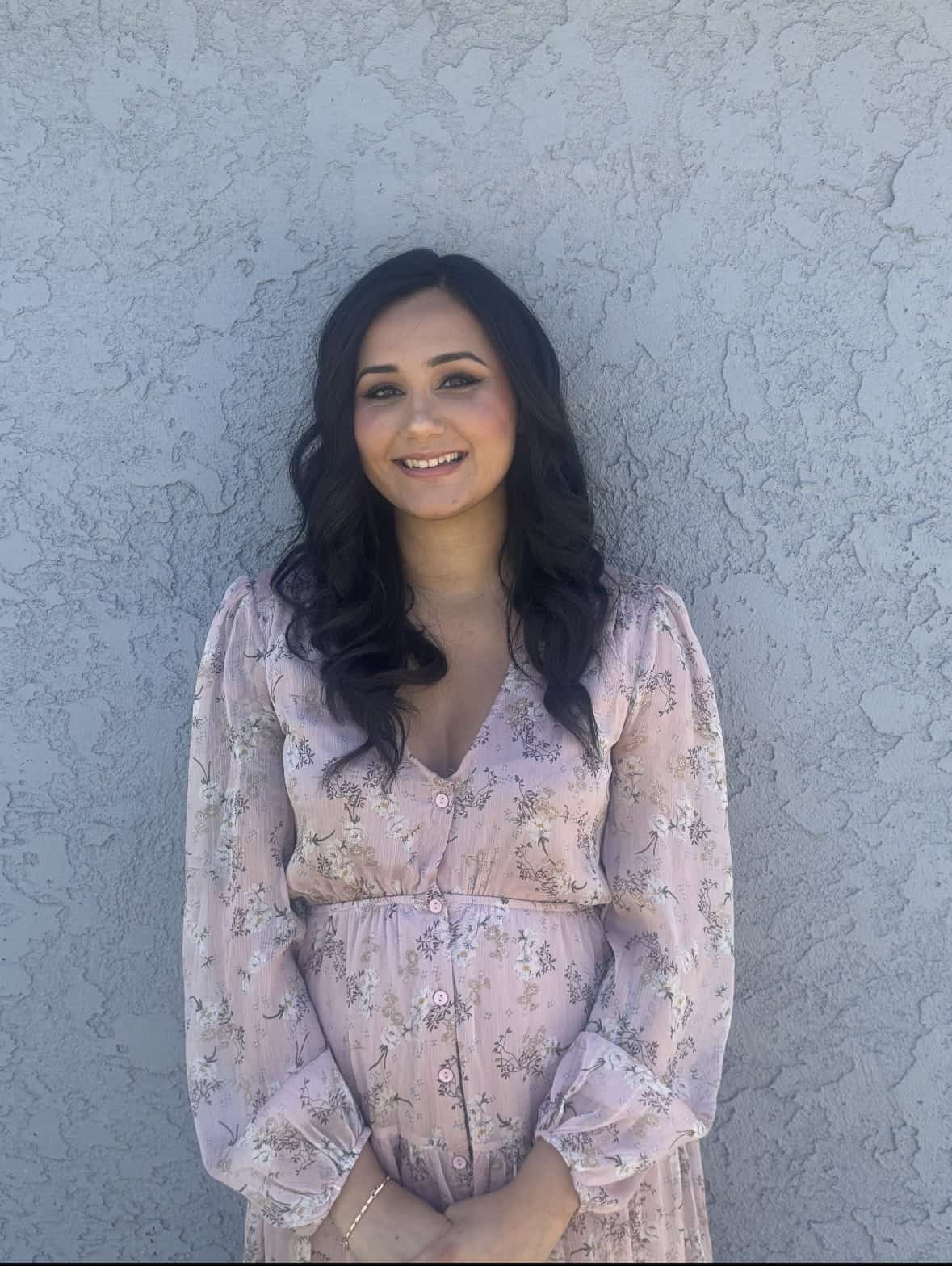
Rachel Handa, Clinical Director
Clinical Director & Therapist