Key Takeaways
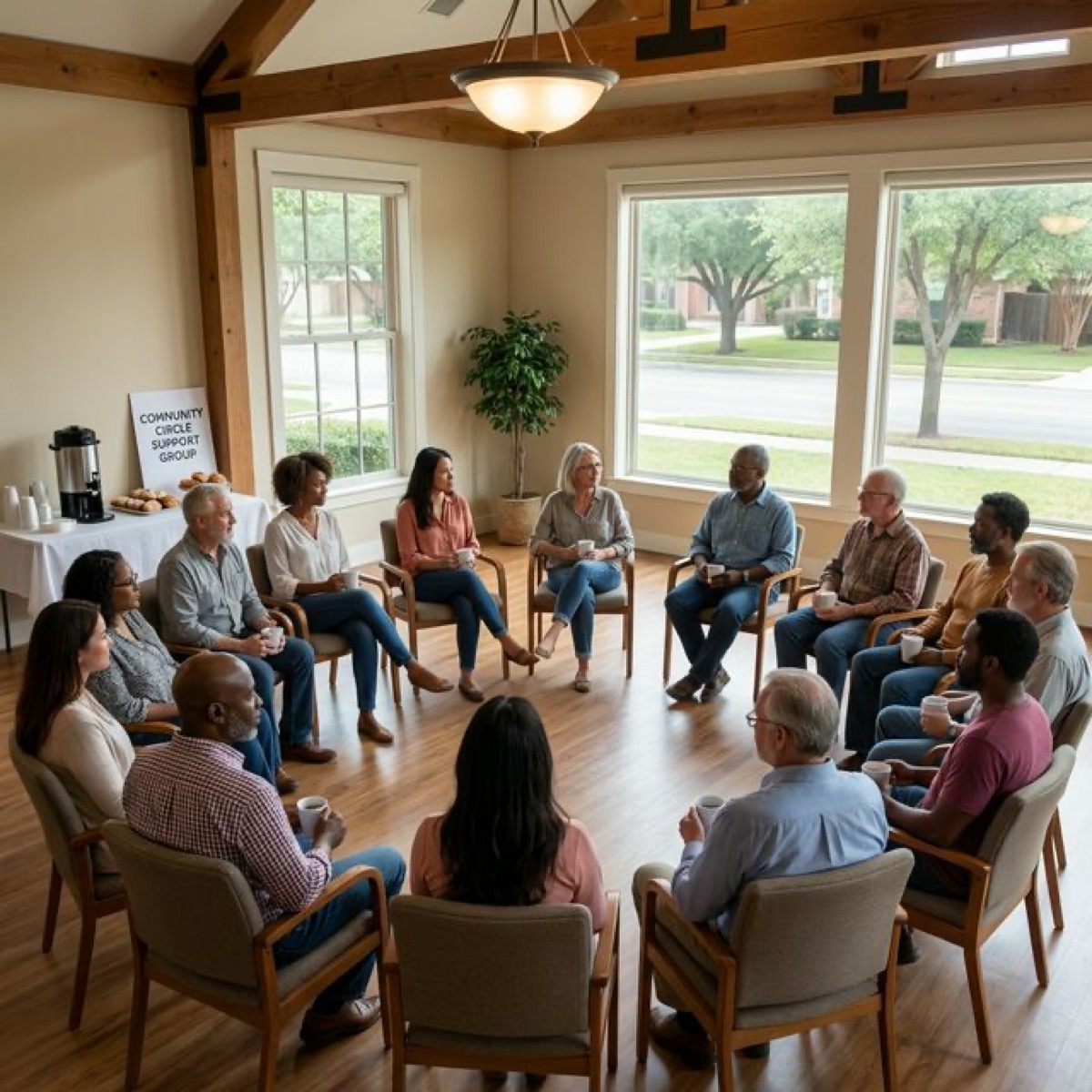
- Peer support groups including 12-step programs, SMART Recovery, Refuge Recovery, and faith-based groups meet throughout New Braunfels, Seguin, and surrounding Bexar County communities.
- Finding a "home group" where you attend regularly and develop connections significantly increases commitment to recovery.
- Sober living homes and recovery residences provide structured transitional environments for individuals stepping down from treatment.
- Peer support specialists and recovery coaches offer one-on-one support and practical life skills assistance.
- Employment services and educational programs help recovery-focused individuals rebuild careers and education paths.
- Integrating multiple layers of support—meetings, sober community, therapy, employment, and housing—creates overlapping protection against relapse.
Peer Support Groups Throughout Bexar County
The foundation of long-term recovery for most individuals is regular engagement with peer support groups. San Antonio, New Braunfels, Seguin, and surrounding Bexar County communities have hundreds of support group meetings weekly, providing community, accountability, hope, and practical guidance. These meetings are accessible, affordable or free, and available at various times including early mornings before work, lunch hours, evenings, and weekends.
Twelve-step programs like Alcoholics Anonymous (AA) and Narcotics Anonymous (NA) have served as the backbone of recovery support in the United States for decades. AA meetings focus on alcohol addiction recovery while NA addresses all drug addictions. Both programs emphasize peer support, spiritual growth, character development, and helping others. Many San Antonio residents and those from New Braunfels, Seguin, and other Bexar County communities find deep meaning and lasting sobriety through 12-step participation.
SMART Recovery (Self-Management and Recovery Training) offers a secular alternative to 12-step programs, emphasizing self-efficacy, cognitive-behavioral principles, and personal responsibility. SMART Recovery groups use tools like the four-point program (building motivation, coping with urges, managing thoughts and behaviors, living a balanced life) to support recovery. Refuge Recovery and Dharma Recovery offer Buddhist-inspired recovery approaches. Some San Antonio area communities have multiple recovery groups, while more rural Bexar County areas may have fewer options.
If one type of group does not resonate with you, try others. AA, SMART Recovery, Refuge Recovery, faith-based groups, and other recovery communities attract different personalities and preferences. Finding the right fit often makes the difference in sustained engagement.
Finding Recovery Meetings in Your Area
Locating recovery meetings in New Braunfels, Seguin, Boerne, and other Bexar County areas requires a bit of research but is easier than ever with online resources.
- AA.org and NA.org maintain searchable meeting directories organized by location and time.
- SMART Recovery (smartrecovery.org) lists meetings throughout Texas including Bexar County areas.
- Refuge Recovery and other groups have online meeting finders or Facebook groups where locals share meeting information.
- Many churches, community centers, hospitals, and treatment facilities host meetings and can provide current schedules.
- Calling local treatment centers or the SAMHSA National Helpline can connect you with meeting information.
Sober Living Homes and Recovery Residences
Sober living homes and recovery residences provide structured transitional housing for individuals who have completed primary treatment but are not yet ready to live independently. These homes offer 24-hour sober environments, peer support, structured daily activities, accountability through drug testing and house meetings, and connection to ongoing treatment and employment services. Sober living can bridge the gap between treatment discharge and stable independent living, particularly valuable for individuals with weak family support or high-risk home environments.
San Antonio and surrounding Bexar County communities have multiple sober living options operated by nonprofits, treatment centers, and private operators. Quality varies significantly. The National Alliance for Recovery Residences (NARR) and the Texas Recovery-Oriented Housing Network certify homes meeting minimum standards for safety, structure, and resident support. When selecting a sober living home, inquire about house rules, occupancy limits, drug testing frequency, staff qualifications, connections to ongoing treatment, and cost.
Certified recovery residences maintain higher standards and provide more accountability than uncertified homes. Prioritize NARR-certified or state-certified options when available.
Peer Support Specialists and Recovery Coaches
Peer support specialists and recovery coaches are individuals in recovery who are trained to provide one-on-one support, practical life skills coaching, and connection to community resources. Unlike traditional therapists who maintain professional distance, peer supporters bring the credibility of lived experience and often develop deeper human connections with those they support. Many Texas Medicaid programs now cover peer support services, making them accessible to low-income Bexar County residents.
Peer support can help with practical challenges like job searching, housing applications, navigating benefit programs, managing relationships, and building healthy routines. Regular contact with a peer support specialist provides continuity between treatment discharge and community reintegration.
Employment and Educational Support
Rebuilding employment and education is critical to sustained recovery. New Braunfels, Seguin, and San Antonio area organizations provide employment assistance including resume development, job interview preparation, job placement, and ongoing employment coaching. Some programs specifically serve individuals with criminal histories or gaps in employment due to addiction.
Educational programs help recovery-focused individuals complete high school diplomas, attend community colleges, or pursue vocational training. Vocational rehabilitation programs through Texas Workforce Commission can help individuals rebuild education and careers.
Re-engaging in work or education provides structure, purpose, identity, and financial independence—all protective factors for sustained recovery.
Mental Health and Psychiatric Support
Many individuals in recovery have co-occurring mental health conditions including depression, anxiety, PTSD, bipolar disorder, or ADHD. Accessing psychiatric care and ongoing therapy supports overall mental health and decreases relapse risk. San Antonio and Bexar County have multiple mental health providers, though finding someone experienced in dual diagnosis treatment and recovery-oriented care is important.
Community Organizations and Recovery Resources
Various San Antonio and Bexar County organizations support recovery beyond peer meetings and housing. The Council on Recovery San Antonio provides recovery support services. Local health departments and Federally Qualified Health Centers offer behavioral health services. Faith-based organizations provide recovery programming. Community colleges offer educational opportunities. These layered resources create the infrastructure for sustained community-based recovery.

Trust SoCal Editorial Team, Clinical Review Board
Editorial & Clinical Review