Key Takeaways
- Rural Illinois faces severe methamphetamine epidemic affecting small communities
- Treatment infrastructure in rural Illinois limited compared to urban areas
- Transportation and geographic distance create rural treatment access barriers
- Telemedicine and online counseling expand rural treatment access
- Intensive out-of-state treatment addresses rural treatment limitations
Methamphetamine Epidemic in Rural Illinois
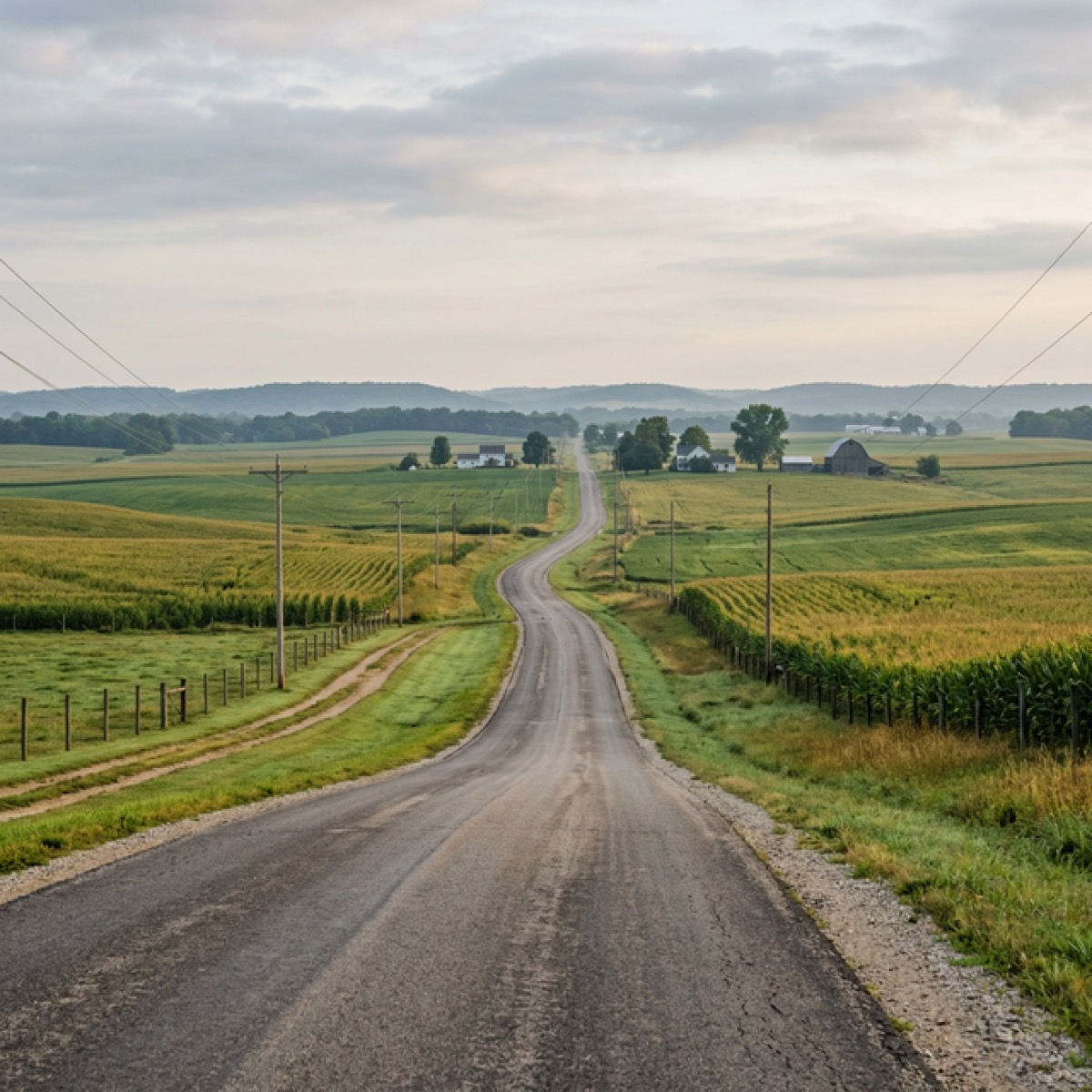
Rural Illinois communities face severe methamphetamine epidemic creating public health crisis in small towns. Meth production in rural areas combined with distribution networks makes methamphetamine widely available in rural communities. Rural meth use affects farmers, service workers, and vulnerable populations struggling with economic hardship. The drug's stimulant effects appeal to individuals seeking energy for physical labor, but rapid addiction leads to devastating consequences.
Rural communities often lack resources to address meth epidemic effectively. Limited law enforcement capacity, minimal treatment infrastructure, and stigma around addiction create environment where meth use flourishes. Community institutions including schools, employers, and local government struggle with addiction consequences without adequate response capacity. Recognition of rural meth crisis drives need for specialized rural treatment approaches.
Rural Illinois methamphetamine epidemic creates crisis-level public health challenge. Limited treatment infrastructure requires creative solutions for rural addiction treatment.
Treatment Access Barriers in Rural Illinois
Rural Illinois residents face significant barriers to addiction treatment including limited local treatment programs, geographic distance to specialized care, transportation challenges, and limited mental health providers. Rural areas often lack residential treatment facilities requiring travel to urban centers for intensive programming. Limited specialist availability means many rural individuals cannot access medication-assisted treatment, psychiatric care, or specialized dual diagnosis treatment.
Insurance limitations, financial constraints, and limited treatment funding in rural areas create additional barriers. Rural residents may lack knowledge about available treatment options or stigma around treatment may prevent treatment seeking. Understanding barriers enables identifying solutions and alternative treatment pathways for rural individuals.
Rural Illinois treatment barriers require creative solutions including telemedicine, online counseling, and intensive out-of-state treatment options.
Telemedicine and Online Treatment Options for Rural Communities
Telemedicine and online counseling expand treatment access for rural Illinois residents unable to access local services. Video-based psychiatric evaluation and medication management enable rural individuals to receive specialized care without traveling. Online support groups and virtual counseling sessions provide addiction treatment to geographically isolated communities. Telemedicine removes geographic barriers enabling rural treatment access.
Buprenorphine prescribing through telemedicine services enables medication-assisted treatment for rural opioid addiction without requiring local MAT clinics. Trained providers in rural areas can prescribe buprenorphine for maintenance treatment coordinated with telehealth providers. Understanding telemedicine options enables rural individuals to access treatment previously unavailable in rural communities.
Telemedicine Treatment Services
Multiple telemedicine platforms provide addiction and mental health treatment to rural communities. Understanding available services enables rural treatment access.
- Video-based psychiatric evaluation and medication management
- Telehealth buprenorphine prescribing for MAT
- Online individual and group counseling sessions
- Virtual recovery support groups and peer community
- Coordinated care between rural and specialist providers
Community-Based Treatment and Recovery Support
Community-based treatment approaches adapted for rural areas address local barriers while building on rural community strengths. Rural recovery mutual aid groups, faith-based recovery programs, and community health worker models provide treatment support. Peer recovery specialists from rural communities enhance treatment engagement by reducing stigma and building trust.
Rural community institutions including churches, civic organizations, and local health departments can support recovery by reducing stigma and building recovery infrastructure. Community coalitions addressing meth epidemic provide education, prevention, and treatment coordination. Leveraging rural community strengths alongside formal treatment creates comprehensive recovery support.
Community-based treatment adapted for rural culture and strengths enhances rural recovery outcomes.
Intensive Out-of-State Treatment for Rural Illinois Residents
Many rural Illinois residents benefit from intensive residential treatment in California providing comprehensive care unavailable locally. Intensive out-of-state treatment removes individuals from rural drug environments, provides access to specialized multidisciplinary teams, and enrolls individuals in evidence-based programming. Geographic separation combined with intensive treatment creates breakthrough recovery conditions rural programs alone cannot match.
Trust SoCal specializes in treating rural community residents with understanding of rural barriers, cultural factors, and integration needs. Our team coordinates with rural healthcare providers, develops rural reintegration plans, and supports continued access to telemedicine services. Call (949) 280-8360 to discuss intensive treatment options for rural Illinois residents.
Treatment in California broke meth addiction I couldn't escape in rural Illinois. Intensive care combined with later telemedicine support created lasting recovery.
— Rural Illinois resident in meth recovery
Medication-Assisted Treatment in Rural Settings
Medication-assisted treatment (MAT) can be provided in rural communities through trained rural providers coordinating with specialist oversight. Rural health clinics, FQHCs (Federally Qualified Health Centers), and rural hospitals increasingly offer buprenorphine through trained providers. Understanding MAT options in rural areas enables opioid addiction treatment without requiring urban travel.
Nurse practitioners and physician assistants in rural settings can receive buprenorphine training enabling local MAT provision. Coordinating rural providers with telemedicine psychiatrists ensures medication optimization. Rural MAT combined with online counseling provides complete opioid addiction treatment for rural communities.
Expanding MAT Access in Rural Illinois
Rural provider training and telemedicine coordination expand MAT access in rural communities. Understanding rural MAT models enables local treatment access.
- Training rural healthcare providers in buprenorphine prescribing
- Rural health center MAT programs
- Coordinated care with telemedicine psychiatrists
- Rural pharmacy support for buprenorphine dispensing
- Integration with local counseling and recovery support

Trust SoCal Editorial Team, Clinical Review Board
Editorial & Clinical Review