Key Takeaways
- Oahu offers dozens of free and low-cost sober activities including hiking, beach recreation, cultural events, and community sports that support recovery lifestyles.
- Recovery community organizations on Oahu host regular sober social events, outdoor adventures, and fellowship gatherings throughout the year.
- Replacing substance-centered social patterns with healthy activities is essential for preventing relapse and building a fulfilling life in sobriety.
- Volunteering with environmental, cultural, and community organizations on Oahu provides purpose and social connection that supports long-term recovery.
- Physical fitness communities including CrossFit, yoga, and paddling clubs offer structured sober social networks on the island.
- If you need help building a recovery plan before returning to Oahu, contact Trust SoCal at (949) 280-8360 for comprehensive treatment.
Why Sober Activities Matter for Addiction Recovery on Oahu
Recovery from addiction involves far more than simply stopping substance use. Building a sustainable sober lifestyle requires intentionally replacing the activities, social connections, and emotional coping patterns that previously revolved around drugs or alcohol with healthy alternatives that provide genuine fulfillment. On Oahu, where social drinking is deeply embedded in tourism culture and pau hana traditions, and where geographic isolation can intensify feelings of boredom and restlessness, identifying and pursuing sober activities is especially critical for maintaining long-term recovery.
The good news is that Oahu offers an extraordinary abundance of free and low-cost activities that are inherently rewarding without alcohol or drugs. The island's natural beauty, year-round tropical climate, rich cultural heritage, and diverse communities create an environment where sober living can be genuinely exciting and fulfilling. The challenge lies not in finding activities but in building the habits, social connections, and routines that make sober engagement a consistent part of daily life rather than an occasional effort.
Research on relapse prevention consistently identifies boredom, social isolation, and lack of structured activity as primary triggers for substance use recurrence. Individuals who develop regular participation in sober activities during and after treatment demonstrate significantly lower relapse rates than those who attempt to maintain sobriety without replacing substance-centered routines. On Oahu, the island lifestyle naturally supports an active, outdoor-oriented approach to living that aligns perfectly with recovery principles.
Studies in the Journal of Substance Abuse Treatment found that individuals who engaged in at least three structured sober activities per week during the first year of recovery had 60% lower relapse rates compared to those who did not establish regular healthy routines.
The Role of Dopamine Replacement in Recovery
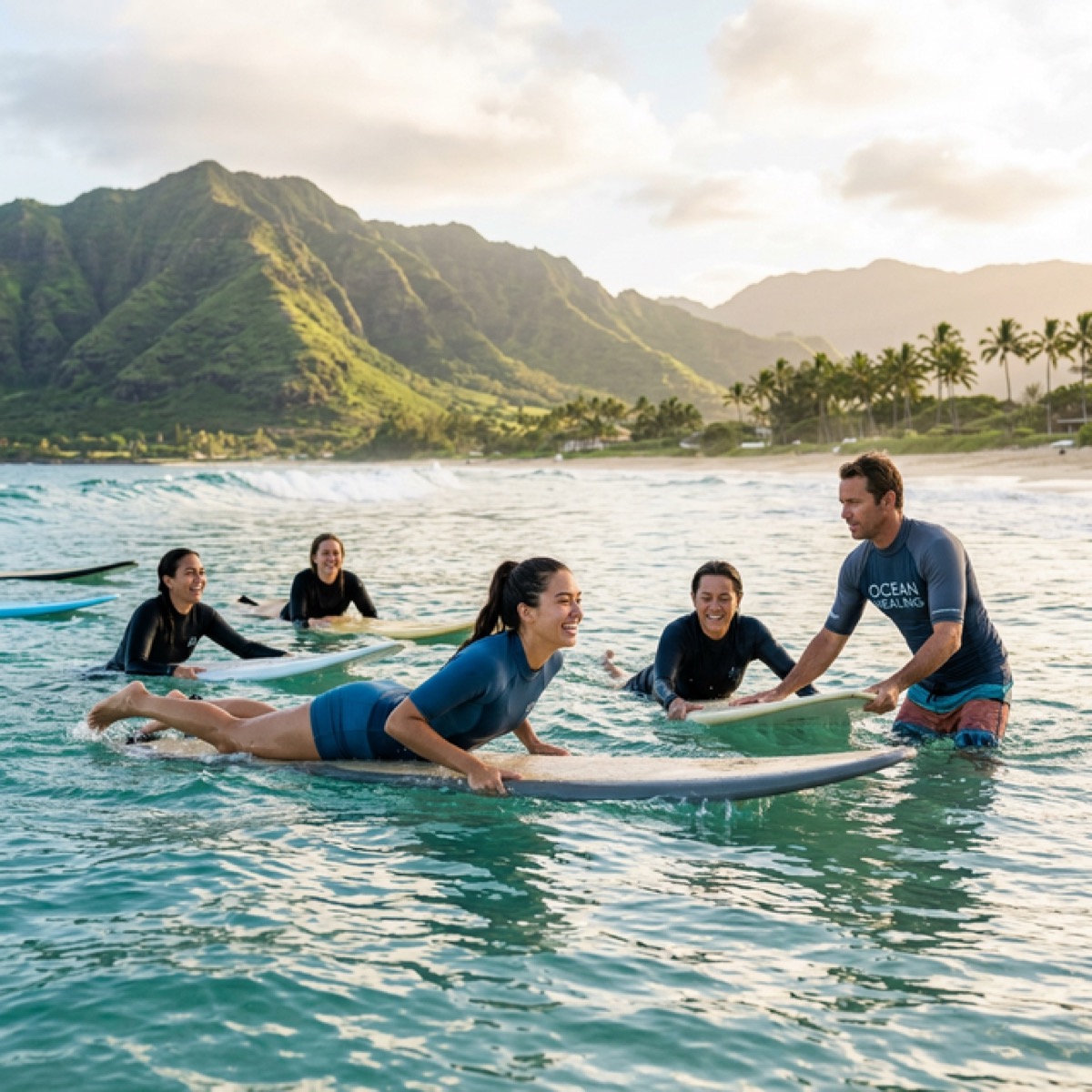
Addiction hijacks the brain's reward system, training it to associate pleasure primarily with substance use. In recovery, the brain must relearn how to experience reward from natural activities. Physical exercise, social connection, creative expression, and achievement all produce dopamine through healthy pathways. On Oahu, activities like hiking to a summit viewpoint, catching a wave, completing a paddle race, or contributing to a beach cleanup all trigger natural dopamine release that gradually rewires reward circuitry.
- Physical activities like hiking and surfing produce natural endorphin and dopamine release that helps heal reward pathways
- Social connection through sober community groups activates oxytocin pathways that reduce isolation and craving
- Achievement-oriented activities like learning new skills or completing fitness challenges rebuild self-efficacy damaged by addiction
- Creative expression through art, music, or cultural participation provides emotional outlet and meaningful engagement
Social Network Restructuring
One of the most challenging aspects of recovery on Oahu is restructuring social networks. Many individuals' friendships and social activities were centered on substance use. Building new sober friendships through shared activities is essential for sustained recovery. Oahu's community-oriented culture and abundant group activity options facilitate this social restructuring process.
- Joining activity-based groups creates natural friendships not centered on substance use
- Recovery community events provide safe social environments for individuals at all stages of sobriety
- Team-based activities like paddling and hiking groups build accountability relationships
Combating Island Isolation and Boredom
Geographic isolation on an island can intensify feelings of being trapped or bored, both significant relapse triggers. Proactively building a diverse calendar of sober activities combats these feelings by creating structure, anticipation, and engagement. Oahu residents in recovery benefit from maintaining a weekly schedule that includes physical, social, creative, and service-oriented activities.
- Weekly activity schedules provide structure that prevents idle time, a common relapse trigger
- Diverse activities across categories prevent monotony and maintain engagement over time
- Planning activities in advance creates positive anticipation that counters depressive states
Outdoor Adventures and Hiking on Oahu
Oahu's dramatic landscape offers some of the most spectacular hiking in the United States, all accessible without any admission cost. From ridge trails with panoramic views of the Ko'olau Mountains to coastal walks along turquoise waters, hiking on Oahu provides physical exercise, natural beauty, meditative solitude, and opportunities for social connection, all powerful supports for addiction recovery.
Hiking groups specifically welcoming individuals in recovery exist on Oahu, and many general hiking communities embrace sober participation. The physical challenge of Oahu's trails, many featuring significant elevation gain and technical terrain, provides the kind of accomplishment-based reward that helps rebuild self-confidence eroded by addiction.
Start with easier trails like the Makapuu Lighthouse Trail or Manoa Falls and build up to more challenging hikes like Koko Head Stairs or Olomana Ridge as your fitness improves. Hiking with a buddy or group is safer and provides built-in social connection.
Top Recovery-Friendly Hikes on Oahu
The following hikes are popular among individuals in recovery for their accessibility, beauty, and the natural high they provide. Each offers a different type of experience, from meditative forest walks to challenging summit ascents that test and build physical and mental resilience.
- Diamond Head Summit Trail: Iconic 1.6-mile round-trip hike with crater views and ocean panoramas, accessible for all fitness levels
- Koko Head Stairs: Challenging 1,048-step railway incline that builds mental toughness and provides incredible sunrise views
- Lanikai Pillbox Trail: Moderate hike with stunning views of the Mokulua Islands and Lanikai Beach from military bunker viewpoints
- Manoa Falls Trail: Serene 1.6-mile rainforest walk leading to a 150-foot waterfall, ideal for meditative hiking
- Ka'ena Point Trail: Flat coastal trail at Oahu's westernmost point where albatross nest and monk seals rest, offering wilderness solitude
Hiking Groups and Meetups
Several hiking groups on Oahu welcome individuals in recovery and organize regular outings. These groups provide pre-planned routes, safety in numbers, and the social connection that supports sobriety. Many meet weekly or biweekly and accommodate various fitness levels.
- Sierra Club Hawaii organizes regular group hikes across Oahu open to all experience levels
- Recovery-oriented hiking meetups can be found through local AA/NA communities and online recovery forums
- The Hawaiian Trail and Mountain Club hosts weekend hikes emphasizing conservation and community
Safety Considerations for Hiking in Recovery
Hawaii's hiking trails require preparation and awareness. Individuals in early recovery may have diminished physical fitness and should start gradually. Hydration, sun protection, appropriate footwear, and trail awareness are essential. Never hike alone in remote areas, and always inform someone of your planned route and expected return time.
- Carry at least two liters of water per person on any Oahu hike due to tropical heat and humidity
- Wear sunscreen and a hat since many trails have limited shade and UV exposure is intense in Hawaii
- Start with shorter, well-maintained trails and progress to more challenging routes as fitness improves
- Download offline trail maps since cell service is unreliable on many Oahu trails
Cultural Events and Arts in Recovery
Oahu's rich cultural landscape provides abundant opportunities for sober engagement with Hawaiian history, arts, music, and community traditions. From free hula performances and art walks to museum visits and cultural festivals, Honolulu offers a vibrant calendar of substance-free cultural activities. Engaging with culture provides meaning, identity, and community connection that supports recovery.
For individuals in recovery, cultural participation offers particular benefits. Creative expression through art, music, and dance provides emotional outlet. Learning about Hawaiian history and culture provides perspective and context for one's own life journey. Community cultural events provide social engagement in environments where substance use is not the central activity.
Free and Low-Cost Cultural Activities
Honolulu hosts numerous free cultural events throughout the year that provide enriching sober entertainment. These events celebrate Hawaiian culture, diverse immigrant traditions, and contemporary arts, creating a rich tapestry of experiences accessible regardless of financial situation.
- First Friday Art Walk in Chinatown features gallery openings, live music, and street performances on the first Friday of each month
- The Bishop Museum offers exhibits on Hawaiian culture, natural history, and Pacific Island heritage at reduced cost for Hawaii residents
- Free hula performances at Kuhio Beach in Waikiki occur multiple evenings per week and celebrate traditional Hawaiian dance
- The Honolulu Museum of Art offers free admission days and hosts cultural programming, film screenings, and community events
- Annual festivals including the Honolulu Festival, Aloha Festivals, and Makahiki Season events provide vibrant cultural celebration without substance-centered activities
Creative Expression in Recovery
Art, music, and creative writing provide powerful outlets for emotional processing during recovery. Oahu offers numerous classes, open mics, community studios, and creative groups where individuals can explore artistic expression in supportive environments.
- Community art studios in Kailua and Honolulu offer drop-in classes in painting, ceramics, and mixed media
- Open mic nights at coffee shops and community centers provide performance opportunities without bar environments
- Ukulele groups and community music ensembles welcome beginners and provide social creative expression
Learning Hawaiian Language and Culture
Studying Hawaiian language, history, and cultural practices provides deep engagement with place and community that enriches recovery. Several organizations offer free or low-cost Hawaiian language classes, cultural workshops, and educational programs open to all community members.
- Hawaiian language classes at community colleges and cultural centers connect learners with Hawaiian identity and values
- Cultural workshops teaching traditional crafts like lei making, lauhala weaving, and kapa cloth provide meditative creative engagement
- Volunteering at Hawaiian cultural sites like Iolani Palace or Polynesian Cultural Center combines service with cultural learning
Fitness Communities and Physical Wellness
Physical fitness plays a critical role in addiction recovery by rebuilding health damaged by substance abuse, providing natural mood enhancement through exercise, and creating social networks centered on wellness. Oahu's fitness culture is vibrant and accessible, with options ranging from free outdoor workout groups to structured gym communities, yoga studios, and competitive sports leagues.
The connection between exercise and recovery is well-documented. Regular physical activity reduces cravings, improves sleep, alleviates depression and anxiety, and builds discipline and self-efficacy. On Oahu, the year-round tropical climate enables consistent outdoor exercise without the seasonal barriers that limit activity in mainland climates.
If you are in early recovery, consult with your physician before beginning an intense exercise program. Substance abuse may have affected your cardiovascular health, nutritional status, and physical capacity. Start gradually and increase intensity progressively.
Free Outdoor Fitness Options
Oahu offers numerous free outdoor fitness opportunities that require no gym membership or special equipment. Beach workouts, park fitness groups, and public facility access make physical wellness accessible to everyone regardless of financial situation.
- Koko Head Stairs provides a free, intense stair-climbing workout with a strong community of regulars who offer encouragement and accountability
- Ala Moana Beach Park features flat running and walking paths, outdoor exercise equipment stations, and open grass areas for yoga and stretching
- Free outdoor bootcamp and yoga groups meet regularly at parks and beaches across Oahu, often organized through social media
- Public swimming pools in Honolulu offer lap swimming at minimal cost for residents
Yoga and Mindfulness Communities
Yoga and mindfulness practices are strongly aligned with recovery principles including present-moment awareness, emotional regulation, and physical self-care. Oahu's yoga community is welcoming and diverse, with options ranging from donation-based beach yoga to studio classes and recovery-specific yoga programs.
- Beach yoga classes at Ala Moana and Waikiki provide free or donation-based practice in beautiful settings
- Several Honolulu yoga studios offer karma or community classes at reduced rates for individuals in recovery or financial hardship
- Recovery-focused yoga programs integrate breathwork, meditation, and physical practice specifically designed for addiction healing
Competitive and Team Sports
Team sports provide structured social engagement, accountability, and healthy competition that supports recovery. Oahu's sports leagues and recreation programs welcome adult participants across skill levels in everything from basketball and soccer to paddling and volleyball.
- Adult recreational sports leagues organize through the City and County of Honolulu parks department
- Beach volleyball at courts across Oahu provides casual social exercise accessible to all skill levels
- Running clubs and road race events create goal-oriented fitness communities with regular training schedules
Volunteering and Service Work in Recovery on Oahu
Service work is a foundational element of many recovery programs, and Oahu offers abundant volunteer opportunities that provide purpose, social connection, and the profound satisfaction of contributing to community well-being. Volunteering shifts focus from self-centered thinking patterns associated with addiction to outward-focused concern for others and the environment. This shift in perspective is consistently associated with improved recovery outcomes.
On Oahu, volunteer opportunities span environmental conservation, community service, cultural preservation, social services, and emergency preparedness. Many organizations welcome volunteers without extensive background checks or time commitments, making participation accessible even for individuals in early recovery or with criminal justice involvement related to their addiction.
Environmental and Beach Conservation
Beach cleanup and environmental conservation volunteering is particularly popular on Oahu and provides the dual benefits of outdoor activity and meaningful service. Organizations like the Surfrider Foundation, Sustainable Coastlines Hawaii, and numerous local groups organize regular cleanup events that are welcoming, social, and deeply satisfying.
- Sustainable Coastlines Hawaii organizes large-scale beach cleanups with community meal and social component after each event
- Surfrider Foundation Oahu Chapter hosts monthly beach cleanups at rotating locations across the island
- Native plant restoration at Ka'ena Point, Kawainui Marsh, and other conservation areas combines outdoor exercise with environmental stewardship
Community Service Organizations
Community service organizations on Oahu welcome volunteers for food distribution, housing assistance, youth mentoring, and other direct service activities. These opportunities provide structure, purpose, and the deep reward of helping others.
- Hawaii Foodbank distributes millions of pounds of food annually and relies on volunteer support for warehouse and distribution operations
- Habitat for Humanity Oahu provides construction volunteering that builds skills and community housing
- Mentoring programs for at-risk youth offer experienced recovery individuals opportunities to share hope and guidance
Recovery Community Service
Service within the recovery community itself is a powerful form of volunteering that directly supports sobriety. Helping others in recovery by sharing experience, staffing helplines, welcoming newcomers, and maintaining meeting spaces provides the meaningful purpose that sustains long-term sobriety.
- AA, NA, and other 12-step groups on Oahu always need members to chair meetings, sponsor newcomers, and coordinate events
- Recovery centers and sober living homes welcome volunteer support for activities, transportation, and peer support
- Speaking at treatment centers and community events about recovery provides powerful service and personal reinforcement
Getting Help Starting Your Recovery Journey
If you are still using substances and want to begin building a sober lifestyle on Oahu, the first step is accessing professional addiction treatment. The sober activities described in this guide are most effective when built upon a foundation of clinical treatment that addresses the physical, psychological, and social dimensions of addiction. Treatment provides the tools and stability needed to engage meaningfully in recovery activities.
Whether you choose local treatment on Oahu or intensive mainland treatment at a facility like Trust SoCal in Fountain Valley, California, beginning the process today opens the door to all the fulfilling sober experiences Oahu has to offer. Call Trust SoCal at (949) 280-8360 for confidential guidance on treatment options and insurance verification.
You do not need to have everything figured out before seeking help. Call Trust SoCal at (949) 280-8360 and our team will help you understand your options, verify insurance, and develop a plan tailored to your specific situation and goals.
Local Treatment Resources on Oahu
Oahu offers treatment programs across the care spectrum. Local resources include hospital-based detox at Queen's Medical Center, residential programs at Hina Mauka and Bobby Benson Center, outpatient clinics throughout Honolulu, and peer support through AA, NA, and SMART Recovery meetings held daily across the island.
- Queen's Medical Center provides medical detoxification and psychiatric stabilization in downtown Honolulu
- Hina Mauka in Kaneohe offers residential and outpatient treatment programs with decades of community service
- AA and NA meetings occur daily at dozens of locations across Oahu, providing free peer support
Mainland Treatment at Trust SoCal
For individuals who need more intensive treatment or geographic separation from their using environment, Trust SoCal in Fountain Valley, California, provides comprehensive addiction treatment with medical detox, residential care, and outpatient programming. Trust SoCal assists Hawaii residents with travel logistics and insurance coordination.
- Comprehensive treatment including medical detox, residential, and outpatient programs
- Travel assistance and insurance verification for Hawaii residents at (949) 280-8360
- Aftercare planning includes connection to sober activity resources upon return to Oahu
Building Your Recovery Activity Calendar
Once in recovery, work with your treatment team or sponsor to build a weekly activity calendar incorporating physical, social, creative, and service activities. Start with one or two activities per week and gradually expand. The goal is to create a life so full and fulfilling that returning to substance use would mean giving up things you genuinely value.
- Identify one physical activity, one social event, and one service opportunity to start your weekly calendar
- Try multiple activities before committing to find those that genuinely engage and energize you
- Include at least one recovery meeting or fellowship activity per week for accountability and support

Trust SoCal Editorial Team, Clinical Review Board
Editorial & Clinical Review