Key Takeaways
- Sober living homes provide structure, accountability, and peer support during the critical transition from treatment to independent living.
- Riverside County has a growing network of certified sober living homes in cities like Riverside, Corona, Temecula, and Murrieta.
- Monthly costs typically range from $500 to $2,500 depending on location, amenities, and level of support provided.
- Quality homes require residents to maintain sobriety, attend recovery meetings, and contribute to household responsibilities.
- Completing a treatment program before entering sober living significantly improves long-term recovery outcomes.
What Is Sober Living and Why Does It Matter?
Sober living homes occupy a critical space in the recovery continuum between structured residential treatment and fully independent living. These homes provide a substance-free environment where individuals in early recovery can practice the skills they learned in treatment while gradually rebuilding their daily routines, employment, and social connections. Research consistently shows that individuals who transition through sober living after completing treatment have significantly better long-term sobriety rates than those who return directly to their previous living situations.
In Riverside County, the sober living landscape has expanded considerably over the past decade in response to growing demand for recovery housing. Homes are available in communities throughout the western portion of the county, including Riverside, Corona, Norco, Moreno Valley, Temecula, and Murrieta. Each home operates under its own set of rules and structure, though common requirements include maintaining sobriety, attending house meetings, submitting to random drug testing, and contributing to household chores.
The Inland Empire's relatively affordable cost of living compared to coastal Orange County and Los Angeles makes sober living an attractive option for individuals who need ongoing support without the financial burden of premium coastal housing. Many residents of sober living homes in Riverside County work locally while continuing outpatient treatment at facilities in the area or in neighboring Orange County.
Types of Sober Living Homes in Riverside County
Sober living homes in Riverside County range from basic shared housing to structured recovery residences with clinical support. Understanding the different levels helps you choose a home that matches your needs and stage of recovery.
Level I: Peer-Run Homes
Level I sober living homes are democratically run by the residents themselves with minimal external oversight. These homes typically have the lowest monthly costs and the fewest formal requirements beyond maintaining sobriety and paying rent. They are best suited for individuals with established recovery who need affordable, substance-free housing while they work or attend school.
While the affordability of Level I homes is appealing, the lack of professional oversight means that the quality of the recovery environment depends heavily on the commitment of the current residents. Turnover can be high, and the absence of structured programming means residents must be self-motivated in their recovery efforts.
Level II and III: Monitored and Supervised Homes
Level II homes have a house manager who enforces rules, conducts drug testing, and facilitates house meetings. Level III homes add clinical services such as on-site counseling, case management, and structured programming. These higher levels of support are particularly important for individuals in early recovery who benefit from external accountability and professional guidance.
Many of the sober living homes in cities like Riverside and Corona operate at Level II or III, providing a balance of structure and independence. These homes often coordinate with local outpatient treatment providers and can serve as a step-down environment for individuals completing residential programs at facilities like Trust SoCal in Fountain Valley.
- House managers oversee daily operations and enforce community rules
- Random and scheduled drug testing maintains accountability
- Mandatory recovery meeting attendance, typically three to five per week
- Coordination with outpatient treatment providers for continuity of care
- Life skills programming including budgeting, job readiness, and conflict resolution
Costs and Financial Considerations
Sober living costs in Riverside County are generally lower than comparable options in Orange County or Los Angeles, making the Inland Empire an attractive option for individuals managing recovery on a limited budget. Monthly costs typically range from $500 to $1,500 for shared rooms and $1,200 to $2,500 for private rooms, depending on the location, amenities, and level of clinical support provided.
Most sober living homes are not covered by insurance because they are classified as housing rather than treatment. However, some Level III homes that include clinical programming may bill certain services to insurance. Additionally, some county programs and nonprofit organizations offer scholarships or subsidized housing for individuals who meet specific eligibility criteria.
When evaluating costs, consider what is included in the monthly fee. Some homes include utilities, Wi-Fi, groceries, and transportation to meetings, while others charge separately for these items. Understanding the full cost picture upfront prevents financial stress that could jeopardize your recovery.
Ask about move-in costs before committing to a sober living home. Many homes require first and last month's rent plus a security deposit, which can total $1,500 to $3,000 upfront.
How to Choose a Quality Sober Living Home
The sober living industry in California is less regulated than licensed treatment facilities, which means quality varies significantly from home to home. Taking the time to evaluate your options carefully can make the difference between a supportive recovery environment and a situation that undermines your progress.
Start by looking for homes certified by organizations such as the California Consortium of Addiction Programs and Professionals or the National Alliance for Recovery Residences. These certifications indicate that a home meets established standards for safety, ethics, and recovery support. Visit the home in person, speak with current residents if possible, and ask the operator detailed questions about their policies and philosophy.
- Verify certification through CCAPP or NARR
- Visit the home and assess cleanliness, safety, and overall atmosphere
- Ask about the house manager's qualifications and availability
- Review the house rules and expectations in writing before moving in
- Inquire about the eviction policy and what happens if a resident relapses
- Check online reviews but also seek referrals from treatment providers
The Role of Sober Living in Long-Term Recovery
Sober living serves as more than just a place to sleep. It provides a community of peers who understand the challenges of early recovery and can offer support, encouragement, and accountability during a vulnerable time. The relationships formed in sober living often become a foundational part of a person's recovery network that endures long after they move into independent housing.
Research published in the Journal of Substance Abuse Treatment found that individuals who lived in sober housing for at least 90 days after completing treatment were significantly more likely to maintain sobriety at one-year and two-year follow-ups compared to those who did not utilize transitional housing. The structured environment helps establish healthy routines around sleep, nutrition, exercise, and recovery meeting attendance that become habitual over time.
Trust SoCal in Fountain Valley works closely with sober living operators in both Orange County and Riverside County to ensure smooth transitions for clients completing their residential or outpatient programs. This coordination ensures that the therapeutic gains made during treatment are reinforced and built upon in the sober living environment. For more information, contact Trust SoCal at (949) 280-8360.
Sober living gave me the time and space I needed to figure out who I was without substances. It was the bridge that got me from treatment to real life.
— Sober living resident, Riverside County
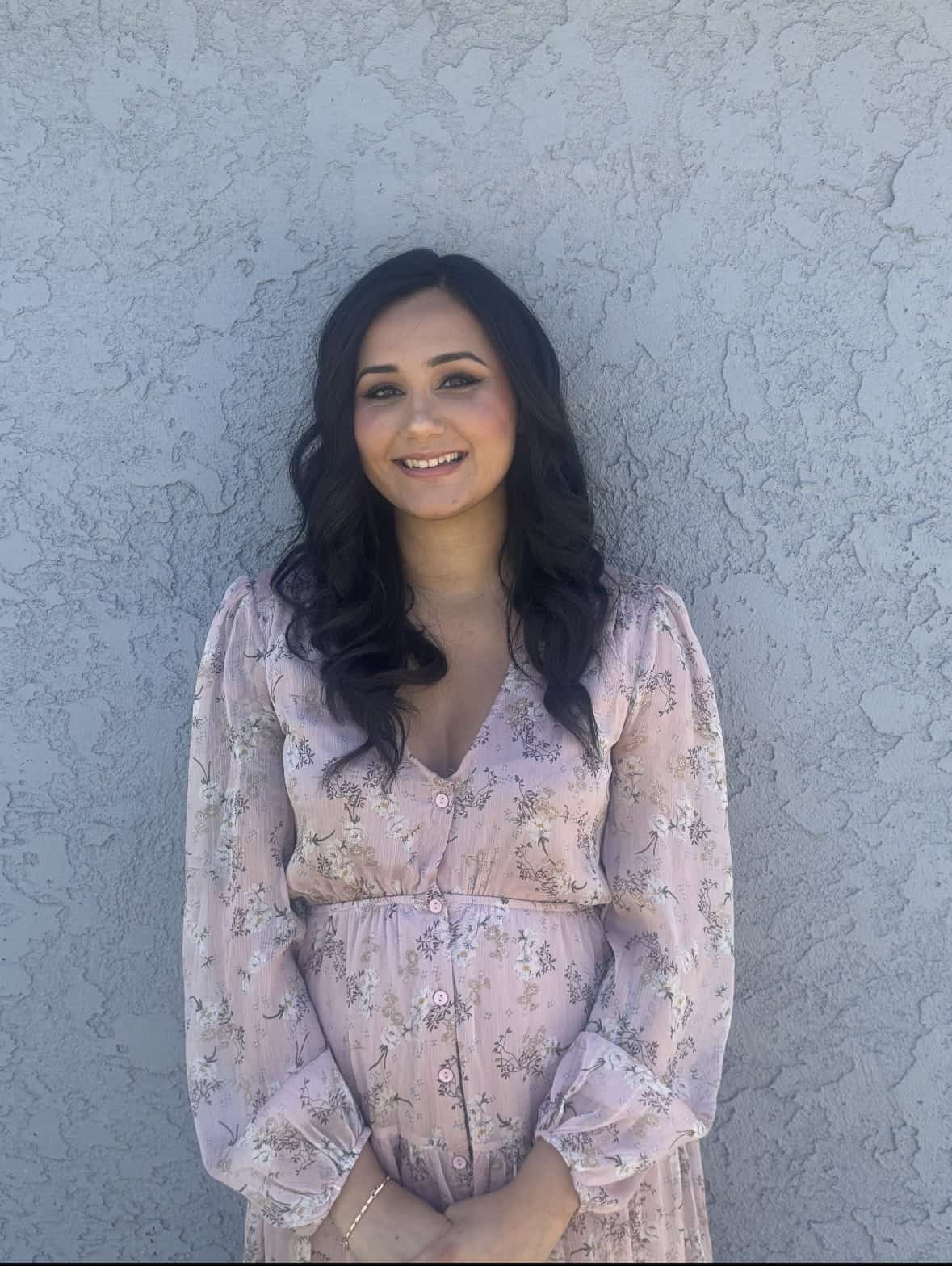
Rachel Handa, Clinical Director
Clinical Director & Therapist