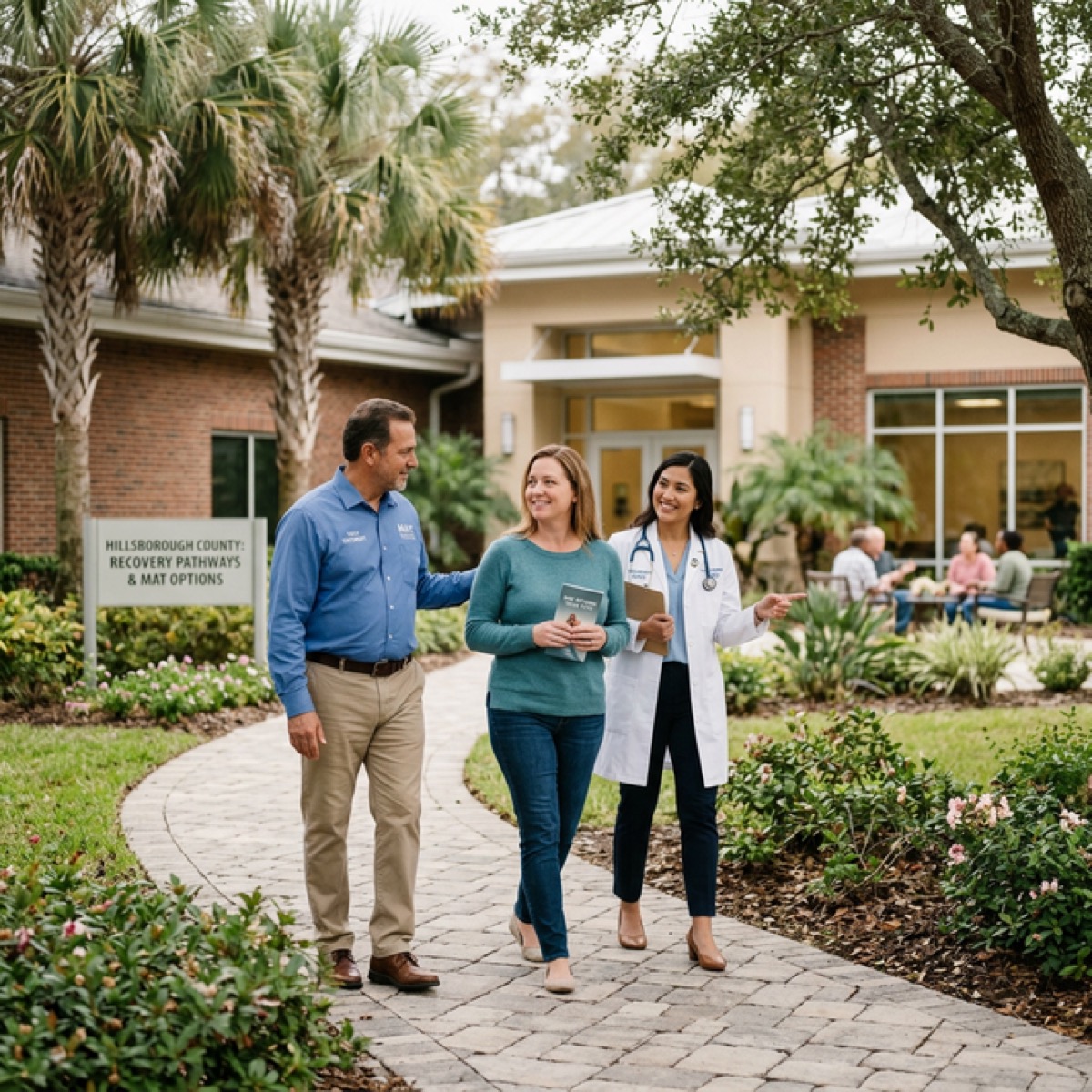
Key Takeaways
- Pinellas County has over 150 licensed substance abuse treatment providers serving a population exceeding 1 million residents.
- The county benefits from major medical institutions including BayCare Health System facilities offering integrated addiction and medical care.
- Medication-assisted treatment is widely available through numerous buprenorphine prescribers and methadone clinics in Pinellas County.
- Beach community settings in Pinellas offer unique treatment environments; recovery housing with ocean proximity provides therapeutic benefits.
- St. Petersburg's thriving cultural scene and peer recovery community support long-term sustainability after treatment.
- Many Pinellas County residents benefit from Trust SoCal's out-of-state residential treatment option for a complete environmental change.
Addiction Treatment Landscape in Pinellas County
Pinellas County, spanning from St. Petersburg on the west to Largo and Palm Harbor on the east, is home to more than 1 million residents and offers one of Florida's most robust addiction treatment infrastructures. The county is anchored by major healthcare systems including BayCare Health System, which operates multiple hospitals with substance abuse treatment capabilities. St. Petersburg, the second-largest city in Florida, functions as the cultural and medical hub of Pinellas County and hosts numerous specialized treatment facilities, psychiatric providers, and peer recovery organizations.
The substance abuse landscape in Pinellas County mirrors broader Florida patterns, with fentanyl-contaminated opioids driving overdose deaths, cocaine remaining prevalent particularly in lower-income neighborhoods, and methamphetamine use rising in specific communities. The county also sees significant alcohol use disorder, with its large retirement population and wealthy communities showing higher rates of prescription drug abuse. Homelessness and unstable housing are concentrated in St. Petersburg, contributing to vulnerability to substance abuse and complicating treatment access and retention.
Pinellas County benefits from strong public health infrastructure and community-based organizations dedicated to substance abuse treatment and recovery. The Pinellas County Health Department provides information and referral services, harm reduction programming, and funding for community-based treatment. This combination of private treatment facilities, hospital-based programs, and community-based services creates multiple pathways to care for individuals with varying needs and resources.
The Pinellas County Health Department operates a 24-hour substance abuse hotline at (727) 524-4445. Call for treatment referrals, crisis support, and information about services.
BayCare and Hospital-Based Treatment in Pinellas
BayCare Health System operates six hospitals throughout Pinellas County with substance abuse treatment capabilities, making hospital-based detoxification and inpatient treatment readily accessible.
- Hospital-based treatment provides the highest level of medical oversight for complicated detoxifications.
- BayCare facilities offer integrated medical and psychiatric care alongside addiction treatment.
- Most BayCare programs accept Medicaid, Medicare, and private insurance.
- Discharge planning from hospital programs typically includes referrals to ongoing outpatient or residential treatment.
Medication-Assisted Treatment Availability in Pinellas
Pinellas County has excellent medication-assisted treatment availability through both methadone clinics and buprenorphine prescribers. Multiple opioid treatment programs throughout St. Petersburg, Clearwater, Largo, and other communities provide daily methadone dosing with comprehensive counseling services. Additionally, hundreds of primary care physicians, psychiatrists, and addiction specialists in Pinellas County hold DEA waivers to prescribe buprenorphine in office-based settings, ensuring convenient access across the county.
For individuals seeking office-based buprenorphine treatment, the advantages include flexible scheduling, reduced stigma compared to methadone clinics, and integration with primary care. Many primary care practices in Pinellas County now incorporate buprenorphine prescribing, allowing seamless integration of addiction treatment with general medical care. For individuals preferring traditional opioid treatment program settings, methadone clinics in Pinellas offer structured environments with daily observation, group counseling, and comprehensive case management.
The choice between methadone and buprenorphine is individualized. Methadone requires daily clinic visits initially, provides strong anti-craving effects, and works well for individuals needing structured environments. Buprenorphine offers flexible office-based prescribing, lower overdose risk if misused, and works well for employed individuals and those needing privacy. Discussion with treatment providers helps identify the best medication for individual circumstances.
Use SAMHSA's treatment locator at findtreatment.gov to search for methadone clinics and buprenorphine prescribers by zip code throughout Pinellas County.
Residential and Intensive Treatment in St. Petersburg and Clearwater
Pinellas County hosts numerous residential treatment facilities ranging from 28-day intensive programs to extended 90-day stays. Many facilities are located in attractive settings with proximity to beaches and parks, providing therapeutic environmental benefits. Quality residential programs in Pinellas County typically offer evidence-based behavioral therapies, psychiatric care, family involvement options, vocational assessment, and comprehensive discharge planning.
Clearwater, located on Florida's Gulf Coast, has developed a reputation as a recovery-supportive community with numerous residential facilities, peer recovery organizations, and an engaged recovery community. Several 90-day specialized residential programs for methamphetamine, cocaine, and opioid addiction operate in the Clearwater area. St. Petersburg offers similar options in an urban cultural setting with strong creative and arts communities that appeal to some individuals in recovery.
When evaluating residential programs in Pinellas County, confirm Florida DCF licensure, accreditation from national bodies (Joint Commission, CARF, NCQA), clinical staff credentials, program philosophy alignment with personal values, and comprehensive discharge planning. Ask specifically about evidence-based treatment modalities used, staff-to-patient ratios, and psychiatric services. High-quality programs will provide detailed information and conduct a thorough clinical assessment before admission.
Specialized Women's and Gender-Specific Programming
Several Pinellas County treatment facilities offer women-specific and gender-affirming residential programming addressing the unique needs of women, transgender, and gender non-conforming individuals in recovery.
- Women-specific programs provide therapeutic environments addressing trauma, domestic violence, and gender-specific barriers to treatment.
- Childcare and family reunification services help mothers in recovery maintain connections with children.
- Gender-affirming programs for transgender and non-binary individuals create affirming spaces where gender identity is respected.
- Pregnancy-specific programs provide comprehensive prenatal and addiction treatment integrated services.
Peer Recovery Support and Community Resources
St. Petersburg and Pinellas County host active recovery communities with numerous 12-step meetings, non-12-step peer support groups, and recovery-oriented social organizations. Alcoholics Anonymous and Narcotics Anonymous maintain hundreds of meetings weekly throughout Pinellas County, providing free, accessible peer support. SMART Recovery, Refuge Recovery, and LifeRing offer non-12-step alternatives for individuals preferring secular or evidence-based approaches.
St. Petersburg, in particular, has developed a vibrant recovery culture with recovery-specific community events, recovery-oriented businesses, and strong peer connections. The city's arts and culture scene provides meaningful engagement opportunities for individuals in recovery seeking creative outlets and community connection. Many recovery organizations in St. Petersburg explicitly embrace diversity, offering meetings and programming affirming to LGBTQ+ individuals, people of color, and other marginalized communities.
Recovery housing (sober living homes) are plentiful in Pinellas County, providing structured environments bridging residential treatment and independent living. The Florida Association of Recovery Residences (FARR) certifies quality homes meeting standards for safety and recovery support. Before committing to any sober living placement, verify FARR certification and tour the facility to assess physical environment and peer community quality.
AA/NA/SMART Recovery meetings in Pinellas County can be found through www.aaindade.org, www.na.org (meeting finder), and www.smartrecovery.org. Most meetings are free and open to anyone.
Specialized Treatment Populations in Pinellas County
Pinellas County's large older adult population means that geriatric addiction treatment is a significant need. Older adults often have complex medical comorbidities, multiple medications, cognitive changes, and loss-related depression contributing to substance use. Treatment programs serving older adults should have geriatric expertise, simplified medication regimens, and approaches addressing age-specific life transitions.
The LGBTQ+ community in Pinellas County, particularly concentrated in St. Petersburg, has access to explicitly LGBTQ+-affirming treatment programs. St. Petersburg hosts several treatment facilities that have received training in LGBTQ+-affirming care and employ LGBTQ+ clinical staff. LGBTQ+ peer support meetings are also available, providing community and lived experience perspective.
Veterans in Pinellas County can access treatment through the James A. Haley Veterans' Hospital in Tampa and Pinellas County outpatient clinics. The VA provides integrated PTSD and substance abuse treatment. For veterans preferring private treatment, many Pinellas County facilities offer veteran-specific programming and accept TRICARE insurance.
Older Adults and Geriatric Addiction Treatment
Aging Baby Boomers transitioning into older adulthood have brought increased rates of substance abuse to a population historically underrepresented in substance abuse treatment.
- Prescription opioid dependence is common in older adults due to legitimate pain management that progressed to addiction.
- Alcohol use disorder is often underdiagnosed in older adults and masked by medical complications.
- Benzodiazepine dependence is common in older adults prescribed these medications for decades.
- Treatment should integrate medical care for comorbid conditions, simplify medication regimens, and address loss, grief, and isolation.
Insurance, Medicaid, and Financial Considerations
Pinellas County residents have access to multiple insurance and payment options for addiction treatment. The Affordable Care Act requires all health plans to cover substance abuse treatment. Pinellas County residents enrolled in Medicaid through the Florida Medicaid program have coverage for detox, residential, PHP, IOP, and outpatient treatment through managed care plans contracted with local providers. For uninsured individuals, the Florida Department of Children and Families and Pinellas County Health Department fund community-based treatment providers offering free or sliding-scale services.
Most major treatment facilities in Pinellas County accept private insurance, Medicare, Medicaid, and many offer sliding-scale fees for uninsured individuals. Calling a facility directly to discuss insurance and payment options eliminates guesswork and allows for informed decision-making. Many programs offer complimentary insurance verification services, with staff reviewing coverage details and explaining benefits.
For Pinellas County residents considering out-of-state treatment options, Trust SoCal in California offers complimentary insurance verification. Calling (949) 280-8360 connects you with an admissions coordinator who will review your specific coverage, explain benefits, discuss cost-sharing, and discuss financial assistance options.
Be cautious of treatment facilities offering unusually low prices or high discounts. Quality addiction treatment requires adequate staffing, qualified clinical providers, and proper facilities. Suspiciously low costs may indicate inadequate services.
Out-of-State Treatment: The California Option
Some Pinellas County residents benefit significantly from seeking treatment outside Florida, particularly those whose social networks are enmeshed with substance use or who have completed multiple local treatment episodes without sustained recovery. Changing geographic environments can serve as a powerful therapeutic catalyst, removing immediate access to old connections and familiar relapse triggers.
Trust SoCal in Fountain Valley, California, offers 60 to 90-day residential treatment for individuals from Pinellas County and throughout Florida. The program operates in a quiet Southern California residential community far removed from the high-stimulus environments of urban Florida. The clinical team includes specialists in opioid, stimulant, and alcohol addiction, with evidence-based treatment incorporating CBT, DBT, trauma-focused therapies, and holistic wellness programming.
Logistically, the transition from Pinellas County to Trust SoCal is straightforward. Flights from Tampa International Airport to Southern California airports take 5 to 6 hours, and the admissions team coordinates all pre-arrival details. For Pinellas County residents interested in exploring out-of-state treatment, calling (949) 280-8360 initiates a confidential conversation with an admissions specialist.
Sometimes recovery requires leaving behind not just the drug, but the entire life structure that surrounded the addiction.
— Trust SoCal Recovery Coach
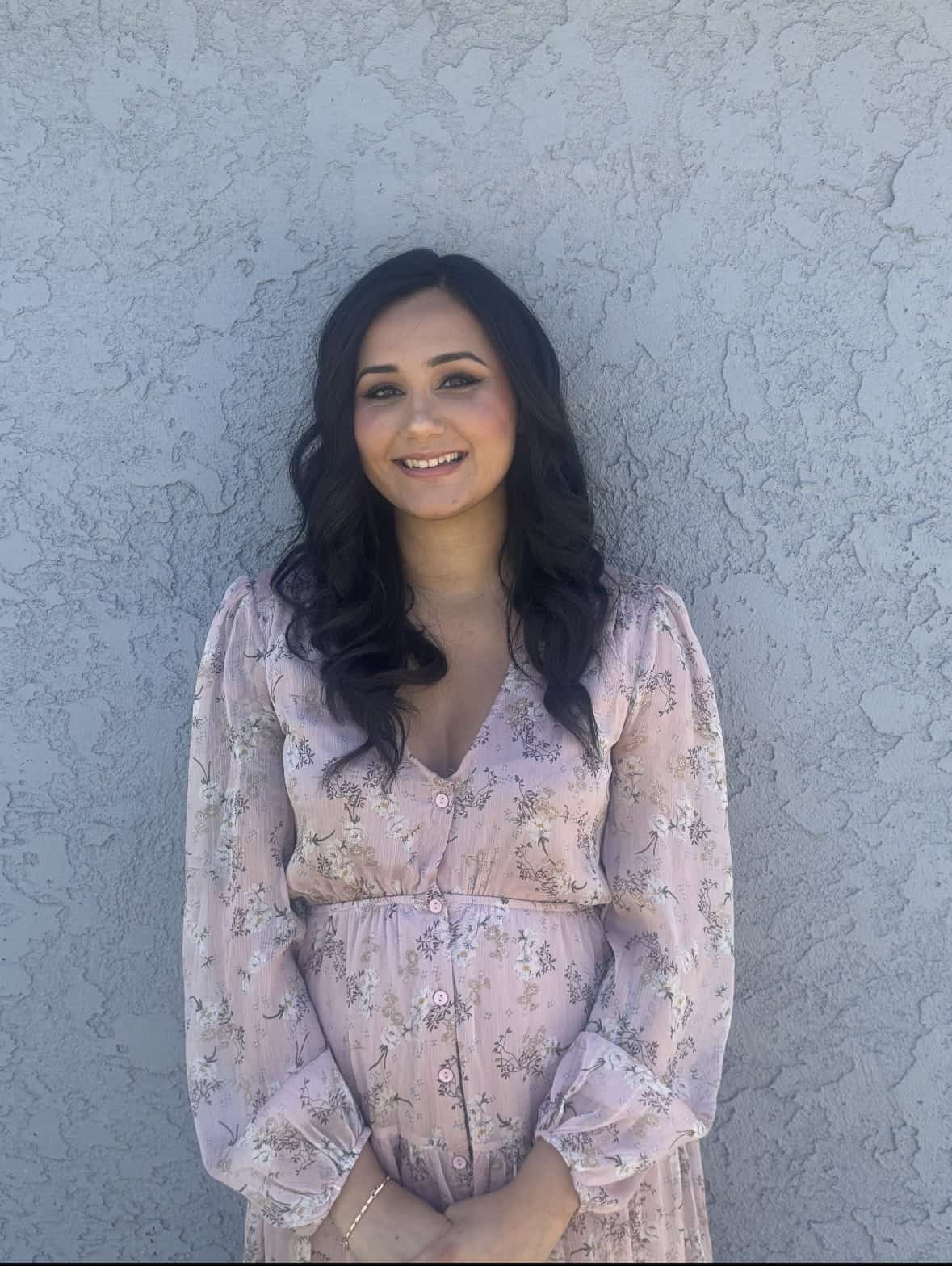
Rachel Handa, Clinical Director
Clinical Director & Therapist