Key Takeaways
- Toledo drug court provides criminal justice alternative through treatment instead of incarceration
- Drug court participants receive supervised probation, treatment, and regular court monitoring
- Successful completion avoids criminal conviction protecting employment and professional licensing
- Treatment intensity and duration determined by individual needs within drug court structure
- Trust SoCal coordinates intensive treatment supporting successful drug court completion
Toledo Drug Court System Overview
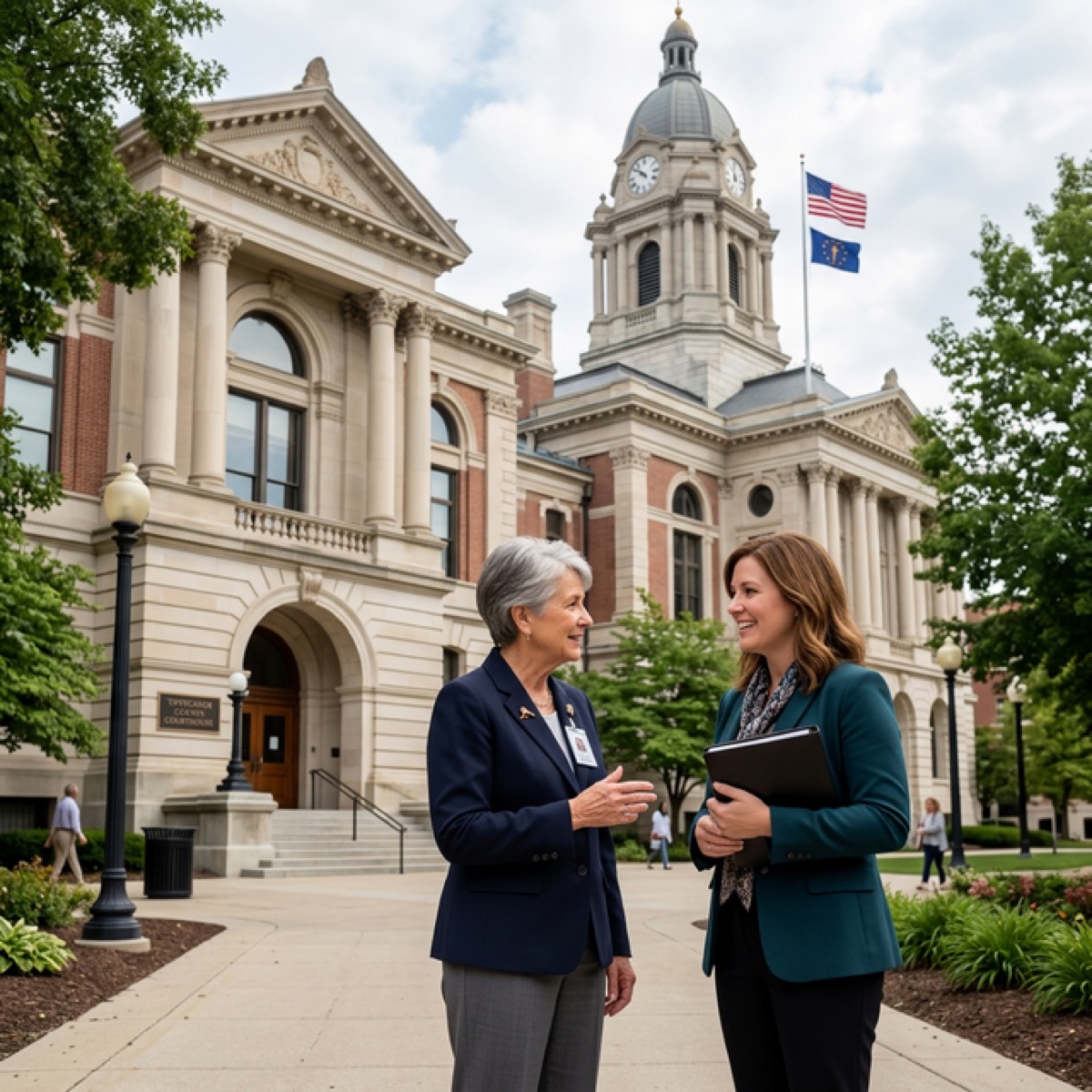
Toledo and Lucas County operate adult drug court providing alternative to incarceration for individuals charged with drug-related offenses. Drug court participants engage in comprehensive substance abuse treatment, regular drug testing, court monitoring, and community supervision. Successful completion typically takes 12-18 months. Upon successful completion, drug charges are often dismissed or reduced, preventing permanent criminal conviction.
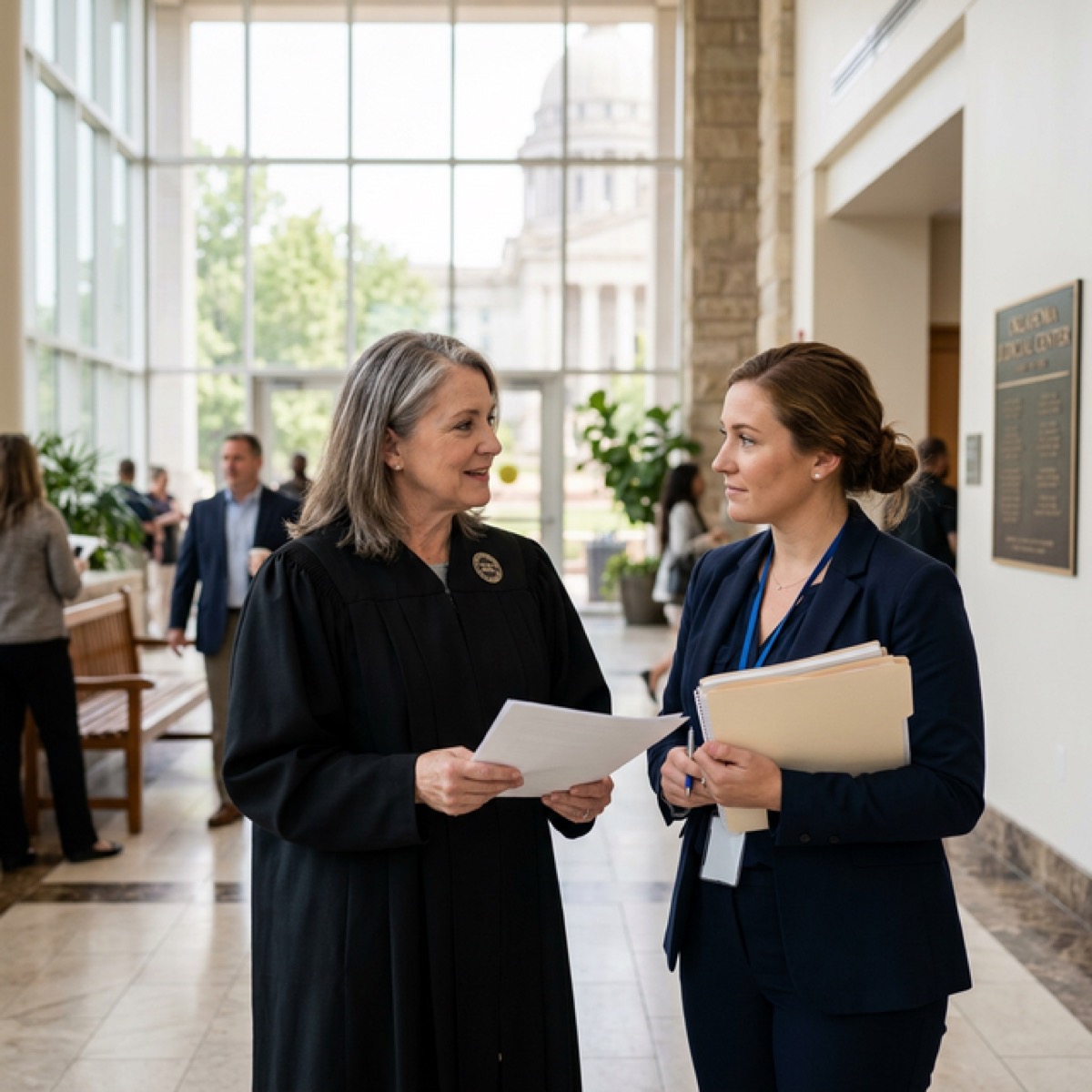
Drug court emphasizes rehabilitation and recovery rather than punishment. Judges, prosecutors, defense attorneys, treatment providers, and probation officers collaborate in drug court "teams" supporting participant recovery. This team approach and treatment emphasis significantly increases recovery success compared to traditional incarceration.
Toledo drug court offers rehabilitation pathway to criminal justice involvement. Successful completion prevents incarceration and criminal conviction.
Drug Court Participation Requirements
Drug court participants must comply with multiple requirements including regular court appearances, substance abuse treatment participation, random drug testing, probation requirements, and community service. Sanctions increase for violations with jail time reserved for serious infractions. Incentives reward compliance including case dismissal progression and early completion.
Treatment intensity depends on individual needs. Some participants complete outpatient treatment while others require residential treatment for 30-60 days. Drug court judges coordinate treatment level ensuring appropriate care intensity balancing recovery needs and practical constraints.
Typical Drug Court Requirements
Understanding drug court structure helps participants anticipate expectations and plan for compliance.
- Substance abuse treatment participation — outpatient or residential depending on individual needs
- Random drug testing — weekly or twice-weekly testing verifying abstinence compliance
- Regular court appearances — typically weekly during early phases, less frequently as progress advances
- Probation supervision — meeting with probation officer, reporting requirements
- Community service hours — typically 50-200 hours depending on offense
- Peer support group attendance — AA, NA, or other recovery community participation
Benefits of Drug Court Completion
Successful drug court completion provides multiple benefits beyond criminal justice system. Case dismissal or reduction prevents permanent criminal record impacting employment, professional licensing, housing, education, and financial access. Drug court participants frequently report increased self-confidence, family relationship improvement, and employment success following completion.
Long-term recovery outcomes for drug court participants significantly exceed those for individuals incarcerated. Drug court treatment and community support create recovery foundation sustaining post-completion. This is why drug courts have gained broad bipartisan support as evidence-based criminal justice approach.
Intensive Treatment Supporting Drug Court Success
Some Toledo drug court participants benefit from intensive 30-60 day residential treatment accelerating recovery foundation before full drug court timeline. Intensive treatment addresses underlying trauma and mental health conditions interfering with recovery. This rapid progress often enables faster drug court completion with stronger sobriety foundation.
Trust SoCal provides intensive residential treatment for Toledo drug court participants coordinating with drug court requirements. We document treatment participation for drug court, provide drug testing results to drug court, and support participant's successful drug court engagement. Upon completion of our intensive phase, participants transition to Toledo outpatient treatment and drug court with accelerated progress. Call (949) 280-8360 to discuss how intensive treatment can support Toledo drug court success.
Intensive California treatment can accelerate Toledo drug court success. Stronger early recovery foundation increases completion probability.

Trust SoCal Editorial Team, Clinical Review Board
Editorial & Clinical Review