Key Takeaways
- Pregnant women with substance use disorders benefit significantly from early treatment entry, which improves maternal health and fetal outcomes.
- Medication-assisted treatment with buprenorphine or methadone during pregnancy is safe and produces far better outcomes than continued substance use or abrupt detoxification.
- Women-specific treatment programs address trauma, family relationships, parenting, and other factors specific to female experiences of addiction.
- Mother-baby treatment programs allow women to maintain custody of infants while completing residential treatment.
- San Antonio and Bexar County have both public and private women-focused addiction treatment options.
- Childcare support, parenting education, and trauma-informed care are essential components of quality women's addiction treatment.
Substance Use and Pregnancy in San Antonio and Bexar County
Pregnant women with substance use disorders in San Antonio and Bexar County communities including Austin, surrounding counties face profound medical, legal, and psychosocial challenges. Opioid use during pregnancy, whether prescription opioids, heroin, or fentanyl, carries significant risks including premature delivery, low birth weight, fetal death, and neonatal opioid withdrawal syndrome (NOWS). However, continuing substance use during pregnancy carries far greater risk than entering treatment. The key is early identification and prompt treatment entry.
Despite the clear medical evidence that treatment improves outcomes, pregnant women with substance use disorders often face barriers to care including shame, fear of legal consequences, concerns about child protective services involvement, lack of information about safe treatment options, and limited availability of women-specific programs with pregnancy services. These barriers can delay treatment initiation, putting both mother and baby at risk.
San Antonio and Bexar County have made progress in creating pregnancy-focused addiction treatment options, though availability still falls short of need. Understanding available resources and treatment options is essential for pregnant women seeking help and for healthcare providers referring patients.
Pregnant women with substance use disorders should know that seeking treatment does not automatically trigger child protective services involvement. Most jurisdictions prioritize treatment entry and family preservation when pregnant women seek help proactively.
Medication-Assisted Treatment During Pregnancy
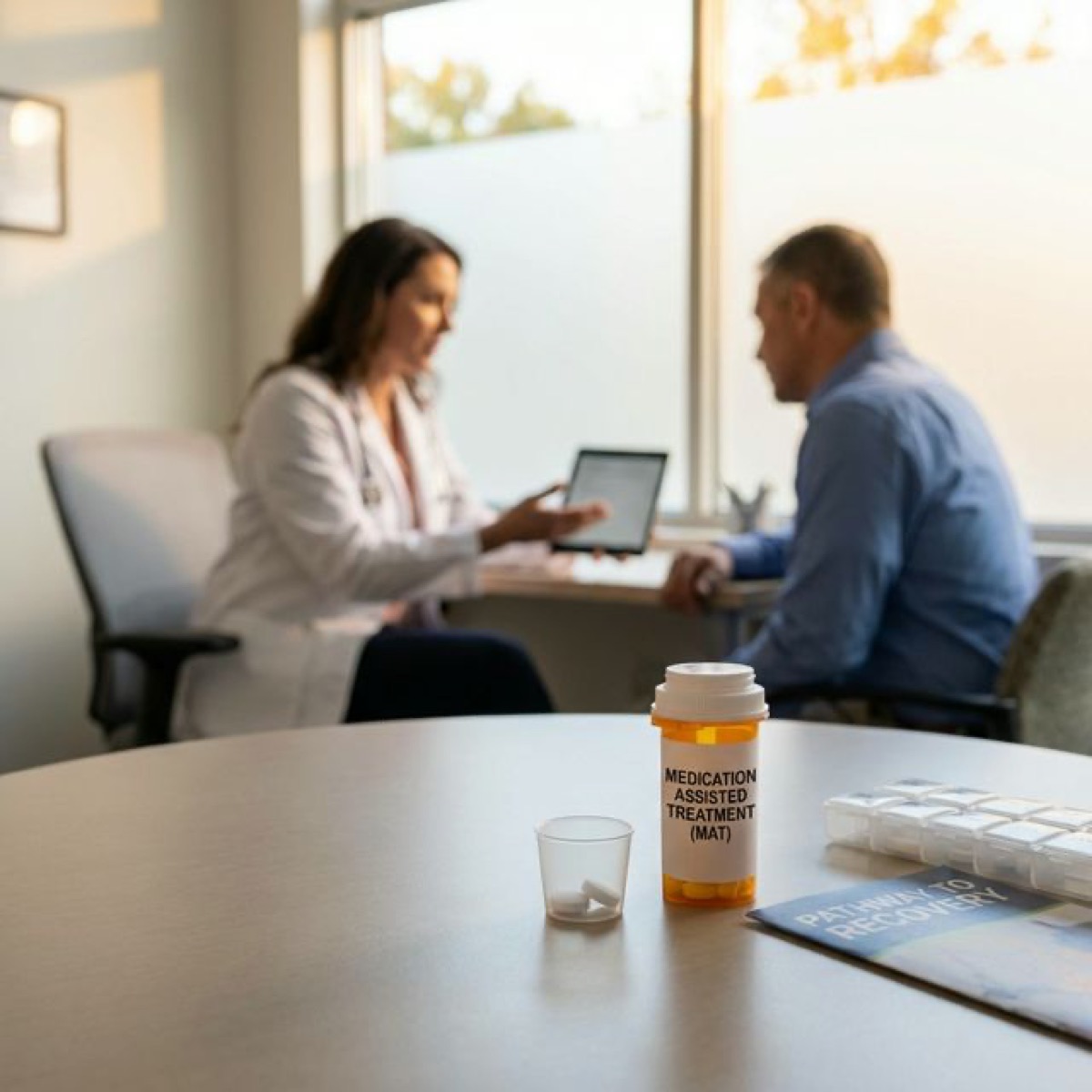
Medication-assisted treatment (MAT) is the evidence-based standard of care for pregnant women with opioid addiction. Both buprenorphine and methadone have been extensively studied in pregnancy and have excellent safety records. Continuing opioid use during pregnancy poses far greater risks than MAT—risks including overdose death of the mother, fetal development disruption, and inadequate prenatal care. Abrupt detoxification during pregnancy is contraindicated and can trigger miscarriage or preterm labor.
Buprenorphine, a partial opioid agonist, has become increasingly preferred for pregnant women due to its lower risk of neonatal withdrawal compared to methadone. However, methadone remains a safe and effective option, particularly for women with severe opioid addiction. Both medications should be combined with prenatal care, behavioral treatment, and psychosocial support. Obstetricians in San Antonio should coordinate with addiction medicine providers to ensure seamless integrated care.
Neonatal opioid withdrawal syndrome (NOWS) is a concern with opioid-exposed infants but is manageable with appropriate medical care. Infants with NOWS typically present with irritability, sleep disturbance, tremor, and feeding difficulties within 24 to 48 hours of birth. NOWS is treated with opioid medications (typically morphine) in a hospital setting and gradually tapered. With appropriate maternal treatment and neonatal care, NOWS is not life-threatening, though it does require specialized pediatric care.
Prenatal and Obstetric Coordination
Quality addiction treatment for pregnant women requires close coordination between addiction treatment providers and obstetric care.
- Pregnant women should be enrolled in regular prenatal care with an obstetrician or certified nurse midwife knowledgeable about addiction and MAT.
- Treatment providers should communicate regularly with obstetric providers regarding medication dosing, mental health status, and adherence.
- Obstetric providers should participate in discharge planning to ensure postpartum continuity of care for both mother and infant.
- Breastfeeding is generally safe while on MAT and should be encouraged when possible, with appropriate safety monitoring.
Women-Specific Addiction Treatment Programs
Women-specific and gender-responsive addiction treatment programs address the distinct biological, psychological, and social factors shaping female experiences of addiction. These programs typically include trauma-informed care, addressing the high rates of trauma history in women seeking treatment; relationship and parenting support; reproductive health services; and addressing socialized shame and self-blame often experienced by women with addiction.
San Antonio and Bexar County have both nonprofit and private women-focused treatment options. Some programs specialize in mothers and provide childcare support, parenting education, and mother-child therapeutic activities. The best women-specific programs employ female clinical staff and provide gender-affirming environments.
San Antonio has several programs offering childcare services, allowing mothers to participate fully in treatment while maintaining infant care. Ask specifically about mother-child accommodations when investigating programs.
Motherhood, Child Protective Services, and Treatment
Many women delay or avoid seeking addiction treatment due to fear that child protective services will remove their children. While substance use can trigger CPS involvement, seeking treatment proactively typically supports family preservation. Most jurisdictions encourage treatment as the appropriate response to maternal substance use, particularly when the mother initiates treatment voluntarily.
Women considering treatment should know that obtaining treatment is viewed favorably by courts and child protective services as a protective factor for children. Proactively seeking help, maintaining stability, and engaging in treatment are factors that support family preservation and custody. Legal consultation can provide clarity about an individual's specific situation.
Postpartum Support and Continued Recovery
The postpartum period is a critical vulnerability point for relapse. Women in early recovery face new stressors including sleep deprivation, hormonal changes, adjustment to motherhood, and anxiety about parenting. Quality postpartum support includes continued medication-assisted treatment, mental health care, peer support, and practical parenting support. Postpartum depression screening and treatment are essential, as untreated postpartum depression significantly increases relapse risk.

Rachel Handa, Clinical Director
Clinical Director & Therapist