

Key Takeaways
- Women face unique biological, psychological, and social factors in addiction and recovery
- Gender-specific treatment creates a safer environment for processing trauma
- Women progress faster in addiction when surrounded by other women in recovery
- Trauma-informed care is essential as most women with addiction have trauma histories
- Trust SoCal offers women-specific programming within comprehensive treatment
Why Women Need Specialized Addiction Treatment
Women experience addiction differently than men. Biological differences in metabolism and hormonal cycles affect how substances impact the female body. Psychological and social factors, including higher rates of trauma, relationship-based triggers, and societal stigma around women and addiction, create distinct treatment needs that are best addressed through gender-responsive programming.
Research from the National Institute on Drug Abuse demonstrates that women progress from initial substance use to dependence more rapidly than men, a phenomenon known as telescoping. Women also face greater stigma around addiction, which can delay treatment-seeking by years. For Thousand Oaks women struggling with substance abuse, understanding that specialized programs exist, and that their experience of addiction is valid and common, can be the first step toward recovery.
Trust SoCal recognizes that women's recovery needs are distinct and provides gender-specific programming within our comprehensive treatment framework. Our clinical team includes female therapists who specialize in women's issues, creating a safe therapeutic environment for processing sensitive experiences.
The Role of Trauma in Women's Addiction
The connection between trauma and addiction is well-established in clinical literature, and it is particularly pronounced among women. Studies indicate that 55 to 99 percent of women in substance abuse treatment report histories of physical or sexual abuse. Many women initially turned to substances as a way of coping with overwhelming traumatic memories and the emotional distress they produce.
Trauma-informed care is not an optional enhancement for women's addiction treatment; it is an essential foundation. Trust SoCal's trauma-informed approach means that every aspect of our program, from the physical environment to therapeutic techniques, is designed to promote safety, empowerment, and healing for trauma survivors.
- EMDR (Eye Movement Desensitization and Reprocessing) for processing traumatic memories
- Trauma-focused cognitive behavioral therapy (TF-CBT)
- Seeking Safety: an evidence-based program designed specifically for trauma and addiction
- Somatic experiencing and body-based trauma processing
- Mindfulness-based stress reduction for trauma-related anxiety
Trust SoCal's clinical team includes therapists specially trained in trauma treatment for women. Our gender-responsive approach ensures that women feel safe exploring sensitive topics in a supportive environment.
Unique Treatment Considerations for Women
Effective women's addiction treatment must address several factors that are either unique to women or disproportionately affect them compared to men. These considerations shape how treatment is designed and delivered.
Hormonal and Biological Factors
Hormonal fluctuations across the menstrual cycle can affect cravings, mood, and medication response. Women metabolize alcohol and many drugs differently than men, often experiencing more severe health consequences from equivalent amounts of substance use. Our medical team accounts for these biological differences in treatment planning.
Relationship and Family Dynamics
Women's substance use is often closely linked to relationships, with many women introduced to substances by romantic partners. Issues of domestic violence, codependency, and unhealthy relationship patterns are common themes in women's treatment. Family concerns, particularly regarding childcare during treatment, can also be significant barriers that require practical solutions.
Body Image and Self-Esteem
Body image concerns and low self-esteem are prevalent among women with addiction. Substance use may be intertwined with eating disorders or used as a coping mechanism for body dissatisfaction. Our programming addresses these issues through therapeutic modalities that promote self-acceptance and healthy self-concept.
Benefits of Gender-Specific Treatment
Research published in the Journal of Substance Abuse Treatment demonstrates that women in gender-specific treatment programs have better outcomes than women in mixed-gender programs across several measures. Gender-specific settings allow women to speak openly about sensitive topics like sexual trauma, domestic violence, and shame without the self-consciousness that can occur in mixed groups.
- Greater sense of safety and openness in therapeutic groups
- Stronger peer bonds and mutual support among participants
- Focus on issues most relevant to women's recovery
- Freedom to discuss sensitive topics without male presence
- Role modeling from female peers and clinicians in recovery
- Higher rates of treatment completion compared to mixed-gender programs
Getting Started with Women's Treatment
Trust SoCal's admissions team understands the unique concerns women face when considering treatment, including childcare logistics, safety concerns, and the stigma that can make asking for help feel impossible. Our female admissions specialists provide compassionate, confidential guidance through every step of the process.
If you are a woman in Thousand Oaks or the broader Ventura County area struggling with addiction, you deserve treatment that understands and addresses your specific needs. Call Trust SoCal at (949) 280-8360 to learn about our women's programming and take the first step toward recovery.
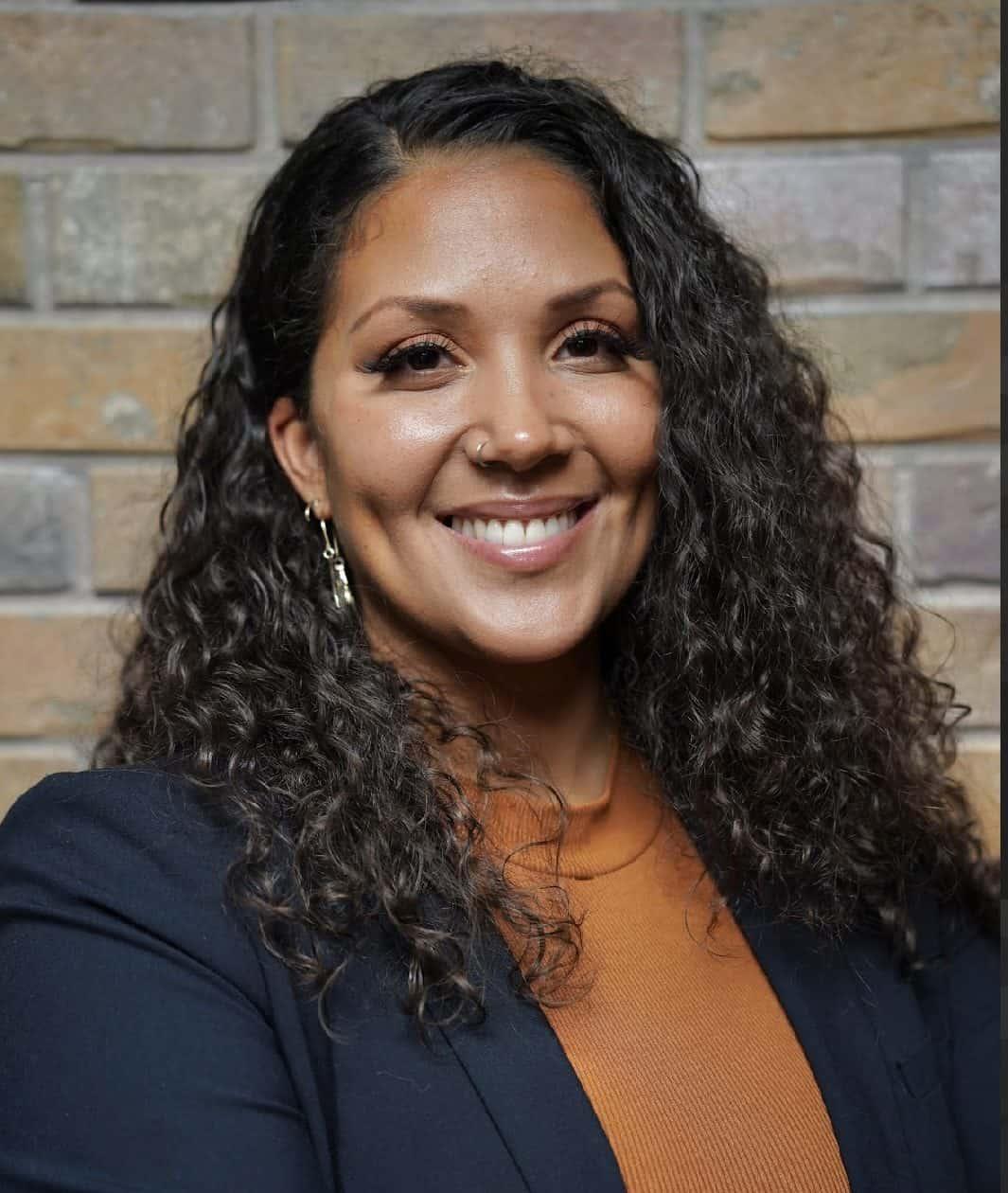
Courtney Rolle, CMHC
Clinical Mental Health Counselor