
Overview
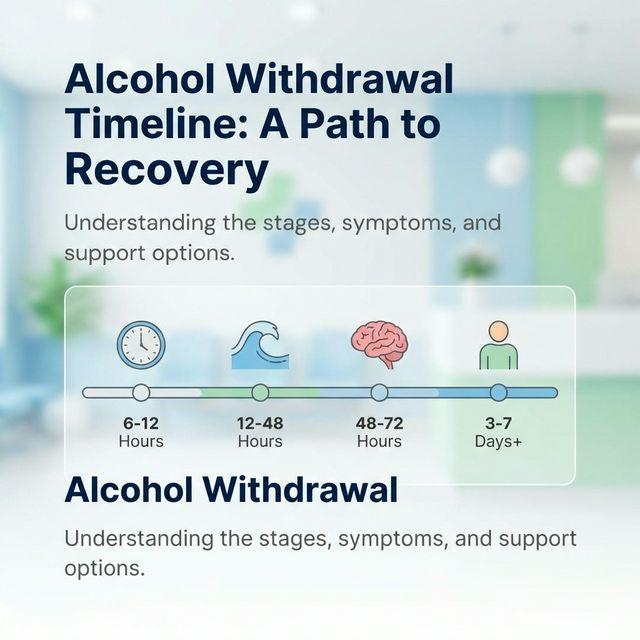
Alcohol withdrawal is one of the most medically serious forms of substance withdrawal, and understanding its timeline is essential for anyone considering sobriety after prolonged or heavy drinking. When someone who has been drinking heavily for weeks, months, or years suddenly stops or significantly reduces their intake, the central nervous system, which has adapted to the constant presence of alcohol, becomes hyperexcitable. This neurological rebound produces a range of symptoms that can begin within just six hours of the last drink and may progress to life-threatening complications without proper medical oversight. At Trust SoCal, our JCAHO-accredited medical detox program provides around-the-clock monitoring and evidence-based interventions to ensure that every client navigates alcohol withdrawal safely and as comfortably as possible. The severity and duration of alcohol withdrawal depend on several individual factors, including the length and quantity of alcohol use, previous withdrawal episodes, co-occurring mental health conditions, overall physical health, and age. A phenomenon known as kindling means that each successive withdrawal episode tends to be more severe than the last, making professional medical detox increasingly important for individuals who have attempted to quit before. Our clinical team at Trust SoCal uses validated assessment tools such as the Clinical Institute Withdrawal Assessment for Alcohol (CIWA-Ar) to continuously monitor symptom severity and adjust treatment protocols in real time. If you or someone you love is struggling with alcohol dependence, please call us at (949) 280-8360 to learn about our comprehensive withdrawal management and treatment programs. Understanding what to expect during each phase of alcohol withdrawal can help alleviate fear and empower individuals to seek the help they need.