About This Program
Firefighters, paramedics, law enforcement officers, dispatchers, and other first responders are exposed to human suffering, violence, and death on a routine basis that most people will never experience in a lifetime. The cumulative psychological toll of this exposure, combined with a professional culture that prizes toughness and discourages vulnerability, creates conditions where addiction develops quietly and escalates rapidly. At Trust SoCal, our JCAHO-accredited treatment center in Fountain Valley, California, we have developed a specialized treatment track for first responders that addresses the occupational trauma, cultural dynamics, and career-specific concerns that define this population.
First responders do not experience a single traumatic event. They experience hundreds or thousands of them over the course of a career. The child who did not survive CPR. The domestic violence scene that escalated. The fatal car accident on Christmas Eve. Critical incident stress accumulates like a toxin in the mind, and when the profession discourages processing those experiences through emotional expression or therapy, substances become the primary coping mechanism. Alcohol is the most commonly misused substance among first responders, but prescription medications, particularly opioids for work-related injuries and benzodiazepines for sleep, are also significant concerns.
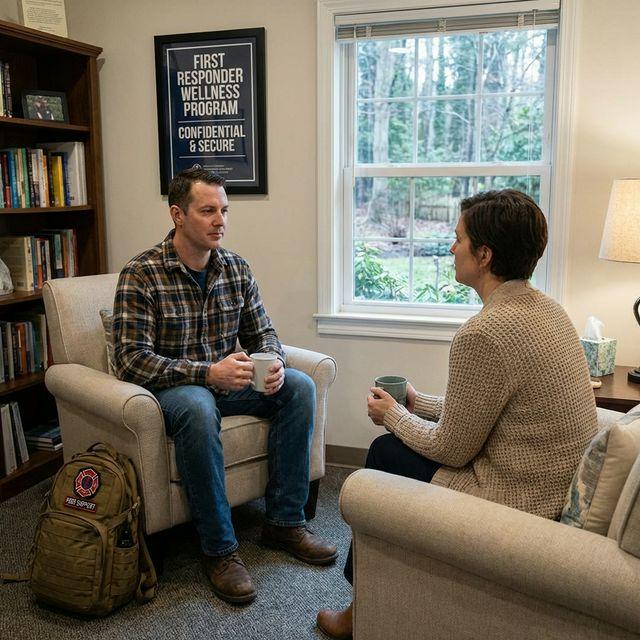
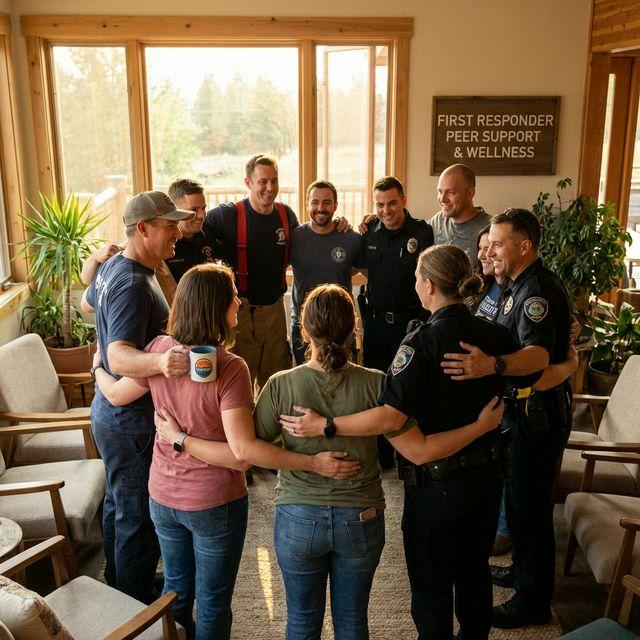
The culture of first responder organizations often creates powerful barriers to seeking help. Fear of losing firearms qualifications, concern about being placed on administrative leave, worry about being perceived as unfit for duty by colleagues, and the belief that seeking help is a betrayal of the team all prevent first responders from acknowledging their struggles. Trust SoCal understands these dynamics and provides a treatment environment that is separate from the first responder's department, confidential, and staffed by clinicians who genuinely understand first responder culture.
Sleep disruption is a pervasive issue for first responders that both contributes to and results from substance use. Shift work, on-call schedules, and the hyperarousal state that comes from constantly being prepared for emergencies all devastate sleep quality. Many first responders begin using alcohol or prescription sleep aids to manage insomnia, creating a secondary dependence that complicates treatment. Our program addresses sleep restoration as a clinical priority alongside addiction and trauma treatment. If you are a first responder struggling with substance use, or if you are a department leader looking for treatment resources, call Trust SoCal today at (949) 280-8360 to speak confidentially with our team at our Fountain Valley facility.