

Key Takeaways
- Fresno and the Central Valley experience addiction rates that rival or exceed urban California due to economic stress, agricultural labor conditions, and limited local treatment availability.
- Fresno County has fewer residential treatment beds per capita than statewide averages, creating significant wait times for individuals needing structured care.
- Rural and agricultural workers in the Central Valley face unique barriers including language access, transportation limitations, and fear of immigration consequences.
- Medi-Cal is the primary insurance mechanism for many Central Valley residents, and coverage for addiction treatment is comprehensive but local provider capacity remains limited.
- Trust SoCal provides Southern California treatment for Central Valley residents seeking immediate access, evidence-based programming, and geographic distance from high-risk environments.
The Addiction Crisis in Fresno and the Central Valley
The San Joaquin Valley and Central Valley communities, anchored by Fresno and stretching from Clovis in the south through Madera, Merced, and Chowchilla to the north, face an addiction crisis that has received far less national attention than the Bay Area or Los Angeles but is equally devastating. Fresno County reports overdose death rates that rank among California's highest, driven by the same forces reshaping drug use nationwide: illicit fentanyl, methamphetamine, and prescription opioid misuse. Yet the Central Valley context is distinctive, shaped by agricultural economies, migrant labor patterns, and a healthcare infrastructure stretched thin.
The Central Valley is home to approximately four million people, many of whom work in agriculture, food processing, transportation, and construction. These industries carry their own addiction risks: seasonal employment creates financial stress and desperation, physical labor leads to pain management with opioids, and social environments centered around bars and cannabis use normalize substance consumption. The region also has one of the highest rates of prescription opioid misuse in the nation, a legacy of aggressive pharmaceutical marketing to rural communities with limited access to specialists.
What sets the Central Valley apart is not just the prevalence of addiction but the scarcity of treatment. Fresno County has treatment capacity that lags far behind both the size of its population and the severity of its addiction crisis. Rural communities throughout the region depend on a handful of providers, many of which are publicly funded and consistently at capacity. For someone in Fresno, Clovis, Madera, or Merced seeking residential treatment, local options are limited and wait times substantial.
The Central Valley faces a compound crisis: epidemic levels of fentanyl-driven addiction combined with critically inadequate treatment capacity. If you or a loved one is struggling in Fresno or surrounding counties, do not wait for local treatment slots to open. Call Trust SoCal at (949) 280-8360 for immediate placement options.
Understanding Fresno County's Treatment System
Fresno County operates a publicly funded addiction treatment system designed to serve the county's most vulnerable populations. The system includes detoxification services, residential treatment programs of varying lengths, outpatient counseling, and medication-assisted treatment. However, the system's capacity reflects budget limitations rather than clinical needs, and individuals seeking treatment frequently encounter waiting periods that can extend weeks for residential care.
The Fresno County Department of Behavioral Health serves as the entry point for publicly funded treatment. Individuals can access the system through the county behavioral health office, community health centers, or emergency departments at local hospitals. Screening and assessment services are available, but the process of moving from assessment to actual placement in a treatment program can be lengthy, particularly for individuals seeking residential care.
Private treatment providers exist in Fresno but are limited in number. Many individuals in the Central Valley lack the insurance coverage necessary to access private programs, making the publicly funded system their only option. This dependency on county resources, combined with chronic underfunding of rural mental health services, creates a system that struggles to meet demand.
Publicly Funded Treatment Access Points in Fresno
Fresno County residents seeking publicly funded addiction treatment can access services through multiple pathways. The county behavioral health office provides screening and referral, community clinics offer assessment services, and emergency departments at Community Medical Centers and other hospitals can initiate treatment for individuals presenting in acute crisis or withdrawal.
- Fresno County Department of Behavioral Health provides centralized intake and level-of-care determination
- Community Health Centers throughout Fresno and surrounding counties offer substance use screening and brief intervention
- Community Medical Centers emergency department provides medical detox and treatment referral services
- Medi-Cal enrollment assistance available at county social services offices for uninsured individuals
- Peer recovery specialists available through county-funded programs to support treatment engagement
The Unique Challenges of Rural Central Valley Addiction
Rural addiction in the Central Valley carries challenges that are qualitatively different from urban or suburban substance use disorders. Transportation is a fundamental barrier. Communities in Merced, Madera, and even the outlying areas of Fresno County have limited public transportation, making it difficult for individuals to attend multiple weekly outpatient treatment sessions. Agricultural and seasonal workers may have unpredictable schedules that conflict with structured treatment requirements. Parents managing childcare while working multiple jobs lack the flexibility that consistent treatment demands.
Language access presents another critical challenge. The Central Valley has significant populations of Spanish-speaking residents and immigrants from Mexico and Central America. Many treatment providers lack Spanish-speaking clinicians, making effective engagement in individual therapy and group counseling impossible for monolingual Spanish speakers. The fear of immigration consequences also keeps some individuals from seeking treatment even when it is available.
Social stigma in small communities compounds these challenges. In towns like Clovis, Visalia, and Chowchilla, substance use disorders can feel especially shameful when the community is tightly knit and everyone knows everyone. Individuals in early recovery may encounter people from high school or church at twelve-step meetings, creating privacy concerns that people in larger cities do not face. This lack of anonymity sometimes discourages people from engaging in local recovery communities even when treatment is complete.
The Central Valley's agricultural economy creates seasonal employment patterns and stress that fuel addiction. If you are a farmworker, ag-adjacent worker, or rural Central Valley resident struggling with substance use, treatment designed to understand agricultural community challenges can be transformative. Call (949) 280-8360 to discuss options.
Migrant and Agricultural Worker Treatment Challenges
Agricultural workers and migrant populations in the Central Valley experience addiction at higher rates than many other occupational groups, yet face the most severe barriers to treatment. Unstable housing, language barriers, documentation concerns, and work schedules that shift with seasonal demands all complicate access to care. Many agricultural workers are reluctant to seek treatment through county systems due to documented immigration concerns.
- Migrant farmworkers often have unstable housing that makes residential treatment planning difficult
- Language barriers are compounded by scarcity of Spanish-speaking treatment providers in rural areas
- Documentation status fears prevent some immigrants from accessing publicly funded treatment
- Seasonal employment patterns make consistent outpatient treatment attendance nearly impossible
- Occupational injuries leading to opioid prescriptions are extremely common in agricultural work
- Social isolation and communication barriers in non-English-speaking communities delay help-seeking
Treatment Modalities Available in the Central Valley
Fresno and surrounding Central Valley counties have the full continuum of care theoretically available, but significant gaps exist between what is theoretically available and what is actually accessible. Medical detoxification is provided by Community Medical Centers and private providers in Fresno, stabilizing individuals through acute withdrawal from alcohol, opioids, and other substances. The detox process typically takes five to ten days depending on the substance and individual medical factors.
Residential treatment programs operate in Fresno and surrounding counties, offering 30, 60, and 90-day structured recovery experiences. These programs provide individual therapy, group counseling, life skills training, and peer support in a residential setting removed from daily life pressures. However, demand consistently outpaces availability, and public programs may prioritize individuals with Medi-Cal coverage and no private insurance options.
Outpatient programs in Fresno range from intensive outpatient care requiring nine or more hours of weekly programming to standard outpatient counseling with one or two sessions per week. Medication-assisted treatment for opioid use disorder is available through licensed providers in Fresno, though wait times for methadone programs and buprenorphine prescribing can be significant.
Treatment for Agricultural Community-Specific Needs
Some Central Valley treatment providers have developed programming specifically designed to address the needs of agricultural workers. These programs understand seasonal work patterns, occupational injuries, and the specific stressors of farm labor. They often include practical support like transportation assistance and flexible scheduling to accommodate work demands.
- Programs that understand agricultural injury and occupational stress management
- Providers offering Spanish-language group and individual therapy
- Treatment centers with flexible scheduling for seasonal and shift workers
- Programs addressing chronic pain and opioid addiction from occupational injuries
- Recovery communities connected to agricultural worker advocacy organizations
- Transportation support for individuals in rural areas without personal vehicles
Insurance, Medi-Cal, and Paying for Treatment in the Central Valley
Fresno County and the Central Valley have some of the lowest rates of private insurance coverage in California. Many residents qualify for Medi-Cal, California's Medicaid program, due to employment in low-wage agricultural, food processing, and service industries. Medi-Cal covers a comprehensive range of addiction treatment services including detoxification, residential treatment, outpatient counseling, medication-assisted treatment, and recovery support services. For many Central Valley residents, Medi-Cal is the critical gateway to treatment.
Enrollment in Medi-Cal can be expedited for individuals in crisis, with presumptive eligibility allowing treatment to begin before the full application is processed. Language assistance is available for non-English speakers, and enrollment can often be completed during the intake process at behavioral health facilities. However, the challenge is not coverage but capacity: Fresno County Medi-Cal funded treatment slots are consistently full, creating waitlists.
Uninsured individuals in the Central Valley can access care through county-funded programs operating on reduced capacity. Sliding-scale payment options exist but usually serve as a secondary option after county resources are exhausted. Some private treatment providers accept out-of-area patients and can work with Central Valley families to find financing solutions when commercial insurance is unavailable.
Trust SoCal works with Medi-Cal and a wide range of commercial insurance plans to make treatment accessible to Central Valley residents. If you qualify for Medi-Cal, we can often provide faster placement than local options. Call (949) 280-8360 for free insurance verification.
Medi-Cal Behavioral Health Services in Fresno County
Fresno County Medi-Cal managed care plans contract with local providers to deliver substance use disorder services. Fresno County Health Plan and other managed care organizations coordinate treatment access for Medi-Cal beneficiaries, though the underlying challenge remains: demand exceeds capacity even with comprehensive insurance coverage.
- Medi-Cal covers up to 90 days of residential treatment with authorization
- Outpatient services including individual and group therapy covered with no copay
- Medication-assisted treatment for opioid use disorder fully covered under Medi-Cal
- Transportation assistance to treatment appointments may be available through managed care plans
- Presumptive eligibility allows treatment to begin before final Medi-Cal approval
Local Treatment Resources in Fresno, Clovis, and Surrounding Communities
Fresno itself has the most treatment infrastructure of any Central Valley community, including medical detox services, residential programs, and outpatient clinics. Clovis, the second-largest city in Fresno County, has limited independent treatment options but benefits from proximity to Fresno's services. Surrounding communities like Visalia, Tulare, Madera, Merced, and Chowchilla have even fewer options, with residents often needing to travel to larger cities for comprehensive treatment.
The Fresno County Office of Emergency Medical Services coordinates overdose response and can facilitate treatment referrals for individuals who have experienced non-fatal overdoses. Emergency departments at Community Medical Centers and Valley Medical Centers provide acute detoxification and stabilization, though follow-up residential placement through the county system may involve waiting periods.
Community-based organizations in Fresno, including churches, community centers, and peer recovery organizations, provide support services and recovery connections. These organizations often have deep roots in communities and understand local culture in ways that formal treatment systems sometimes lack. For individuals who have completed treatment, these community resources often become vital recovery support.
Clovis, Madera, Merced, and Chowchilla Treatment Access
Communities outside Fresno proper face more limited treatment access, though emergency and basic outpatient services are available in larger towns. Clovis residents often access Fresno-based treatment, while Madera, Merced, and Chowchilla residents may need to travel significant distances for residential care or specialized services.
- Clovis Medical Center emergency department provides acute detoxification and referrals
- Madera County has limited residential options; residents often referred to Fresno County programs
- Merced County operates its own behavioral health system with varying capacity and resources
- Chowchilla and surrounding Inyo and Kern County communities have the most limited local resources
- Transportation between rural communities and treatment centers in larger cities is a practical barrier
- Telehealth outpatient services increasingly available for individuals in remote areas
The Reality of Treatment Waitlists in the Central Valley
The gap between need and capacity in Fresno County treatment system translates into a harsh reality for individuals seeking help: waitlists. Someone who arrives at a county assessment meeting and is determined to need residential treatment may be told that the nearest available bed is weeks away. For someone struggling with addiction, weeks can mean the difference between reaching help and losing the window of motivation. The individual may relapse, face legal consequences, or experience a medical crisis before a bed becomes available.
This is not a judgment against the county system or its staff, many of whom work with dedication despite severe resource constraints. It is simply the mathematical reality of a system where the number of people needing treatment vastly exceeds the number of available beds. Rural systems experience this gap even more acutely than urban ones. The Fresno County Department of Behavioral Health knows this reality and understands why many Central Valley residents and families seek alternative options.
For individuals in acute crisis, the immediacy of Southern California treatment programs becomes attractive. Programs like Trust SoCal can often provide admission within 24 to 48 hours, capturing a window of motivation that the local system may not be able to serve. For agricultural workers with seasonal employment constraints, immediate treatment allows for care without losing employment opportunities. For individuals whose local community makes anonymity in recovery difficult, out-of-area treatment offers relief.
Why Central Valley Residents Benefit from Out-of-Area Treatment
The clinical and practical case for out-of-area treatment is particularly strong for Central Valley residents. The environmental triggers for substance use in Fresno or Clovis—the neighborhoods where drugs are available, the social networks centered on use, the stress of agricultural labor or economic desperation—all remain powerfully present even during local treatment. An individual completing outpatient counseling in Fresno may walk out of a therapy session and encounter the same people, places, and circumstances that drove addiction in the first place.
Southern California treatment removes individuals from the Central Valley environment entirely, disrupting ingrained patterns and providing geographic distance that strengthens early recovery. For agricultural workers whose stress and chronic pain drive substance use, the Southern California climate and pace of life offer a restorative break from the intensity of Central Valley agricultural work. For individuals seeking recovery in a community where substance use is not as visible and recovery is not as stigmatized, Southern California treatment communities provide something the Central Valley cannot.
Trust SoCal in Fountain Valley, Orange County, provides residential addiction treatment designed to serve individuals from Central Valley communities including Fresno, Clovis, Madera, Merced, and Chowchilla. Our program offers evidence-based clinical treatment, comprehensive aftercare planning that includes coordination with Central Valley outpatient providers, and experience working with agricultural workers and Spanish-speaking residents. The logistics of travel from the Central Valley are manageable: flights from Fresno Yosemite International Airport to John Wayne Airport take approximately two hours.
Trust SoCal is accessible for Central Valley residents. A ninety-minute flight from Fresno International Airport puts you in a recovery environment designed for immediate access and lasting results. Call (949) 280-8360 to explore treatment options.
Choosing the Right Path to Recovery for Central Valley Residents
For Fresno, Clovis, Madera, Merced, and other Central Valley residents seeking addiction treatment, the decision involves evaluating local options honestly against alternatives. Local treatment may be appropriate for individuals with mild to moderate substance use disorders, strong employment and housing stability, and significant recovery support in their community. For individuals with severe addiction, unstable housing, limited support systems, or occupational pressures that make local treatment challenging, out-of-area treatment may be the more clinically appropriate choice.
The right decision depends on your specific circumstances, the severity of your addiction, your access to employment and stability, and your honest assessment of whether your local community supports or undermines recovery. There is no shame in recognizing that the Central Valley environment may work against your recovery. There is strength in seeking the resources that give you the best chance at lasting sobriety, wherever those resources are located.
Whether you choose local treatment, out-of-area programs, or want to explore your options further, reaching out for help is the crucial first step. Contact Trust SoCal at (949) 280-8360 for a confidential conversation about your situation. Our admissions team understands the unique challenges of Central Valley addiction and can help you evaluate whether local or out-of-area treatment is the best path forward for your recovery.
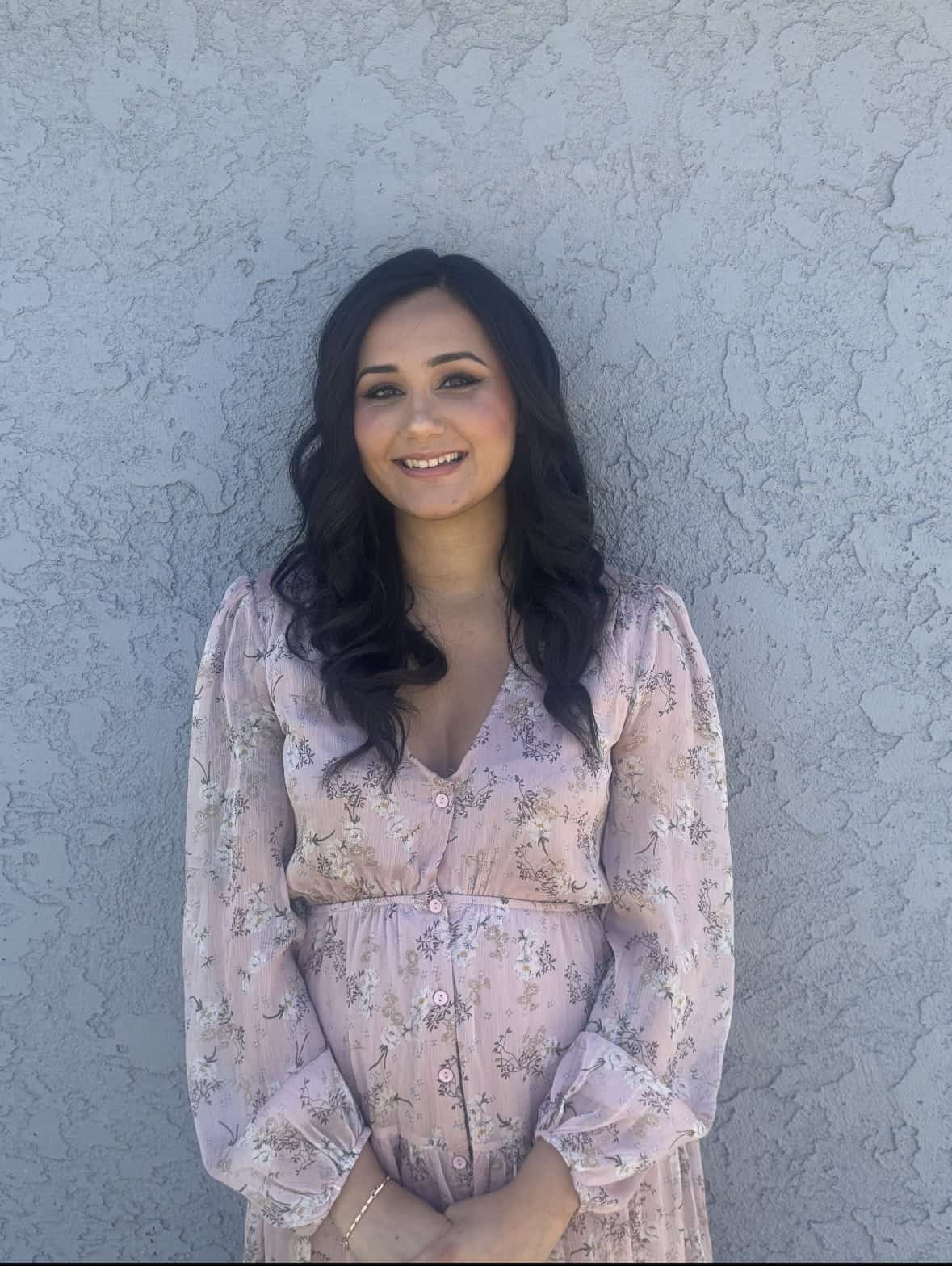
Rachel Handa, Clinical Director
Clinical Director & Therapist


