Key Takeaways
- Boulder offers comprehensive addiction treatment serving mountain community residents
- Outdoor culture and wellness focus can support recovery when substance use is addressed
- College presence creates young-adult focused treatment needs and resources
- Affluent community enables access but creates wealth-based service gaps
- Residential treatment provides intensive care for complex cases
Addiction Treatment Services in Boulder, Colorado
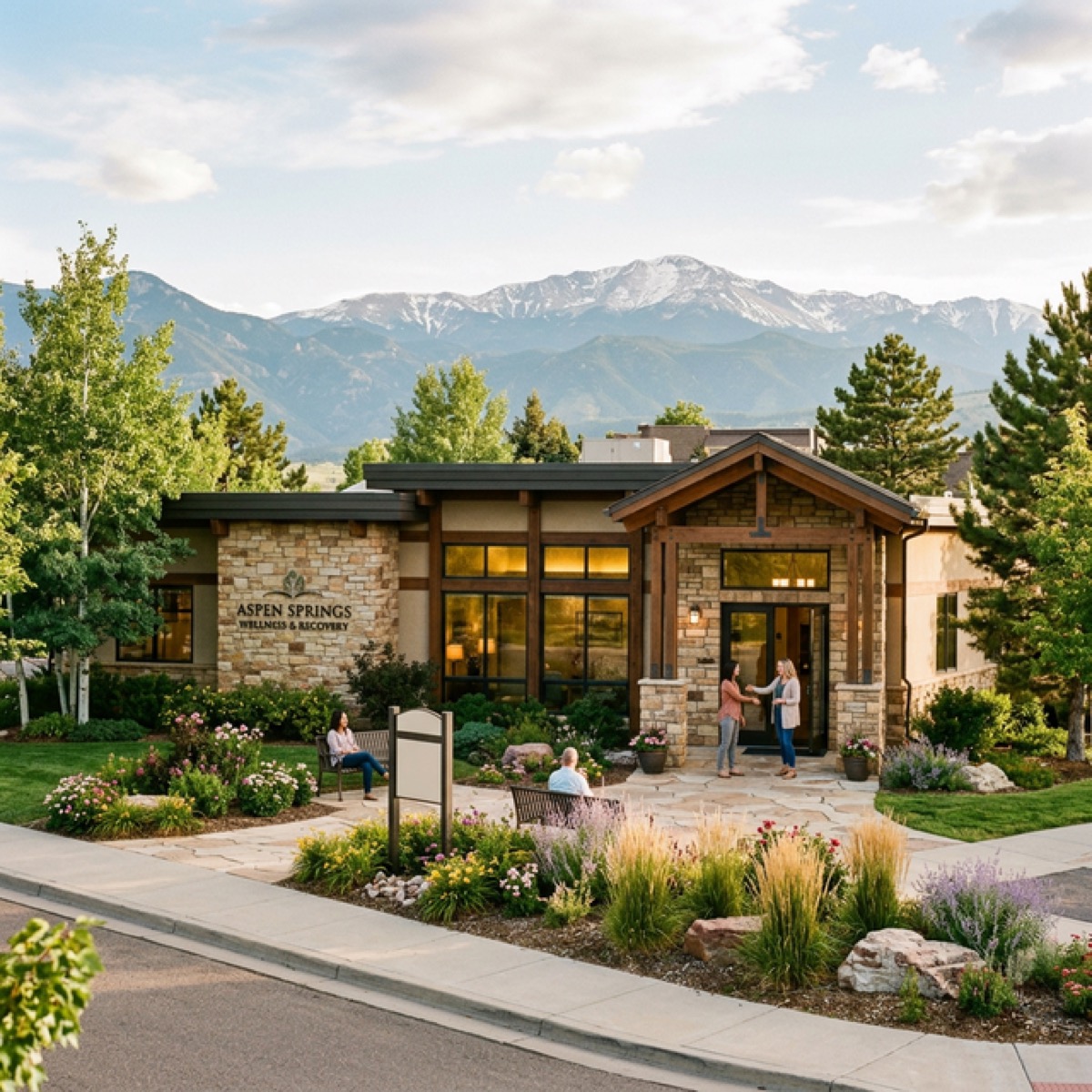
Boulder, Colorado, nestled at the base of the Rocky Mountains with over 108,000 residents, has developed comprehensive addiction treatment infrastructure. The city's strong wellness culture, outdoor recreation focus, and affluent demographics create both resources and unique challenges. Boulder hosts multiple treatment providers, hospital-based services, and peer recovery networks.
Boulder's outdoor culture and wellness focus can integrate into recovery when substance use is addressed. However, affluent demographics create service gaps for lower-income residents. Additionally, young-adult substance use patterns related to CU Boulder and outdoor communities require specialized approaches. Trust SoCal serves Boulder residents needing intensive specialized care.
Contact (949) 280-8360 to explore addiction treatment options in Boulder or discuss specialized residential care.
Boulder Treatment Landscape
Multiple providers serve Boulder and Boulder County with diverse treatment approaches.
- Boulder Community Health behavioral services
- Private practice addiction specialists
- University-affiliated treatment programs
- Peer support communities throughout Boulder
College Culture and Young Adult Substance Use
University of Colorado Boulder, with nearly 35,000 students, creates college-focused substance use patterns. College stress, peer pressure, and outdoor recreation culture combine to create elevated risk for young adult addiction. However, CU-Boulder also provides student health services and treatment resources.
College-age treatment in Boulder addresses developmental factors, academic planning, and social influences. Early intervention prevents escalation and supports both academic success and personal development. Young adult-focused programming recognizes developmental differences from adult addiction treatment.
CU-Boulder students struggling with substance use should contact student health services early. Early intervention provides significantly better outcomes.
College Student Treatment
Boulder treatment serves CU students addressing developmental and academic factors.
- Student health services and counseling
- Community outpatient providers
- Academic planning during treatment
- Peer support for college-age recovery
- Campus recovery communities
Outdoor Culture and Wellness-Integrated Recovery
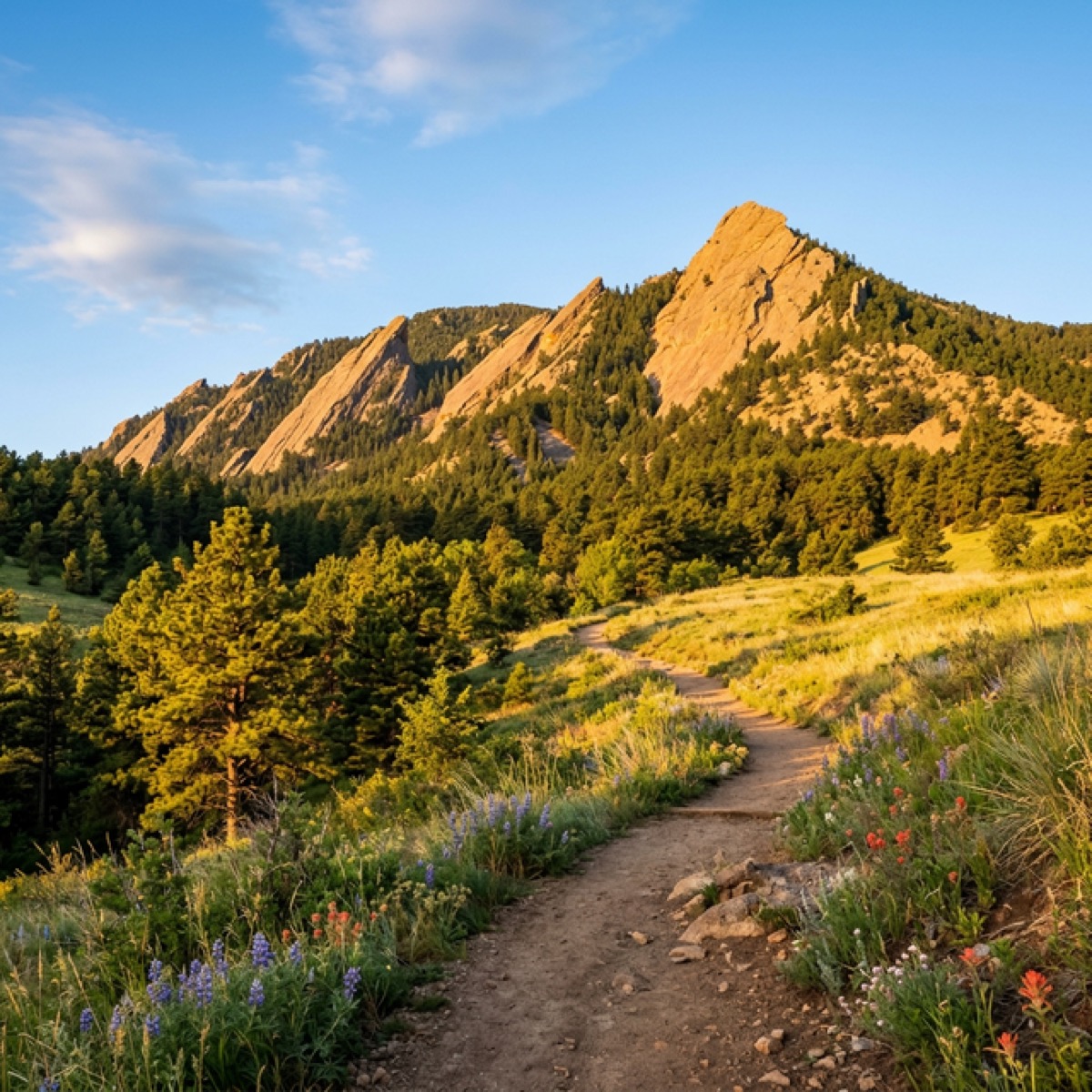
Boulder's outdoor recreation culture—hiking, climbing, biking, skiing—provides natural recovery supports when substance use is addressed. Outdoor activities can replace substance seeking with healthy physical challenge and community. Many Boulder residents find that outdoor passion becomes central to recovery identity.
Treatment in Boulder can integrate outdoor recreation, physical wellness, and nature connection as recovery foundations. Rather than asking residents to abandon their outdoor lifestyle, treatment supports continuing these activities while establishing sobriety. Outdoor communities provide peer support and accountability.
Boulder residents in recovery should maintain or develop outdoor recreation as core to their recovery identity and wellness.
Outdoor Recovery Integration
Boulder's outdoor culture provides natural recovery supports and peer communities.
- Hiking and mountain communities
- Climbing and outdoor sports groups
- Biking and cycling communities
- Physical fitness and wellness
- Nature connection and spirituality
Affluence, Service Gaps, and Economic Accessibility
Boulder's affluent demographics create paradoxical challenges. While many excellent treatment services exist, providers may focus on insured or wealthy cash-pay clients. Lower-income Boulder residents and service workers may face barriers. Additionally, substance use exists across economic strata despite perceptions of affluent communities.
Effective treatment serves Boulder residents across economic backgrounds. Community health centers, sliding-scale providers, and insurance-accepted services ensure accessibility. Individuals without insurance should explore Boulder Community Health and nonprofit options.
Boulder Community Health provides sliding-scale mental health and addiction services. Call (949) 280-8360 to discuss affordability options.
Access and Affordability
Treatment should serve Boulder residents across economic backgrounds.
- Community health center services
- Sliding-scale therapy options
- Insurance coverage and verification
- Nonprofit and reduced-cost programs
- Financial assistance options
Outpatient and Community-Based Treatment
Boulder offers diverse outpatient options including individual therapy, group counseling, intensive outpatient programs, and family services. Programs address Boulder-specific factors including outdoor culture, wellness focus, and young adult demographics. Individual therapy combines evidence-based approaches with integration of outdoor lifestyle values.
Peer support communities including AA, NA, and outdoor-focused recovery groups provide free ongoing support. Boulder's active recovery community offers diverse paths and philosophies. Regular peer group attendance combined with professional treatment provides comprehensive integrated care.
Boulder residents should combine outpatient professional treatment with consistent peer support group attendance and outdoor wellness activities.
Outpatient Programming
Boulder's diverse treatment options address outdoor culture and wellness values.
- Individual addiction counseling
- Group therapy addressing outdoor culture
- Intensive outpatient programs
- Family therapy and psychoeducation
- Peer support group integration
When Residential Treatment is Appropriate
Some Boulder residents benefit from intensive residential treatment. Severe addiction, failed outpatient attempts, or complex trauma may require comprehensive specialized care. Residential programs provide 24-hour clinical support, structured environment, and therapeutic community. These programs typically last 28-90 days.
Boulder residents traveling to Trust SoCal in Orange County find residential treatment removes immediate triggers, provides specialized clinical team, and offers therapeutic community. The geographic change and California weather support significant behavioral shift. Aftercare planning ensures smooth return to Boulder recovery.
If Boulder outpatient treatment hasn't provided lasting recovery, intensive residential care may be necessary.
Residential Options
Intensive residential treatment addresses complex cases and access gaps.
- 24-hour clinical supervision
- Specialized dual-diagnosis treatment
- Therapeutic community and peer support
- Outdoor-friendly aftercare planning
- Boulder reintegration support

Trust SoCal Editorial Team, Clinical Review Board
Editorial & Clinical Review