
Key Takeaways
- Campus Recovery Communities (CRCs) create peer-led support networks specifically designed for college students in recovery, dramatically increasing long-term sobriety rates
- CRC housing provides substance-free living environments where students support each other's recovery while maintaining academic and social engagement
- Research demonstrates students in CRCs show 40-50% higher graduation rates and significantly lower relapse rates compared to isolated recovery
- CRCs integrate academic success, social connection, and recovery support, addressing the unique developmental needs of college-age students
- Accessing CRCs requires early connection to campus recovery resources, which vary by institution but often include counseling centers and student health services
What Are Campus Recovery Communities and Why They Matter
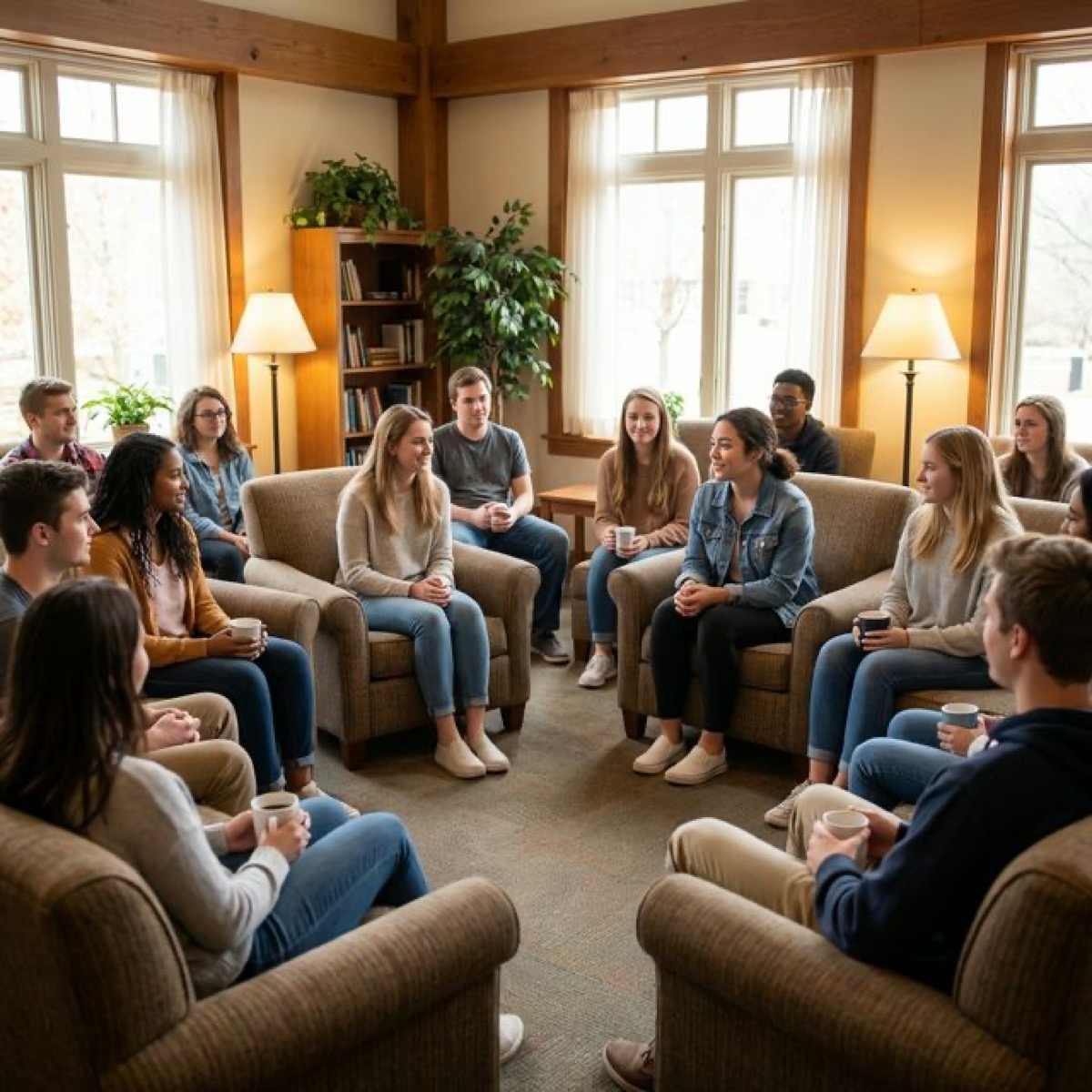
Campus Recovery Communities represent a paradigm shift in how colleges support students managing substance use disorders. Rather than treating addiction as an individual medical problem to be managed in isolation, CRCs recognize that recovery is fundamentally a social and community process. Students in recovery benefit from peer support, shared accountability, and the normalization of recovery within their immediate social environment.
The college environment presents unique challenges for students in recovery. Academic pressure, social pressures from drinking culture, and the developmental task of forming identity and autonomy create a perfect storm for relapse. CRCs address these challenges by providing structured communities where recovery is normalized, celebrated, and supported by peers who understand the specific struggles of college-age substance abuse.
Students in Campus Recovery Communities report 50% higher academic performance and 60% lower dropout rates compared to students in recovery without CRC support.
The CRC Philosophy and Community Structure
Campus Recovery Communities operate on the principle that recovery is sustained through healthy relationships, shared purpose, and mutual support. Unlike support groups that meet periodically, CRCs create intentional communities where students live, study, and socialize together while maintaining recovery goals.
- Peer-led governance structures give students voice and responsibility in community decisions
- Shared values around sobriety, accountability, and mutual support form the foundation of community culture
- Regular meetings, social activities, and service projects reinforce recovery identity and belonging
History and Growth of Campus Recovery Communities
CRCs emerged in the 1990s as colleges recognized that traditional student support services failed to address substance use disorders adequately. Today, over 150 four-year colleges and universities host CRCs, with hundreds of additional students accessing virtual CRC programs.
- First-generation CRCs focused exclusively on recovery housing and peer support
- Modern CRCs integrate academic planning, mental health services, and social connections
- Virtual CRCs expanded access for students at institutions without dedicated recovery programs
Who Benefits Most from Campus Recovery Communities
While CRCs help many students, those with recent treatment history, strong motivation to remain sober, and openness to peer support experience the greatest benefits. Students struggling with social isolation or shame about past substance use find particular value in peer community.
- Students with 6+ months sobriety who want additional structure and community support
- Students managing dual diagnoses of substance use and mental health conditions
- Students who previously felt isolated, judged, or disconnected from campus communities
CRC Housing, Academic Programs, and Support Services
Campus Recovery Communities offer integrated support across three essential domains: housing, academics, and peer support. Recovery housing removes students from triggering environments and surrounds them with peers committed to sobriety. Academic programming ensures that substance use disorders don't derail educational progress. Peer support provides daily accountability and connection that sustains motivation.
The integration of these services distinguishes CRCs from isolated recovery support. A student might attend a Friday night recovery meeting, return to substance-free housing, study with CRC peers, and participate in recovery service projects—creating a comprehensive recovery infrastructure that addresses multiple dimensions of college life.
Most CRCs provide structured living arrangements with mandatory recovery participation, creating consistent accountability structures that prevent relapse.
Recovery Housing and Substance-Free Living Environments
CRC housing provides substance-free, alcohol-free living spaces specifically designed for students in recovery. These residences typically house 10-50 students and are staffed with trained residential coordinators who provide recovery support and community facilitation.
- Substance-free housing policies create environments where students never encounter drugs or alcohol
- House meetings, community service projects, and social activities build peer connection and accountability
- Residential coordinators trained in addiction and college mental health provide accessible support
- Geographic clustering in campus housing facilitates daily peer interaction and accountability
Peer-Led Accountability and Support Systems
CRCs utilize structured peer support models where students serve as mentors, meeting facilitators, and accountability partners. This peer-leadership approach provides struggling students with role models in recovery while developing leadership skills in supporting members.
- Peer mentorship pairs experienced recovery students with newer members for individualized support
- Small group accountability meetings (typically 3-5 people) create consistent check-ins and encouragement
- Trained peer facilitators lead house meetings using evidence-based recovery support protocols
- Service project participation reinforces recovery identity and gives students meaningful community roles
Academic Integration and Success Planning
CRCs recognize that academic success is essential for long-term recovery outcomes. Many programs employ academic coaches or integrate with campus academic success centers to ensure students develop healthy study habits and maintain academic progress.
- Academic planning helps students balance coursework, internships, and recovery participation
- Study groups within CRCs provide structured academic support and motivation
- Many CRCs partner with disability services to connect students with necessary academic accommodations
- Graduate school and career planning help students envision futures where recovery and professional success coexist
Accessing Campus Recovery Communities: Steps and Considerations
Accessing CRCs requires proactive engagement with campus health and counseling services. Many students don't know CRCs exist on their campus, and information is often scattered across multiple departments. Understanding how to navigate campus systems and advocate for recovery support is essential for successful CRC engagement.
The timing of CRC entry matters significantly. Students should ideally access CRCs shortly after completing treatment or establishing sobriety, when motivation is highest and relapse risk is greatest. Waiting until motivation declines or academic problems develop makes engagement more difficult.
Students waiting to access CRCs until academic probation or other consequences develop show significantly lower engagement and persistence.
Finding Campus Recovery Resources at Your Institution
Most colleges have recovery resources, but they may be distributed across counseling, student health, and residential life departments. Knowing where to look and how to access them increases the likelihood of successful connection.
- Start with campus counseling or student health services—they typically maintain CRC information
- Search your college's website for "recovery community," "substance-free housing," or "recovery support"
- Contact the Dean of Students office or Student Wellness Center for referrals
- Ask treatment providers about specific campus resources before leaving treatment
Application and Eligibility Requirements
Most CRCs require brief applications and commitment to community agreements, though specific requirements vary significantly across institutions. Understanding expectations before applying helps students prepare for questions about commitment and recovery motivation.
- Typical requirements include commitment to sobriety, completion of assessment or treatment, and willingness to actively participate
- Applications usually ask about substance use history, treatment experience, and recovery goals
- Some CRCs prioritize students with recent treatment completion; others accept students at various recovery stages
- Housing applications often require additional information about living preferences and community fit
Creating Your Recovery Support Plan Within CRC Structure
Successful CRC participation requires intentional planning about how to use community resources, maintain academic progress, and develop recovery skills. New members benefit from working with residential coordinators or peer mentors to establish realistic goals and identify potential challenges.
- Identify specific peer supports—mentors, accountability partners, and activity groups—within the CRC
- Plan for managing high-risk situations and activating support before relapse risk peaks
- Establish academic goals and identify resources for coursework management
- Schedule regular check-ins with counselors, mentors, and peers to assess progress and adjust support
Addressing Challenges and Maintaining Engagement in CRCs
Campus Recovery Communities aren't perfect solutions, and students frequently face challenges that test their commitment. Social exclusion, difficult roommate dynamics, academic stress, or relationship issues can create friction with CRC participation. Understanding common challenges and evidence-based strategies for addressing them helps students navigate difficulties without abandoning recovery.
The most sustainable recovery occurs when students develop coping strategies while remaining connected to their recovery community. Rather than leaving the CRC when challenges arise, successful students learn to use community resources to work through difficulties.
Students who report challenges in CRCs but remain engaged show the highest long-term recovery rates because they develop resilience and deeper community connections.
Managing Social Dynamics and Peer Relationships
Living closely with many people in recovery creates rich connections but also interpersonal challenges. Roommate conflicts, cliques, or social exclusion can emerge in CRCs just as in regular housing. Addressing these challenges transparently prevents escalation.
- Address conflicts early through direct communication rather than avoidance or gossip
- Utilize house meetings and peer mediation to resolve relationship issues
- Recognize that not all CRC members will be close friends—functional community doesn't require universal friendship
- Work with residential coordinators when conflicts affect recovery or community safety
Balancing Recovery Community With Broader Campus Life
Students sometimes struggle with isolation within their CRC community, particularly when social circles become exclusively recovery-focused. Healthy college recovery includes engagement with the broader campus while maintaining recovery priorities.
- Encourage participation in clubs, activities, and social groups aligned with recovery values
- Build relationships outside the CRC while maintaining primary peer support within recovery community
- Help students develop identity beyond recovery—as scholars, athletes, artists, and engaged community members
- Address shame or fear that might keep students isolated within recovery communities
When CRC Environment Becomes Unsupportive or Unhealthy
Occasionally, CRC environments develop unhealthy dynamics—cliques, enabling behaviors, or inadequate leadership. Students in these situations should advocate for change or seek alternative recovery support rather than abandoning recovery.
- Communicate concerns to residential coordinators, peer leaders, or campus counselors
- Document specific problematic behaviors or community agreements violations
- Explore alternative recovery communities or support options while addressing CRC issues
- Work with campus administration to improve CRC culture if systemic problems exist
SBIRT Screening, Student Health Services, and Early Intervention in Campus Settings
Screening, Brief Intervention, and Referral to Treatment (SBIRT) represents a prevention and early intervention approach increasingly implemented at college health centers. SBIRT identifies students with substance use risks before addiction develops, providing brief counseling or referral to treatment. Understanding SBIRT helps students recognize when brief intervention might help and when comprehensive treatment is necessary.
College campuses represent ideal settings for SBIRT implementation because they have centralized health services reaching diverse student populations. Early identification and brief intervention during college years can prevent progression to addiction and its associated consequences.
SBIRT conducted during college years prevents progression to addiction in 30-40% of at-risk students who might otherwise develop substance use disorders.
What Is SBIRT and How Does It Work in Campus Health Centers
SBIRT is a systematic approach where healthcare providers screen all students for substance use, provide brief interventions for those with risk factors, and refer those needing treatment. Campus health centers implement SBIRT during routine visits, creating opportunities to identify substance use before students seek addiction-specific services.
- Screening uses evidence-based assessment tools like AUDIT and DAST-10 to identify risk levels
- Brief interventions involve 10-15 minute conversations about substance use risks and behavior change strategies
- Referral to treatment connects students with comprehensive services when screening indicates addiction
- Integrated approach normalizes substance use conversations and reduces stigma around treatment seeking
Student Health Services and Integrated Care Models
Progressive campus health services now integrate addiction screening and treatment coordination into routine healthcare. This removes barriers to care and ensures substance use issues don't go unaddressed while students receive treatment for other health concerns.
- Integrated care models reduce stigma by treating substance use as a health issue, not a moral failure
- On-campus addiction medicine consultants provide expertise within student health services
- Referral pathways to external treatment are coordinated, eliminating navigation barriers for students
- Follow-up care ensures students successfully access treatment and don't fall through cracks
Engaging With Campus Health for Substance Use Concerns
Students worried about their own substance use or that of friends should contact campus health services without fear of legal consequences. Campus health providers focus on health and treatment, not punishment or reporting to authorities.
- Campus health is often confidential (with exceptions for safety threats) and doesn't involve criminal reporting
- Students can ask specifically about SBIRT screening if substance use is a concern
- Many campuses provide free or low-cost mental health and addiction services through health centers
- Contact campus health directly for assessment and guidance on whether treatment is needed
Greek Life, Athletic Programs, and Substance Abuse Prevention in Campus Organizations
Fraternities, sororities, and athletic teams represent significant social and cultural forces on college campuses, and their approach to substance use dramatically influences campus culture. Many Greek and athletic organizations have historically normalized heavy drinking and drug use, creating cultures where substance abuse is expected and celebrated. However, innovative leadership and evidence-based interventions within these organizations are shifting norms and supporting recovery.
Students in Greek organizations or athletic programs who want to maintain sobriety face unique challenges. Peer pressure, cultural traditions emphasizing alcohol use, and fear of social exclusion create barriers to recovery engagement. Understanding evidence-based approaches to culture change helps students advocate for healthier norms.
Students in Greek organizations and athletic teams show 2-3x higher rates of substance abuse than the general college population, but also respond well to culture-change interventions.
Substance Culture in Greek Life and Athletic Communities
While not universal, many fraternity/sorority organizations and athletic teams have cultivated cultures where substance use is central to social identity and belonging. Pledging processes, team traditions, and status hierarchies often reinforce substance use as normal and expected.
- Traditional pledging often involves alcohol-centered rituals and pressure to participate
- Team traditions and bonding activities frequently center on drinking or substance use
- High-status members often model heavy substance use, creating aspirational associations
- Consequences for substance abstinence (exclusion, mocking) make recovery participation risky
Advocating for Culture Change Within Greek and Athletic Organizations
Leadership within Greek and athletic organizations can create deliberate culture shifts toward substance-free norms. This requires sustained effort, willingness to challenge traditions, and support from organizational leadership.
- Work with organizational leadership to establish substance-free pledging alternatives
- Create substance-free social events and bonding activities not centered on alcohol
- Highlight recovery stories and recruit peer leaders from recovery backgrounds
- Partner with campus counselors or treatment providers for educational programming
- Establish accountability systems with consequences for violation of substance policies
Supporting Recovery in High-Risk Campus Organizations
Students in Greek or athletic organizations who pursue recovery need explicit support from peers and organization leadership. Without intentional support, organizational culture easily undermines individual recovery commitment.
- Encourage organization leadership to publicly support members pursuing recovery
- Create explicit organizational agreements supporting substance-free members
- Facilitate connections between recovery-focused organization members for peer support
- Connect organization members with campus recovery communities and treatment resources
- Address stigma and mockery when it occurs, establishing expectations for peer respect
Student Assistance Programs and Academic Accommodations for Substance Use Disorders
Federal and state laws protect students with substance use disorders from discrimination and require accommodations supporting academic success. Student Assistance Programs (SAPs), also called Employee Assistance Programs for students, provide confidential counseling and support. Understanding these rights and resources helps students advocate for accommodations that support recovery.
Many students don't realize they're entitled to academic accommodations for substance use disorders. Reduced course loads, extended deadlines, retakes of failed courses, and schedule adjustments can mean the difference between academic success and failure during recovery.
Students who access academic accommodations during recovery show 30% higher academic persistence rates compared to those without accommodations.
Student Assistance Programs and Counseling Services
Many colleges offer Student Assistance Programs providing free, confidential counseling to students and sometimes family members. These programs serve as critical entry points to treatment and ongoing support for substance use concerns.
- SAPs typically provide 3-8 free counseling sessions focused on assessment and referral
- Confidentiality protections mean SAP use doesn't trigger academic or disciplinary proceedings
- SAP coordinators maintain knowledge of treatment providers and recovery resources
- Many SAPs connect students with insurance options and financial assistance for treatment
Disability Services and Academic Accommodations
Substance use disorders qualify as disabilities under federal law, entitling students to academic accommodations. Registering with Disability Services requires documentation but provides legal protections and academic supports.
- Reduced course loads allow students to manage treatment participation while maintaining academics
- Flexible attendance policies accommodate treatment appointments and recovery activities
- Excused absences for treatment, therapy, or recovery meetings prevent grade penalties
- Priority registration helps students schedule courses at times supporting treatment participation
Course Retake Policies and Reintegration Support
Many institutions allow students to retake courses failed during active addiction, with new grades replacing previous poor performance. This policy recognizes that active addiction impairs academic functioning, and recovery creates conditions for academic success.
- Grade replacement policies help students restore GPA and academic standing after treatment
- Retroactive withdrawal options may be available for courses taken during untreated substance abuse
- Academic progress probation can be dismissed when students engage in treatment and demonstrate recovery engagement
- Reinstatement to good academic standing after treatment engagement shows institutional support for recovery
Peer Recovery Support Specialists and Lived Experience in Campus Settings
Campus recovery programs increasingly employ Peer Recovery Support Specialists (PRSS)—trained staff with lived recovery experience. These individuals provide authentic modeling of recovery possibilities and reduce stigma by demonstrating that recovery is achievable and sustainable. Students relate to peers who truly understand substance abuse and recovery challenges.
Peer specialists differ from traditional counselors because they lead with their own recovery journey. This authenticity creates connection and hope in ways that clinical expertise alone cannot match. Many students first engage recovery support through conversations with peer specialists who seem relatable and non-judgmental.
Students who initially engage with Peer Recovery Support Specialists are 40% more likely to maintain engagement with comprehensive treatment and recovery services.
Roles and Qualifications of Peer Recovery Specialists on Campus
Peer Recovery Specialists bring formal training in peer support models combined with personal recovery experience. They model recovery possibilities while maintaining professional boundaries and ethical standards.
- PRSS receive training in motivational interviewing, harm reduction, and recovery support models
- Professional boundaries ensure peer relationships remain supportive but distinct from friendship
- Lived recovery experience provides authentic understanding of challenges and solutions
- PRSS often specialize in particular populations (athletes, Greeks, specific substances) where cultural knowledge adds value
How Peer Specialists Complement Professional Clinical Services
Peer specialists and clinicians serve complementary functions. Clinicians provide assessment, diagnosis, and treatment planning; peer specialists provide ongoing support, accountability, and hope. Both are essential for comprehensive recovery support.
- Peer specialists provide daily, accessible support without the formality of clinical appointments
- Regular contact with PRSS maintains recovery focus between clinical treatment sessions
- Peer specialists identify emerging relapse risks and connect students with escalated care
- Clinical expertise and peer authenticity together create powerful recovery infrastructure
Accessing Peer Recovery Support in Campus Settings
Many campus CRCs, health centers, and counseling departments employ peer specialists. Students should specifically ask about peer support options when connecting with campus recovery resources.
- Ask campus health or counseling whether they employ Peer Recovery Support Specialists
- Campus CRCs typically employ trained peer leaders and mentors
- Some campuses offer peer recovery coaching apps or text-based peer support
- Training programs teach students to become peer specialists, creating employment and leadership opportunities
Title IX, Substance-Involved Sexual Assault, and Campus Support Systems
Substance use and sexual assault are deeply intertwined on college campuses. Many sexual assaults involve alcohol or other drugs. Understanding how substance use intersects with consent and Title IX protections helps students protect themselves and navigate campus support systems. Campus recovery services must address these intersecting issues because substance abuse recovery cannot succeed amid unprocessed trauma.
Title IX protections ensure students have options for reporting sexual assault and accessing support without fear of substance-related disciplinary consequences. However, many students don't understand these protections and avoid reporting due to fears about substance use being discovered.
Students who experience sexual assault while using substances often delay reporting or avoid seeking help due to fears about substance use consequences rather than guilt about assault.
Substance Use and Consent: Understanding Your Rights
Students should understand how substance use affects consent and what their rights are under Title IX. Intoxication does not equal consent—neither of yours nor anyone else's. Understanding this helps students recognize problematic situations and seek support.
- A person who is intoxicated or unconscious cannot consent—this is true regardless of their earlier willingness
- Using substances to lower someone's inhibitions with intent to remove consent is sexual assault
- Substance use doesn't absolve anyone of accountability for their own or others' safety
- Your right to report assault is not affected by your own substance use at time of assault
Title IX Protections and Amnesty Policies
Most campuses have amnesty policies ensuring that students reporting sexual assault won't face substance-related disciplinary action. Understanding these protections makes students more likely to report assault and access support.
- Amnesty policies specifically protect students who report sexual assault from substance violations
- Many campuses extend amnesty to friends who seek emergency help for incapacitated students
- Title IX investigations focus on assault conduct, not substance use circumstances
- Reporting assault does not automatically trigger substance abuse interventions or punishment
Navigating Campus Response to Sexual Assault in Recovery
Students in recovery who experience sexual assault need support addressing both trauma and maintaining sobriety. Campus counselors and recovery providers must coordinate to address these intersecting needs.
- Contact campus Title IX office or counseling to report assault and access trauma-informed support
- Inform trauma counselors about recovery status so they support both healing and sobriety
- Connect with peer recovery support to maintain sobriety while processing assault trauma
- Access advocacy services many campuses provide specifically for assault survivors
Building Your Personal Recovery Action Plan and Campus Resource Navigation
Individual recovery success on campus depends on proactive planning and self-advocacy. Students shouldn't wait for crisis to learn about campus resources or develop recovery plans. Creating a comprehensive action plan before challenges arise increases the likelihood of sustained recovery and academic success.
Effective action plans identify specific people, places, and resources students will utilize in different situations. When a specific peer mentor is identified rather than "finding someone to talk to," when a specific counselor's number is saved rather than "contacting health services," students follow through in moments of weakness.
Students with written recovery action plans showing specific resources for each relapse risk show 50-60% higher sustained recovery rates compared to those without detailed plans.
Identifying Your Personal High-Risk Situations and Coping Strategies
Every student's recovery path includes particular triggers and high-risk situations. Identifying these in advance and planning specific responses prevents reactive decisions during moments of weakness. High-risk situations might include academic stress, relationship conflict, specific social settings, or particular times of year.
- List 3-5 specific situations most likely to create relapse temptation for you personally
- For each situation, identify specific people you'll contact (phone numbers saved)
- Plan specific alternative activities or coping strategies before entering high-risk situations
- Share your plan with peers and treatment providers who can reinforce it
Building Your Campus Support Network and Peer Connections
Recovery is fundamentally a social process—you need specific people you can trust and reach out to. Building a support network before crisis strikes ensures you have people to contact when motivation wanes.
- Identify 2-3 peers in recovery you can contact for support (peer mentor, housemate, friend)
- Connect with campus recovery leaders and peer specialists early, not just in crisis
- Exchange contact information and establish expectations for availability and response
- Participate in recovery social events to deepen relationships and sense of belonging
Coordinating Professional Support and Ongoing Treatment Connections
Professional support—counselors, psychiatrists, addiction medicine providers—supplements peer support but doesn't replace it. Your action plan should identify specific professional contacts and scheduling systems ensuring consistent care.
- Schedule regular counseling appointments (weekly or bi-weekly) and add to calendar with reminders
- Maintain connection with treatment provider from initial treatment for continuity of care
- Plan for medication management if medications are part of your treatment plan
- Have backup plans for contacting providers if primary contact is unavailable

Rachel Handa, Clinical Director
Clinical Director & Therapist

