Key Takeaways
- Boredom in early sobriety is largely a neurological phenomenon as the brain recalibrates its reward system after substance use.
- Unstructured free time is one of the highest-risk periods for relapse, making active scheduling essential.
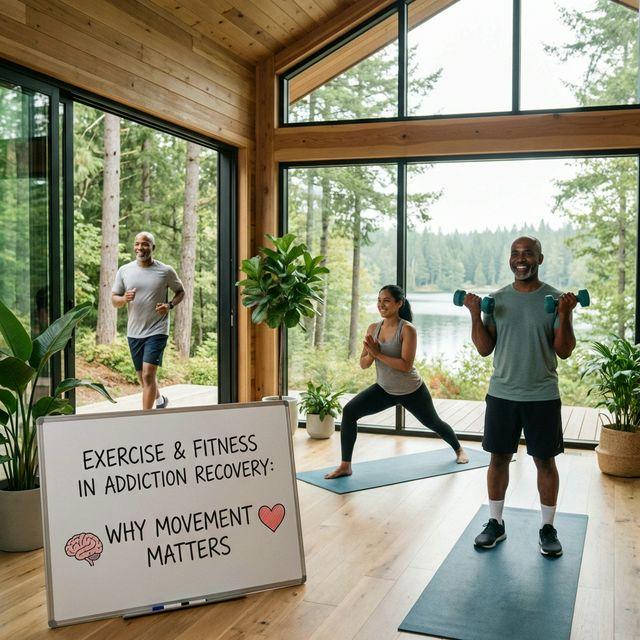
- Finding activities that produce natural dopamine, such as exercise, creative pursuits, and social connection, accelerates brain healing.
- Building a sense of purpose through service, work, or personal goals transforms recovery from endurance into engagement.
- Southern California offers abundant sober activities and communities for people rebuilding their social lives.
Why Sobriety Feels Boring at First
Almost everyone in early recovery experiences boredom, and many describe it as one of the most unexpected and challenging aspects of sobriety. Understanding why this happens removes the fear that life without substances will always feel flat and colorless. The truth is that what you are experiencing is not genuine boredom; it is your brain adjusting to life without artificial dopamine stimulation.
During active addiction, substances flood the brain with dopamine at levels far exceeding what natural activities can produce. Over time, the brain downregulates its dopamine receptors, meaning it requires more stimulation to feel pleasure. When you remove substances, your brain is left with a diminished capacity to experience pleasure from normal activities like eating, socializing, exercising, or watching a sunset. This condition, known as anhedonia, is temporary, but it can last weeks to months.
At Trust SoCal in Fountain Valley, we educate clients about this neurological reality because understanding it is profoundly reassuring. You are not broken, and life in sobriety will not always feel this flat. Your brain is healing, and as it restores normal dopamine function, your capacity for natural pleasure will return and eventually exceed anything you experienced during active addiction.
Most people report significant improvement in their ability to enjoy everyday activities within three to six months of sustained sobriety as dopamine receptor density gradually returns to normal levels.
The Danger of Unstructured Time
Boredom is not merely uncomfortable; it is genuinely dangerous for people in recovery. Research identifies unstructured free time as one of the highest-risk periods for relapse. When you have nothing to do, your mind has space to wander toward thoughts of using. The romanticization of past substance use often fills idle moments, and without an alternative activity to redirect your attention, the pull toward relapse grows stronger.
This is why every effective aftercare plan includes structured daily schedules with minimal unplanned downtime, especially during the first six months. Scheduling is not about filling every minute with activity; it is about ensuring that you have a purposeful plan for each part of your day, including intentional rest and recreation time. The difference between planned relaxation and unstructured idleness is enormous in terms of relapse risk.
Strategies for Filling Your Time with Purpose
Addressing boredom in recovery requires a dual approach: filling your schedule with engaging activities in the short term while building a sense of purpose and meaning that sustains engagement in the long term. The following strategies address both dimensions.
Rediscover Old Interests and Explore New Ones
Think back to activities you enjoyed before addiction took over your life. Many people in recovery find that hobbies, sports, creative pursuits, and interests they abandoned years ago can be revived with surprisingly little effort. These familiar activities carry positive associations that can jumpstart your engagement with sober life.
Equally important is exploring new activities. Recovery is an opportunity for reinvention, and trying things you have never done before creates novelty and excitement that combats boredom. Take a cooking class, learn an instrument, join a sports league, start painting, try rock climbing, or volunteer with an organization whose mission inspires you. The goal is experimentation; not everything will stick, but the process of exploring is itself engaging.
- Make a list of twenty activities you might enjoy and try at least one per week
- Join a class or group to add social accountability to new pursuits
- Start a thirty-day challenge: try a new activity every day for a month
- Ask sober friends what they do for fun and join them
- Revisit childhood hobbies that brought you joy before substances entered your life
Service and Volunteering
Service to others is one of the most powerful antidotes to boredom and purposelessness in recovery. Volunteering shifts your focus from your own struggles to the needs of others, providing perspective, gratitude, and a sense of contribution that substances could never deliver. The twelve-step tradition of service is grounded in this principle, but you do not need to be in a twelve-step program to benefit.
Orange County offers countless volunteer opportunities, from serving at homeless shelters and food banks to mentoring at-risk youth, participating in beach cleanups, or helping at animal shelters. Trust SoCal encourages clients to incorporate service into their aftercare plans, and many of our alumni report that their volunteer commitments became one of the most meaningful aspects of their sober lives.
Building a Sense of Purpose in Recovery
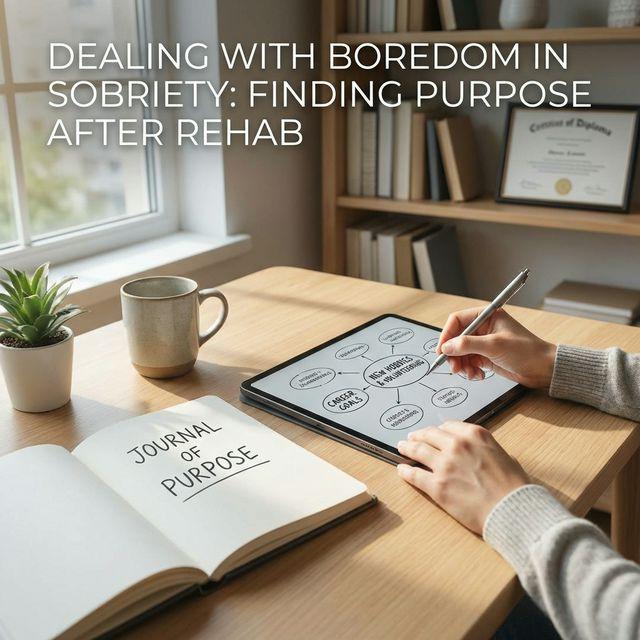
While filling your schedule with activities addresses the immediate problem of empty time, long-term engagement with sobriety requires something deeper: a sense of purpose. Purpose answers the question of why you are staying sober beyond simply avoiding negative consequences. It gives your recovery direction and meaning, transforming sobriety from something you are enduring into something you are building toward.
Purpose can come from many sources: career goals, creative projects, spiritual growth, family relationships, community involvement, or personal development. It does not need to be grand or world-changing. A purpose as simple as being a reliable, present parent or mastering a craft is sufficient to anchor your recovery and provide daily motivation.
If you are struggling to identify your sense of purpose, that is normal, especially in early recovery. Purpose often emerges gradually through experimentation, reflection, and engagement with new experiences. Talk to your therapist or sponsor about exploring purpose as a recovery theme. Trust SoCal clinical programming includes purpose and values exploration as part of our holistic approach to addiction treatment. Call (949) 280-8360 to learn more.
I used to think sobriety would be the most boring thing in the world. Now I realize that addiction was boring. I did the same thing every single day. Recovery is the first time in my life I am actually living.
— Trust SoCal Alumni
Sober Fun in Orange County and Southern California
One of the greatest advantages of pursuing recovery in Southern California is the sheer abundance of activities available year-round. The climate, geography, and cultural richness of Orange County make it an ideal place to build an active, engaging sober life. The opportunities for outdoor adventure, cultural exploration, and community involvement are virtually limitless.
Popular sober activities in the area include surfing, paddleboarding, and kayaking along the Orange County coastline; hiking in Crystal Cove State Park, Santiago Oaks, and the Aliso and Wood Canyons Wilderness; exploring the arts at the Laguna Art Museum and South Coast Repertory Theatre; attending local farmers markets in Fountain Valley and surrounding communities; and joining fitness communities such as running clubs, cycling groups, and outdoor yoga classes.
Trust SoCal alumni regularly organize group activities that provide sober fun and fellowship. These events create opportunities to enjoy everything Southern California has to offer in the company of people who understand and support your recovery journey.

Amy Pride, MFTT
Marriage & Family Therapy Trainee