Key Takeaways
- Exercise stimulates natural endorphin and dopamine production, helping repair the brain reward system damaged by addiction.
- As little as thirty minutes of moderate exercise three times per week produces measurable reductions in cravings and anxiety.
- Physical fitness provides structure, routine, and goal-setting opportunities that reinforce recovery habits.
- Southern California and Orange County offer year-round outdoor fitness options ideal for people in recovery.
- Starting small and building gradually is more effective than attempting intense regimens in early recovery.
How Exercise Supports the Recovering Brain
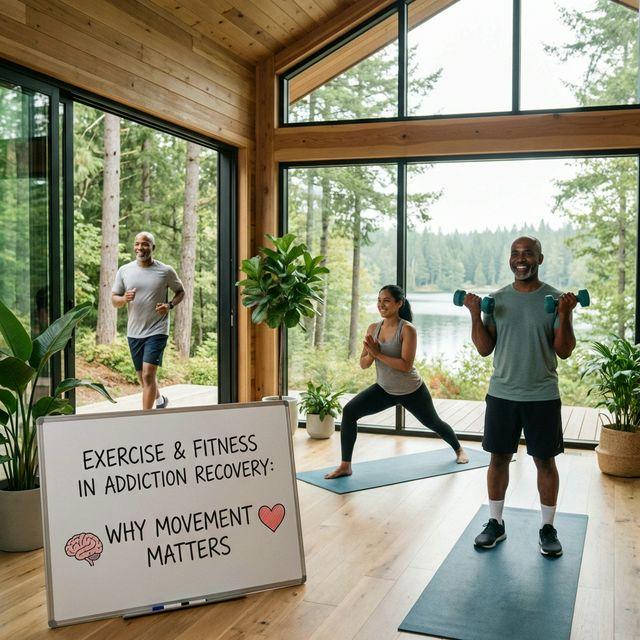
The relationship between exercise and addiction recovery is supported by robust scientific evidence. Physical activity triggers the release of endorphins, dopamine, serotonin, and norepinephrine, the same neurotransmitters that substances artificially flood the brain with during use. During active addiction, the brain downregulates its natural production of these chemicals, leaving people in early recovery feeling flat, unmotivated, and emotionally vulnerable. Regular exercise helps restore natural neurotransmitter function and accelerates the healing process.
Research published in the journal Frontiers in Psychiatry demonstrates that exercise reduces drug cravings by up to 50 percent in some populations. A meta-analysis in the Scandinavian Journal of Medicine and Science in Sports found that exercise programs during and after treatment significantly reduce depression and anxiety, two of the strongest predictors of relapse. These benefits are not limited to intense workouts; even moderate activities like walking and yoga produce measurable improvements.
At Trust SoCal, we incorporate physical wellness into our treatment programming because the evidence is unambiguous: movement matters for recovery. Whether you are an experienced athlete or someone who has never followed a fitness routine, exercise can be adapted to your current level and gradually built into a sustainable practice.
A study in the journal Drug and Alcohol Dependence found that people who exercised regularly during the first year of recovery were 75 percent more likely to maintain sobriety than those who did not exercise.
Types of Exercise Most Beneficial for Recovery
Different types of exercise offer different benefits for recovery, and the most effective approach combines multiple modalities throughout the week. The best exercise for you is ultimately the one you will do consistently, so personal enjoyment and sustainability should guide your choices. However, understanding the specific benefits of each type can help you design a well-rounded fitness routine.
Cardiovascular Exercise
Activities like running, swimming, cycling, and brisk walking elevate heart rate and produce the most significant endorphin response. Cardiovascular exercise is particularly effective for reducing anxiety, improving sleep quality, and managing stress. Many people in recovery find that running or cycling provides a meditative quality, allowing the mind to process emotions while the body is engaged in rhythmic movement.
Start with twenty minutes of moderate-intensity cardio three times per week and gradually increase duration and frequency. The goal is consistency, not intensity. Walking is a perfectly valid form of cardio, especially in early recovery when your body may be recovering from the physical effects of substance use.
Strength Training
Resistance training builds physical strength and simultaneously develops mental discipline, patience, and the ability to tolerate discomfort, all skills that transfer directly to recovery. The progressive nature of strength training, where you gradually increase resistance over time, mirrors the incremental progress of recovery and provides tangible evidence of growth.
Strength training also improves body composition and physical appearance, which can boost self-esteem and reinforce the positive identity changes associated with recovery. Start with bodyweight exercises or light weights and focus on learning proper form before increasing intensity.
Yoga and Mind-Body Practices
Yoga combines physical movement with breath awareness and mindfulness, making it uniquely suited to addiction recovery. Research specifically examining yoga for substance use disorders has found that it reduces stress hormones, improves emotional regulation, and increases distress tolerance. The emphasis on body awareness helps repair the interoceptive deficits common in people recovering from addiction.
Orange County offers dozens of yoga studios with classes suitable for all levels. Many recovery communities host free or low-cost yoga sessions specifically for people in sobriety. Trust SoCal includes yoga and stretching in our wellness programming to introduce clients to this valuable practice.
Starting an Exercise Routine in Early Recovery
Beginning an exercise routine in early recovery requires a balanced approach. Your body has likely been neglected during active addiction, and it needs time to heal. Starting too aggressively can lead to injury, burnout, or frustration that undermines your motivation. The goal is to establish a sustainable habit that you can maintain for the long term, not to achieve dramatic results in the first month.
Begin with activities you genuinely enjoy and commit to a frequency that feels manageable. Three sessions per week is an excellent starting point. Schedule your workouts at the same time each day to build routine and reduce the decision fatigue that can derail new habits. Treat exercise as an appointment with yourself that is as important as a therapy session or recovery meeting.
Consult with a healthcare provider before beginning any exercise program, especially if you have been physically inactive during a period of active substance use. Some individuals in early recovery have nutritional deficiencies, cardiovascular issues, or musculoskeletal problems that should be addressed before engaging in vigorous activity.
- Start with three sessions per week of twenty to thirty minutes each
- Choose activities you genuinely enjoy rather than forcing yourself into workouts you dread
- Schedule workouts at the same time each day to build consistency
- Track your progress to reinforce motivation and celebrate improvements
- Find an exercise partner or join a group class for accountability and social connection
- Listen to your body and rest when needed without guilt
Outdoor Fitness Opportunities in Orange County
One of the many advantages of pursuing recovery in Southern California is access to year-round outdoor fitness opportunities. Orange County offers a diverse landscape of beaches, trails, parks, and outdoor spaces that make exercise feel less like a chore and more like an adventure. Outdoor exercise provides the additional benefits of sunlight exposure for vitamin D production and mood regulation, as well as the calming effects of nature on the nervous system.
Popular outdoor options include walking or running along the Huntington Beach Strand, hiking trails in the Aliso and Wood Canyons Wilderness Park, cycling the Santa Ana River Trail, surfing at any number of local beaches, and outdoor yoga in community parks. Many of these activities are free, eliminating financial barriers to exercise.
Trust SoCal encourages clients to explore the outdoor fitness resources that Orange County offers. Building a connection with local trails, beaches, and parks during treatment creates a foundation for continued physical activity after discharge. When your workout locations are tied to positive recovery memories, they become powerful environmental cues that reinforce healthy behavior.
Avoiding Exercise Addiction and Finding Balance
While exercise is overwhelmingly positive for recovery, it is important to acknowledge that some individuals in recovery develop an unhealthy relationship with exercise. Exercise addiction, sometimes called compulsive exercise, shares neurological similarities with substance addiction and can become a substitute behavior that masks rather than addresses underlying emotional issues.
Signs of problematic exercise patterns include exercising despite injury, experiencing significant distress when unable to exercise, prioritizing workouts over relationships and responsibilities, and using exercise primarily to escape negative emotions rather than for health. If you notice these patterns, discuss them with your therapist. The goal is a healthy, balanced relationship with physical activity that complements your recovery rather than consuming it.
Trust SoCal teaches clients to approach fitness with the same principles we apply to all aspects of recovery: balance, self-awareness, and intentionality. Exercise should enhance your life and recovery, not become another form of compulsive behavior. If you need guidance on building a healthy relationship with fitness during recovery, our team is available at (949) 280-8360.
If you feel compelled to exercise even when injured or sick, or if missing a workout causes significant anxiety, discuss these patterns with your therapist. Balance is essential.

Amy Pride, MFTT
Marriage & Family Therapy Trainee