Key Takeaways
- Oahu offers several levels of addiction care including medical detox, residential treatment, and outpatient programs, though capacity is limited compared to the mainland.
- Queen's Medical Center and Kapiolani Medical Center provide hospital-based detox and psychiatric stabilization for Honolulu residents.
- Crystal methamphetamine remains the most commonly abused illicit substance in Hawaii, followed by prescription opioids and alcohol.
- Geographic isolation can limit treatment options, making mainland programs in Orange County, California a viable alternative.
- Hawaii Medicaid (QUEST Integration) and most private insurance plans cover substance abuse treatment at qualified out-of-state facilities.
- Trust SoCal in Fountain Valley, CA provides comprehensive addiction treatment and assists Hawaii residents with travel logistics and insurance verification at (949) 280-8360.
Understanding the Addiction Crisis in Honolulu and Oahu
Honolulu and the broader island of Oahu face a substance abuse crisis shaped by factors unique to Hawaii. The geographic isolation of the islands, the high cost of living, the cultural stresses of balancing traditional Hawaiian values with modern pressures, and the thriving tourism economy all contribute to elevated rates of substance use disorders across Honolulu County. From the high-rise corridors of Waikiki to the residential neighborhoods of Pearl City and Aiea, addiction touches every community on Oahu.
According to the Hawaii State Department of Health, methamphetamine remains the most commonly abused illicit drug in the state, with Oahu accounting for the largest share of treatment admissions. Opioid abuse, including fentanyl and prescription painkillers, has surged in recent years, while alcohol use disorder continues to affect residents across all demographics and zip codes. The combination of limited local treatment capacity and high demand means that many Oahu residents face waitlists and barriers to timely care.
If you or someone you love is experiencing a drug or alcohol emergency in Honolulu, call 911 immediately. For non-emergency treatment guidance and mainland options, contact Trust SoCal at (949) 280-8360.
Methamphetamine and Oahu's Drug Landscape
Crystal methamphetamine, commonly known as ice, has devastated communities across Oahu for decades. Law enforcement agencies report that meth is trafficked into Hawaii primarily through the mail system and shipping containers arriving at Honolulu Harbor. The drug's availability and potency have made it the leading driver of addiction-related hospitalizations, arrests, and family disruptions on the island.
- Hawaii consistently ranks among the top states for per capita methamphetamine use according to SAMHSA data
- Meth-related emergency department visits at Queen's Medical Center and Kapiolani have increased year over year
- The drug affects communities from North Shore towns like Haleiwa to urban neighborhoods in Kalihi and Chinatown
The Opioid and Fentanyl Threat
While Hawaii's opioid crisis has developed more slowly than on the mainland, the arrival of illicit fentanyl has accelerated overdose rates dramatically. Counterfeit pills containing fentanyl have been seized in increasing quantities across Oahu, and the Hawaii Department of Health has issued multiple public health advisories warning residents about the dangers of these substances.
- Fentanyl-related overdose deaths in Honolulu County have more than doubled since 2020
- Prescription opioid misuse remains a gateway to illicit drug use for many Hawaii residents
- Naloxone distribution programs are available through community health centers and harm reduction organizations on Oahu
Alcohol Use Disorder in Island Culture
Alcohol use disorder is pervasive across Oahu, fueled in part by the tourism industry, social norms around drinking in tropical settings, and the emotional toll of economic pressures. Many residents struggle to recognize problematic drinking because alcohol is so deeply embedded in social gatherings, from pau hana after-work drinks in Waikiki to backyard gatherings on the Windward Side.
- Hawaii's binge drinking rates among adults exceed the national average according to the CDC BRFSS data
- Alcohol-related liver disease is a leading cause of hospitalization at Queen's Medical Center
- Cultural sensitivity in treatment is essential given the role of alcohol in both tourism and local social customs
Types of Drug Rehab Programs Available on Oahu
Drug rehabilitation on Oahu spans a continuum of care from medical detoxification through long-term aftercare support. The island's treatment infrastructure includes hospital-based programs, standalone residential facilities, and community outpatient clinics, though the total number of licensed beds is considerably smaller than comparable mainland metropolitan areas. Understanding each level of care helps families make informed decisions about the best path to recovery.
The Hawaii Department of Health's Alcohol and Drug Abuse Division oversees the licensing and funding of substance abuse treatment programs across the state. All legitimate treatment programs on Oahu must hold current licensure from this division, which conducts regular inspections and enforces standards of care across all program types.
Medical Detoxification Programs
Medical detox is the critical first step for individuals physically dependent on substances such as opioids, methamphetamine, benzodiazepines, or alcohol. On Oahu, hospital-based detox services are available at Queen's Medical Center in downtown Honolulu and at several smaller facilities. Detox stays typically last three to ten days depending on the substance and severity of withdrawal.
- Queen's Medical Center offers medically supervised detoxification with 24-hour nursing care in the heart of Honolulu
- Kapiolani Medical Center provides detox and psychiatric stabilization services with specialized protocols for co-occurring disorders
- Community health centers in Kalihi and Waianae offer outpatient detox support for residents who do not require hospitalization
Residential and Inpatient Treatment
Residential treatment programs on Oahu provide structured, live-in environments where clients receive daily therapy, group counseling, and holistic wellness programming. Programs typically run 30 to 90 days, though some offer extended stays. Limited bed capacity on the island means waitlists are common, and many families explore mainland options to avoid dangerous delays.
- Hina Mauka in Kaneohe is one of Oahu's most established residential treatment providers with decades of service
- Salvation Army Addiction Treatment Services offers faith-informed residential programs in Honolulu
- Bobby Benson Center on the Windward Side provides residential care for adolescents and young adults
Outpatient and Intensive Outpatient Programs
Outpatient programs allow Oahu residents to receive treatment while maintaining work, school, or family responsibilities. Intensive outpatient programs typically require nine to fifteen hours of weekly participation and are available at facilities across Honolulu, from downtown clinics to programs in Pearl City and Kapolei.
- CARE Hawaii offers intensive outpatient programming at multiple locations across Honolulu County
- Ho'omau Ke Ola provides culturally grounded outpatient services incorporating Native Hawaiian healing practices
- Many outpatient programs offer evening and weekend scheduling to accommodate working professionals and students
Insurance and Payment Options for Hawaii Residents
Financial concerns are among the most common barriers preventing Oahu residents from seeking addiction treatment. However, Hawaii has some of the strongest health insurance mandates in the nation, and most residents have coverage that includes substance abuse treatment. Understanding your benefits is a critical early step in the treatment process.
Hawaii Medicaid, administered through the QUEST Integration program, covers a comprehensive range of substance abuse treatment services including medical detox, residential treatment, outpatient therapy, and medication-assisted treatment. Hawaii's Prepaid Health Care Act ensures that most workers have access to coverage that includes behavioral health and addiction treatment benefits.
Hawaii QUEST Integration Medicaid covers substance abuse treatment including detox, residential care, and outpatient services. Trust SoCal accepts most major insurance plans and offers free verification. Call (949) 280-8360 to check your benefits in minutes.
Major Insurance Providers in Hawaii
The Hawaii insurance market is dominated by a handful of major carriers, each required to provide coverage for substance use disorder treatment. HMSA, the state's Blue Cross Blue Shield affiliate, covers the majority of insured residents and provides robust behavioral health benefits that include addiction treatment services.
- HMSA (Blue Cross Blue Shield of Hawaii) covers detox, residential, and outpatient addiction treatment services
- Kaiser Permanente Hawaii offers integrated behavioral health services at its Honolulu and Waikiki clinics
- UnitedHealthcare, Aetna, and TRICARE are commonly accepted by both local and mainland treatment facilities
Using Hawaii Insurance at Mainland Facilities
Many Hawaii insurance plans provide out-of-network benefits that can be applied toward treatment at mainland facilities such as Trust SoCal in Fountain Valley, California. The admissions team at Trust SoCal specializes in helping Hawaii residents navigate insurance verification and can often secure authorization within 24 to 48 hours.
- Out-of-network benefits from HMSA and other Hawaii insurers can significantly reduce out-of-pocket costs for mainland treatment
- Trust SoCal handles all insurance pre-authorization paperwork on behalf of Hawaii residents and their families
- Call (949) 280-8360 for a confidential, no-obligation insurance benefits check before making any treatment decisions
Financial Assistance and Sliding Scale Options
For Oahu residents who are uninsured or underinsured, several financial assistance pathways exist. The Hawaii Department of Health's ADAD provides funding for treatment through federal block grants, and many local providers offer sliding scale fees. Nonprofit organizations such as Catholic Charities Hawaii also offer reduced-cost treatment services.
- ADAD block grant funding supports treatment for uninsured Hawaii residents at approved facilities
- Community health centers on Oahu offer behavioral health services on a sliding fee scale
- Trust SoCal works with families to explore all available financial options including payment plans
Challenges of Recovery on an Island
Recovering from addiction while living on Oahu presents challenges that mainland residents rarely encounter. The small, interconnected nature of island communities means that privacy is difficult to maintain, and the risk of encountering old using associates is high. Many people in recovery describe the feeling of being trapped, as there is no ability to simply drive to a new city or state to create distance from triggers.
The high cost of living in Honolulu adds another layer of stress that can undermine recovery. Housing costs, limited employment opportunities, and the financial pressures of island life can create a cycle of anxiety and hopelessness that makes relapse more likely. For individuals in early recovery, these environmental stressors can be overwhelming without a comprehensive aftercare plan.
Many addiction specialists recommend that Hawaii residents consider mainland treatment to gain physical and emotional distance from island-based triggers. Trust SoCal in Orange County, California is just a five-hour flight from Honolulu.
Limited Treatment Capacity
Oahu's treatment infrastructure remains insufficient to meet the demand for services. Waitlists at residential facilities can stretch from days to weeks, and specialized programs for populations such as pregnant women, adolescents, or individuals with co-occurring disorders are even more limited. This capacity gap forces some residents to choose between waiting or seeking immediate mainland care.
- Residential treatment beds on Oahu are often at full capacity, particularly for programs accepting Medicaid
- Specialized programs for teens, pregnant women, and Native Hawaiian populations are in especially short supply
- Waitlist delays can be dangerous for individuals in crisis, making mainland alternatives a time-sensitive consideration
Social and Cultural Pressures
Hawaiian culture emphasizes community, family, and social connection, which can be both a strength and a challenge in recovery. The support of ohana is a powerful recovery asset, but the social pressure to drink at gatherings, the stigma of addiction in close-knit communities, and the difficulty of establishing boundaries complicate the process significantly.
- The stigma of seeking addiction treatment can be amplified in small island communities where everyone knows each other
- Cultural expectations around hospitality and socializing often involve alcohol, creating persistent triggers
- Culturally informed treatment programs incorporating Hawaiian values tend to have stronger engagement and outcomes
Environmental Triggers in Tourist Areas
Living near or working in Waikiki and other tourism-heavy areas of Oahu creates constant exposure to alcohol and party culture. Bars, nightclubs, and liquor stores are concentrated in areas where many Honolulu residents work and commute, making it nearly impossible to avoid cues associated with substance use during early recovery.
- Waikiki alone contains hundreds of bars, restaurants, and nightclubs where alcohol is the primary focus
- Tourism industry workers face occupational exposure to substance use culture on a daily basis
- Creating a sober social life on Oahu requires intentional effort and strong recovery community connections
Why Hawaii Residents Choose Mainland Treatment at Trust SoCal
An increasing number of Oahu residents are choosing to travel to the mainland for addiction treatment, and Trust SoCal in Fountain Valley, California has become a preferred destination for many Hawaii families. Located in the heart of Orange County, Trust SoCal provides a comprehensive continuum of care in a healing environment that offers the geographic separation many Hawaii residents need.
Removing oneself from the people, places, and routines associated with substance use allows the brain and body to begin healing without the constant pull of familiar triggers. Trust SoCal's admissions team understands the unique needs of Hawaii residents and provides dedicated support for travel coordination, family communication, and insurance navigation.
Geographic Separation from Triggers
One of the most powerful advantages of mainland treatment for Oahu residents is the physical distance from the environments and relationships that fuel addiction. When you are 2,500 miles from drug connections, favorite bars, and enabling relationships, you can dedicate your full attention to building a foundation for lasting recovery.
- Physical distance from Oahu-based triggers allows clients to focus entirely on therapeutic work
- The five-hour flight from Honolulu to Orange County creates meaningful separation while remaining accessible
- Many clients report that leaving the islands was the single most important decision in their recovery journey
Trust SoCal's Comprehensive Treatment Programs
Trust SoCal offers medical detoxification, residential treatment, partial hospitalization, intensive outpatient programming, and aftercare planning. Every client receives an individualized treatment plan developed by a multidisciplinary clinical team. Evidence-based therapies such as CBT, DBT, EMDR, and motivational interviewing are integrated with holistic modalities including yoga, meditation, and fitness.
- Full continuum of care from medical detox through outpatient and aftercare support
- Individualized treatment plans addressing each client's unique substance use history and mental health needs
- Evidence-based therapies combined with holistic wellness programming in a Southern California setting
Travel and Logistics Support for Hawaii Families
Trust SoCal's admissions coordinators have extensive experience helping Hawaii families navigate the logistics of traveling to the mainland for treatment. From booking flights out of Daniel K. Inouye International Airport to arranging ground transportation in Orange County, the team handles every detail.
- Direct flights from Honolulu to Los Angeles or John Wayne Airport make travel straightforward
- Trust SoCal arranges airport pickup and transportation to the facility upon arrival in Orange County
- Family members can participate in therapy sessions via telehealth and plan visits during treatment
Local Recovery Support Resources on Oahu
Whether an individual completes treatment locally or returns to Oahu after mainland rehabilitation, connecting with local recovery support resources is essential for long-term sobriety. Oahu has a growing network of support groups, sober living homes, and community organizations dedicated to helping individuals maintain their recovery in the unique context of island life.
Alcoholics Anonymous and Narcotics Anonymous hold meetings daily across Oahu, from downtown Honolulu to the North Shore. Alternative recovery support options such as SMART Recovery and Refuge Recovery are also available. NAMI Hawaii provides support groups for individuals dealing with co-occurring mental health and substance use disorders.
12-Step and Mutual Aid Meetings
Oahu hosts one of the most active AA and NA meeting networks in the Pacific region. Meetings are held in churches, community centers, and dedicated meeting halls throughout Honolulu County. The Oahu Central Office of Alcoholics Anonymous maintains an up-to-date meeting schedule and provides information on specialized meetings.
- Over 200 AA meetings per week are held across Oahu, with concentrations in Honolulu, Kailua, and Pearl City
- Narcotics Anonymous holds daily meetings in Honolulu and surrounding communities with a welcoming aloha spirit
- SMART Recovery and Refuge Recovery offer evidence-based and mindfulness-based alternatives to 12-step programs
Sober Living and Transitional Housing
Sober living homes on Oahu provide structured, substance-free living environments for individuals who have completed primary treatment and need ongoing support. Given the extremely high cost of housing in Honolulu, sober living can also provide an affordable housing option during early recovery.
- Several sober living homes operate in Honolulu, Kailua, and Kaneohe with varying levels of structure
- Oxford House has established self-governing recovery residences on Oahu offering peer-supported sober living
- Transitional housing through Catholic Charities Hawaii and the Institute for Human Services serve individuals in recovery
Community-Based Recovery Organizations
A number of community organizations on Oahu provide recovery support services that complement formal treatment. These organizations offer peer mentoring, employment assistance, recreational activities, and community-building events that help individuals develop a sober social network.
- NAMI Hawaii provides mental health support groups and educational programs for individuals with co-occurring disorders
- The Windward Oahu Recovery Center offers peer support and drop-in services for individuals in all stages of recovery
- Community health centers in Waianae, Kalihi, and Wahiawa offer integrated behavioral health services with cultural sensitivity
Specialized Treatment Considerations for Oahu Populations
Effective addiction treatment must account for the diverse cultural and demographic landscape of Oahu. The island is home to a uniquely multicultural population that includes Native Hawaiians, Pacific Islanders, Asian Americans, military service members and veterans, and a large transient population connected to tourism. Each group faces distinct risk factors and responds to different treatment approaches.
Culturally responsive care that incorporates the values, beliefs, and healing traditions of Oahu's communities is a clinical necessity. Research demonstrates that individuals who receive culturally congruent treatment have better engagement, higher completion rates, and stronger long-term outcomes than those who receive generic programming.
Trust SoCal's clinical team has experience working with clients from diverse cultural backgrounds, including Native Hawaiian and Pacific Islander communities. Our culturally responsive approach ensures every client's heritage and values are honored throughout treatment.
Native Hawaiian and Pacific Islander Communities
Native Hawaiians and Pacific Islanders experience disproportionately high rates of substance use disorders compared to other ethnic groups. Historical trauma, cultural disconnection, economic marginalization, and systemic barriers to healthcare all contribute. Treatment programs incorporating traditional Hawaiian healing practices such as ho'oponopono and connection to 'aina have shown particular promise.
- Native Hawaiians are significantly more likely to experience methamphetamine use disorder than other ethnic groups in the state
- Cultural healing practices integrated with evidence-based therapies produce stronger outcomes for indigenous populations
- Ho'omau Ke Ola and Alu Like Inc. offer culturally grounded treatment and recovery support services on Oahu
Military Service Members and Veterans
Oahu is home to multiple major military installations including Pearl Harbor-Hickam Joint Base, Schofield Barracks, Marine Corps Base Hawaii in Kaneohe Bay, and Fort Shafter. The military population faces elevated rates of substance use disorders related to combat exposure, PTSD, traumatic brain injury, and the stresses of military life.
- TRICARE covers substance abuse treatment for active duty service members, dependents, and retirees at qualified facilities
- The VA Pacific Islands Health Care System provides addiction treatment services for veterans at its Honolulu campus
- Trust SoCal has experience treating active duty military and veterans and accepts TRICARE insurance
Tourism and Hospitality Industry Workers
Workers in Honolulu's massive tourism and hospitality industry face occupational risk factors including irregular hours, high stress, easy access to alcohol, and a workplace culture that normalizes heavy drinking. Hotel workers, restaurant staff, and nightlife employees in Waikiki may struggle to recognize when substance use has crossed into dependence.
- Hospitality workers in Hawaii report higher rates of alcohol and substance use than workers in most other industries
- Employee assistance programs through major hotel chains can provide confidential referrals to addiction treatment
- Flexible outpatient scheduling and mainland residential options accommodate unpredictable tourism worker schedules
Taking the First Step Toward Recovery from Oahu
The decision to seek help for addiction is one of the most courageous choices a person can make, especially for Oahu residents who may feel trapped by the constraints of island living. Whether you choose local treatment or travel to the mainland for care at Trust SoCal, the most important thing is to take that first step. Every day that addiction goes untreated increases the risk of overdose, health complications, and damaged relationships.
Trust SoCal's admissions team is available around the clock to speak with Oahu residents and their families about treatment options. A confidential phone call to (949) 280-8360 is all it takes to begin verifying insurance, exploring program options, and making a plan to start recovery. From Diamond Head to the Waianae Coast, there is hope for every person on Oahu ready to reclaim their life from addiction.
Leaving Hawaii for treatment felt impossible at first, but it turned out to be the best decision I ever made. The distance gave me the space to heal without the constant pull of old habits and old friends.
— Former Trust SoCal client from Honolulu
What to Expect When You Call Trust SoCal
When you call Trust SoCal at (949) 280-8360, you will speak with a compassionate admissions coordinator who understands the unique challenges facing Hawaii residents. The initial call is completely confidential and free of charge. Your coordinator will gather information, verify insurance benefits, and discuss treatment options tailored to your needs.
- Confidential, no-obligation phone consultation available 24 hours a day, 7 days a week
- Insurance verification completed within minutes so you understand coverage before making commitments
- Personalized treatment recommendations based on substance use history, mental health needs, and recovery goals
Planning Your Trip from Honolulu to Orange County
Traveling from Oahu to Trust SoCal is more straightforward than many families expect. Direct flights from Daniel K. Inouye International Airport to Los Angeles International Airport or John Wayne Airport depart daily, and Trust SoCal's team can assist with booking and logistics. Most clients arrive at the facility within hours of landing.
- Multiple daily direct flights connect Honolulu to Los Angeles and Orange County in approximately five hours
- Trust SoCal provides complimentary airport pickup and transportation to the treatment facility
- Clients can begin the clinical intake process on the same day they arrive from Hawaii
Building a Recovery Plan That Bridges Island and Mainland
The best treatment plans for Hawaii residents account for the transition back to island life after completing mainland rehabilitation. Trust SoCal's clinical team works with each client to develop a discharge plan that includes connections to Oahu-based recovery meetings, sober living options, outpatient providers, and community support organizations.
- Discharge planning begins early in treatment and includes detailed connections to Oahu recovery resources
- Telehealth aftercare sessions allow clients to continue working with Trust SoCal therapists after returning to Hawaii
- Alumni support programs maintain connection and accountability across the miles between Orange County and Oahu
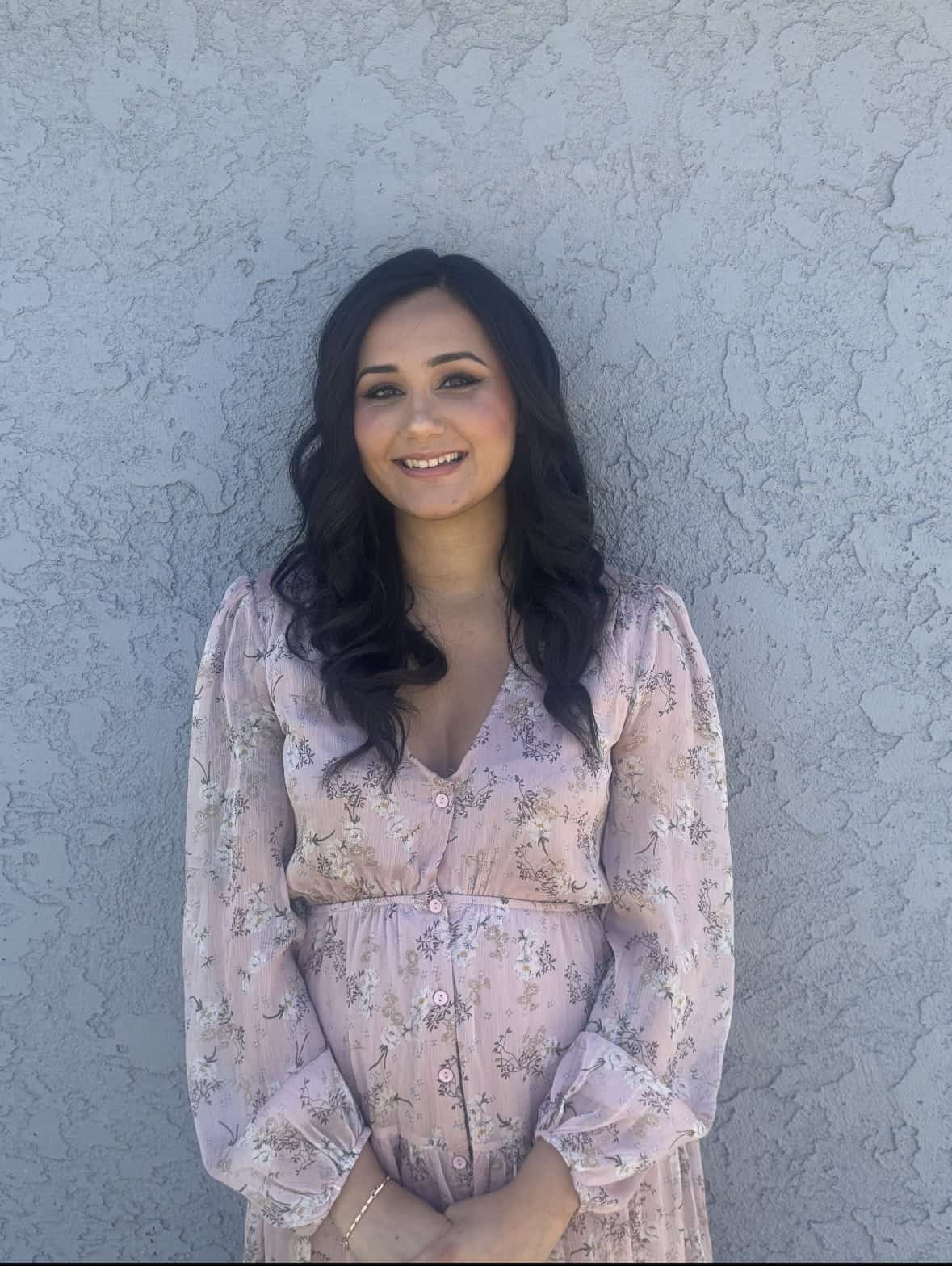
Rachel Handa, Clinical Director
Clinical Director & Therapist