Key Takeaways
- Horticultural therapy reduces cortisol levels by up to 25 percent after just 30 minutes of gardening activity.
- Caring for plants teaches responsibility, patience, and the connection between effort and outcome, skills directly applicable to recovery.
- Exposure to soil bacteria (Mycobacterium vaccae) has been shown to boost serotonin production naturally.
- Gardening provides gentle physical exercise suitable for all fitness levels and recovery stages.
- The sensory richness of gardening anchors attention in the present moment, supporting mindfulness practice.
What Is Horticultural Therapy and How Does It Help Recovery
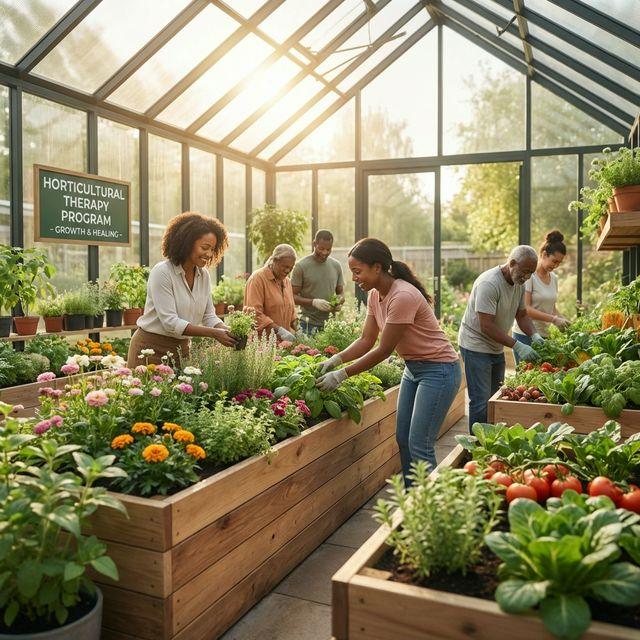
Horticultural therapy is the guided use of gardening activities to achieve specific therapeutic goals. Unlike casual gardening, horticultural therapy is facilitated by a trained professional who designs plant-based activities to address each client's emotional, cognitive, physical, and social needs.
In addiction recovery, horticultural therapy addresses multiple dimensions of healing simultaneously. The physical act of digging, planting, and weeding provides gentle exercise. The responsibility of caring for living things builds accountability. The sensory experience of soil, leaves, and flowers grounds clients in the present moment.
Trust SoCal in Fountain Valley incorporates nature-based therapeutic activities into our treatment programming because the evidence is compelling. A study in the Journal of Therapeutic Horticulture found that participants in garden therapy programs showed a 60 percent improvement in self-reported well-being scores compared to control groups.
The Science Behind Soil and Serotonin
One of the most fascinating findings in horticultural therapy research involves Mycobacterium vaccae, a naturally occurring bacterium found in soil. When humans come into contact with this bacterium through gardening, it triggers serotonin production in the brain. Serotonin is the neurotransmitter most associated with mood stability and feelings of well-being.
For individuals in recovery whose serotonin systems have been depleted by substance abuse, this natural boost is significant. It helps explain why many people report feeling unexpectedly calm and content after spending time in a garden, even during the emotional volatility of early recovery.
Beyond the microbiome connection, outdoor gardening exposes clients to natural sunlight, which supports vitamin D production and helps regulate circadian rhythms. Both of these factors contribute to better sleep and improved mood, critical components of sustainable recovery.
Research published in Neuroscience found that contact with Mycobacterium vaccae in soil activates serotonin-producing neurons in the brain, producing an antidepressant-like effect without medication.
Recovery Life Lessons from the Garden
Gardening offers powerful metaphors and practical lessons that parallel the recovery journey. Seeds do not sprout overnight. Growth requires consistent care, patience, and the right environment. Sometimes plants fail despite best efforts, and the gardener must start again without giving up.
These parallels are not lost on clients. Many describe their garden as a living reflection of their own recovery. Watching a seedling they planted grow into a thriving plant provides tangible evidence that nurturing something consistently produces results, a lesson that directly applies to sobriety.
- Patience: Plants grow on their own schedule, teaching clients to trust the process of recovery
- Responsibility: Daily watering and care build accountability habits that transfer to recovery routines
- Resilience: Plants recover from pruning and stress, modeling the human capacity for healing
- Acceptance: Not every seed germinates, teaching clients to handle setbacks without catastrophizing
- Delayed gratification: Waiting for harvest reinforces the value of long-term investment over instant reward
Physical Benefits of Gardening in Recovery
Gardening is a moderate-intensity physical activity that burns 200 to 400 calories per hour depending on the tasks performed. Digging, raking, and hauling soil engage major muscle groups while remaining accessible to people of all fitness levels.
Unlike gym workouts that can feel tedious in early recovery, gardening provides purposeful physical activity with a tangible outcome. The combination of movement and meaningful work increases exercise adherence, meaning clients are more likely to maintain a gardening practice long after formal treatment ends.
For clients in Orange County, the year-round growing season means gardening can be an ongoing wellness practice. Southern California's climate supports diverse plantings from vegetables and herbs to native drought-tolerant landscapes, providing variety and sustained engagement.
Gardening as Social Connection and Community Building
Community gardens offer a powerful antidote to the isolation that often accompanies addiction and early recovery. Working alongside others in a shared garden creates natural opportunities for conversation, cooperation, and relationship building without the pressure of formal social settings.
Many Trust SoCal alumni have found lasting social connections through community gardening projects in the Fountain Valley and greater Orange County area. These connections provide ongoing peer support and a sense of belonging that protects against relapse.
Group horticultural therapy sessions within treatment programs mirror the dynamics of recovery support groups. Clients share space, tools, and tasks while working toward a common goal. The collaborative nature of garden work builds interpersonal skills in a low-pressure, rewarding environment.
Many communities in Orange County offer free or low-cost community garden plots. Ask your treatment team at Trust SoCal about connecting with local gardening resources as part of your aftercare plan. Call (949) 280-8360 to learn more.
Starting a Recovery Garden at Home
You do not need a large yard to begin a therapeutic gardening practice. Container gardens on a patio, windowsill herb gardens, and even indoor houseplants provide many of the same benefits as outdoor gardening. The key is consistent, intentional interaction with living plants.
Start small with low-maintenance plants like succulents, herbs, or cherry tomatoes. As confidence grows, expand your garden gradually. The progressive nature of gardening mirrors the progressive nature of recovery: small, consistent actions compound into significant transformation.
Consider keeping a garden journal alongside your recovery journal. Document what you plant, how it grows, and how you feel during and after gardening sessions. Many clients discover that their garden entries become some of the most reflective and positive pages in their journals.

Courtney Rolle, CMHC
Clinical Mental Health Counselor