Key Takeaways
- Spending as little as 20 minutes in nature significantly reduces cortisol levels and lowers blood pressure.
- Hiking combines cardiovascular exercise with nature exposure for compounded mental health benefits.
- Natural environments reduce rumination, the repetitive negative thinking that contributes to relapse risk.
- Outdoor group activities build sober social networks and shared positive experiences.
- Southern California offers year-round access to diverse trail systems ideal for recovery-focused hiking.
The Healing Power of Nature in Addiction Recovery
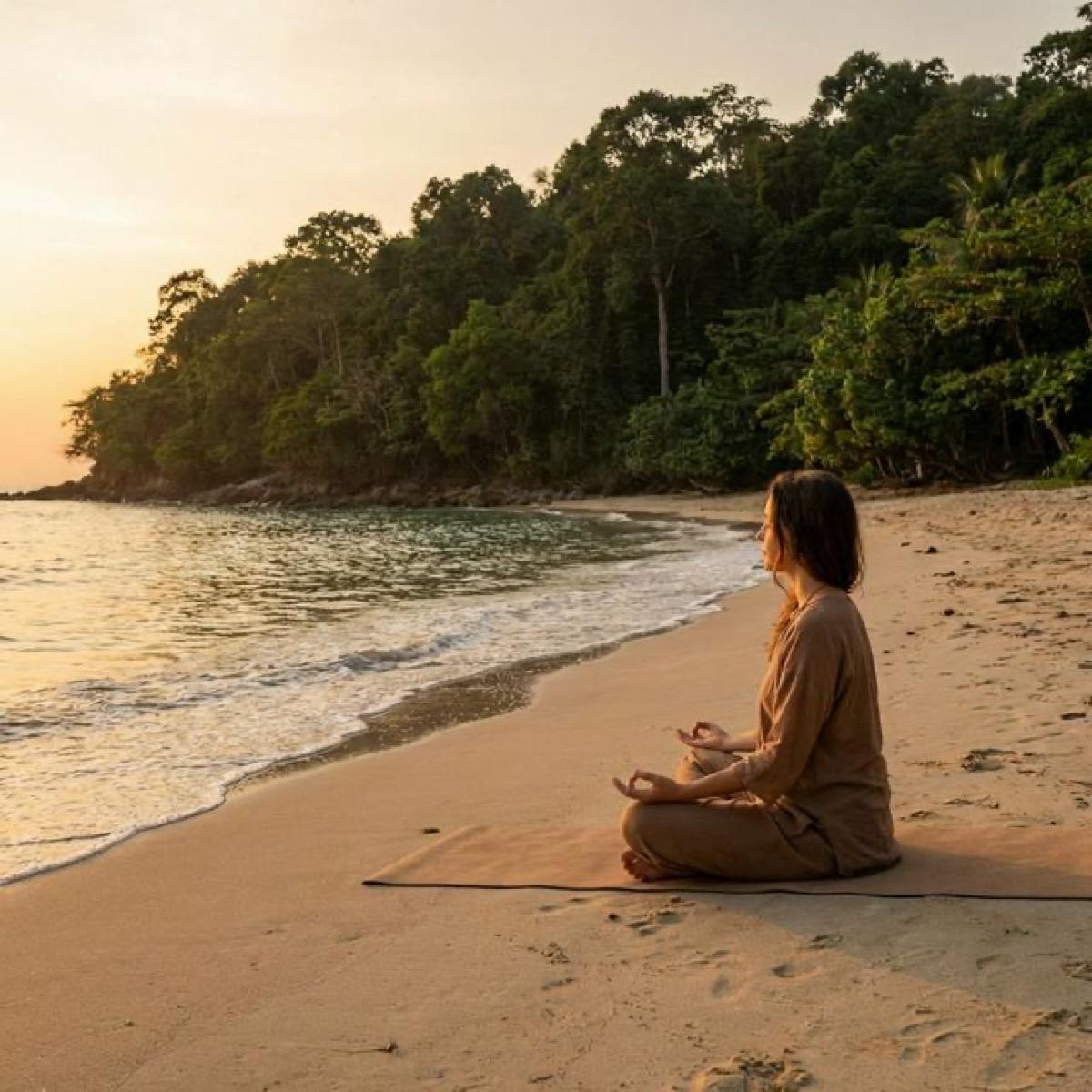
Nature therapy, sometimes called ecotherapy, is the practice of using structured outdoor experiences to promote psychological and physical healing. While humans have instinctively sought the restorative power of nature throughout history, modern research now quantifies what we have always felt: time in natural environments profoundly improves mental health.
A landmark study from Stanford University found that participants who walked in a natural setting for 90 minutes showed decreased activity in the subgenual prefrontal cortex, the brain region associated with rumination and repetitive negative thinking. This is significant for addiction recovery because rumination is a primary driver of anxiety, depression, and relapse.
At Trust SoCal, we encourage clients to incorporate nature-based activities into their recovery plans. Fountain Valley's proximity to coastal trails, regional parks, and mountain foothills means clients in Orange County have extraordinary access to diverse natural environments that support healing.
A study published in Proceedings of the National Academy of Sciences found that 90 minutes of walking in nature reduced neural activity linked to depression by 25 percent compared to walking in an urban setting.
How Hiking Specifically Supports Recovery
Hiking offers a unique combination of physical exercise, nature immersion, and goal-oriented activity that addresses multiple recovery needs simultaneously. Unlike gym workouts, hiking engages the senses with changing scenery, natural sounds, and fresh air, creating a rich sensory experience that anchors attention in the present.
The physical demands of hiking stimulate endorphin release while improving cardiovascular fitness, strength, and endurance. Many of these physical capacities are compromised by substance abuse, and hiking provides a progressive, self-paced way to rebuild them.
The Metaphor of the Trail
Hiking is rich with recovery metaphors. The trail goes uphill and downhill. Some sections are smooth and others rocky. You cannot see the summit from the trailhead, but each step brings you closer. These parallels are not forced; they emerge naturally as clients navigate actual terrain.
Reaching a summit or completing a challenging trail delivers a powerful sense of accomplishment. This achievement is concrete and undeniable, providing a counternarrative to the shame and self-doubt that often accompany addiction. Many clients describe trail accomplishments as turning points in their self-perception.
Forest Bathing and Sensory Immersion
Forest bathing, or shinrin-yoku, is a Japanese practice of slowly and mindfully immersing oneself in a forest environment. Unlike hiking, which involves physical exertion and destination, forest bathing emphasizes stillness, sensory awareness, and unhurried presence among trees.
Research shows that phytoncides, organic compounds released by trees, boost natural killer cell activity in the immune system and reduce stress hormones. For individuals in early recovery whose immune systems are often compromised, this nature-based immune boost is a valuable bonus.
Building Sober Social Connections on the Trail
One of the greatest challenges in recovery is building a social life that does not revolve around substances. Hiking groups provide a ready-made social environment centered on a healthy, engaging activity. The shared experience of navigating a trail creates natural bonding opportunities.
Many recovery communities in Southern California organize regular group hikes. These outings combine exercise, nature exposure, and fellowship in a single activity. The informal setting of a trail walk often facilitates deeper conversation than a meeting room, and the physical side-by-side positioning reduces the face-to-face intensity that some people find uncomfortable.
Trust SoCal connects clients with local sober hiking groups as part of aftercare planning. Trails throughout Orange County, from Crystal Cove State Park to Santiago Oaks Regional Park, offer options for every fitness level and provide stunning natural beauty that makes sobriety feel rich and rewarding.
Start with short, flat trails and build distance and elevation gradually. The goal is to enjoy the experience, not exhaust yourself. Many Orange County trails offer 1 to 3 mile loops perfect for beginners in recovery.
Safety Considerations for Hiking in Recovery
Hiking is generally safe, but clients in early recovery should take certain precautions. Physical deconditioning, medication effects, and dehydration risk all require attention. Proper preparation ensures that outdoor experiences remain positive and safe.
Always hike with a partner or group, especially in early recovery. Carry adequate water, wear appropriate footwear, and start with well-marked, well-trafficked trails. Check weather conditions and let someone know your planned route and expected return time.
- Get medical clearance before beginning a hiking program, especially if you have cardiovascular or respiratory concerns
- Carry at least one liter of water per hour of hiking in Southern California heat
- Wear sun protection including a hat, sunscreen, and sunglasses
- Start with trails rated easy to moderate and progress gradually
- Bring a fully charged phone for navigation and emergencies
- Know the signs of heat exhaustion: dizziness, nausea, excessive sweating, and confusion
Integrating Nature Therapy into Long-Term Recovery
Nature therapy is most effective as a consistent practice rather than an occasional outing. Building regular outdoor time into your weekly schedule ensures that the benefits accumulate and become a dependable part of your coping toolkit.
Consider establishing a weekly nature appointment: the same trail, the same time, rain or shine. This consistency transforms outdoor time from a leisure activity into a recovery practice. Over time, the trail itself becomes a place of reflection, peace, and renewal.
Southern California's year-round mild climate removes one of the biggest barriers to consistent outdoor activity. Whether you prefer coastal walks, canyon hikes, or mountain trails, the options are endless. Contact Trust SoCal at (949) 280-8360 to learn more about integrating nature-based activities into your treatment plan.

Kristin Stevens, LCSW
Licensed Clinical Social Worker