Key Takeaways
- Intersectionality theory explains how overlapping systems of oppression (racism, homophobia, transphobia, classism) create unique and compounded experiences of stress and discrimination.
- LGBTQ+ people of color face both racial discrimination and LGBTQ+ discrimination, often feeling marginalized in both communities and belonging fully to neither.
- Effective treatment must address all dimensions of a person's identity, not just their LGBTQ+ status or their substance use in isolation.
- Culturally responsive care requires providers who understand how race, class, gender, sexuality, and other factors interact to shape the addiction experience.
- Trust SoCal provides individualized, culturally responsive care that honors the full complexity of each client's identity. Call (949) 280-8360.
What Is Intersectionality and Why Does It Matter in Addiction Treatment?
Intersectionality, a term coined by legal scholar Kimberle Crenshaw in 1989, describes how multiple aspects of a person's identity, including race, gender, sexual orientation, class, disability, immigration status, and other factors, interact to create unique experiences of privilege and oppression. Rather than existing independently, these identity dimensions compound and modify each other. A Black gay man's experience is not simply "Black experience plus gay experience"; it is a distinct experience shaped by the interaction of both identities in a society that marginalizes both.
In the context of addiction, intersectionality means that LGBTQ+ individuals from different racial, economic, and cultural backgrounds experience addiction differently and face different barriers to treatment. A wealthy white gay man and a low-income Black transgender woman both face LGBTQ+-related stress, but the substance of their stress, the resources available to them, and the barriers they encounter in seeking treatment are vastly different. Treatment that assumes all LGBTQ+ individuals share the same experience fails to serve those whose experiences are shaped by multiple, compounding forms of marginalization.
Understanding intersectionality also means recognizing that LGBTQ+ communities themselves are not always inclusive. LGBTQ+ spaces can be marked by racism, transphobia, ableism, and classism. A person who is both LGBTQ+ and a person of color may feel marginalized within LGBTQ+ spaces where whiteness is centered, while also feeling marginalized within their racial or ethnic community where heterosexuality is assumed. This "double marginalization" creates unique stress that compounds addiction risk.
The National Survey on Drug Use and Health shows that LGBTQ+ people of color experience higher rates of substance use disorders and lower rates of treatment access compared to white LGBTQ+ individuals. Addressing these disparities requires culturally responsive, intersectional treatment approaches.
Race, Ethnicity, and LGBTQ+ Addiction
LGBTQ+ people of color navigate what scholars call "triple jeopardy": the intersection of racism, heterosexism/transphobia, and often poverty. Each system of oppression creates its own set of stressors, and their intersection produces unique challenges. A Latino gay man may face homophobia within his cultural community and racism within LGBTQ+ spaces, leaving him without a community that fully sees and affirms all of who he is. This isolation compounds addiction risk.
Cultural factors shape substance use patterns and treatment access in important ways. In some communities of color, there are strong cultural taboos against discussing sexuality or seeking mental health treatment. Language barriers may prevent non-English-speaking LGBTQ+ immigrants from accessing treatment. Racial discrimination within the healthcare system, including addiction treatment, creates mistrust that deters help-seeking. These barriers mean that LGBTQ+ people of color are less likely to access treatment and more likely to drop out when they do.
Effective treatment for LGBTQ+ people of color requires cultural responsiveness that goes beyond surface-level diversity training. It means staff who reflect the diversity of clients served, materials available in relevant languages, programming that addresses racial trauma alongside LGBTQ+ identity stress, and community partnerships with organizations serving LGBTQ+ communities of color. It means creating spaces where a person can be fully themselves, where their queerness and their racial or ethnic identity are both celebrated and understood.
Unique Challenges Facing LGBTQ+ People of Color in Recovery
LGBTQ+ individuals from diverse racial and ethnic backgrounds face specific, compounded challenges in recovery.
- Double marginalization: Facing discrimination in both racial/ethnic communities and LGBTQ+ spaces
- Cultural taboos: Strong prohibitions against discussing sexuality or seeking mental health treatment in some communities
- Language barriers: Limited availability of LGBTQ+-affirming treatment in languages other than English
- Healthcare mistrust: Historical and ongoing racial discrimination in medical settings deters help-seeking
- Immigration status fears: Undocumented LGBTQ+ individuals may fear deportation if they seek treatment
- Limited representation: Few LGBTQ+ people of color visible in recovery communities or treatment settings
- Economic barriers: Compounded economic disadvantage from both racial and LGBTQ+ discrimination
Class, Poverty, and LGBTQ+ Substance Use
Economic factors significantly shape the intersection of LGBTQ+ identity and addiction. LGBTQ+ individuals, particularly transgender people and LGBTQ+ people of color, experience higher rates of poverty than the general population. Employment discrimination, housing discrimination, family rejection (which often includes financial cut-off), and healthcare barriers all contribute to economic marginalization. Poverty limits access to treatment, reduces the availability of healthy coping resources, and increases exposure to environments where substance use is prevalent.
The relationship between class and LGBTQ+ substance use is complex. While addiction affects all economic levels, the substances used, the contexts of use, and the consequences differ by class. A wealthy LGBTQ+ person may use expensive substances in private settings and have access to private treatment. A low-income LGBTQ+ person may use cheaper, more dangerous substances, face homelessness as a consequence of addiction, and have limited treatment options. Publicly funded treatment programs may not be LGBTQ+-affirming, creating a double bind where the only available treatment is not safe.
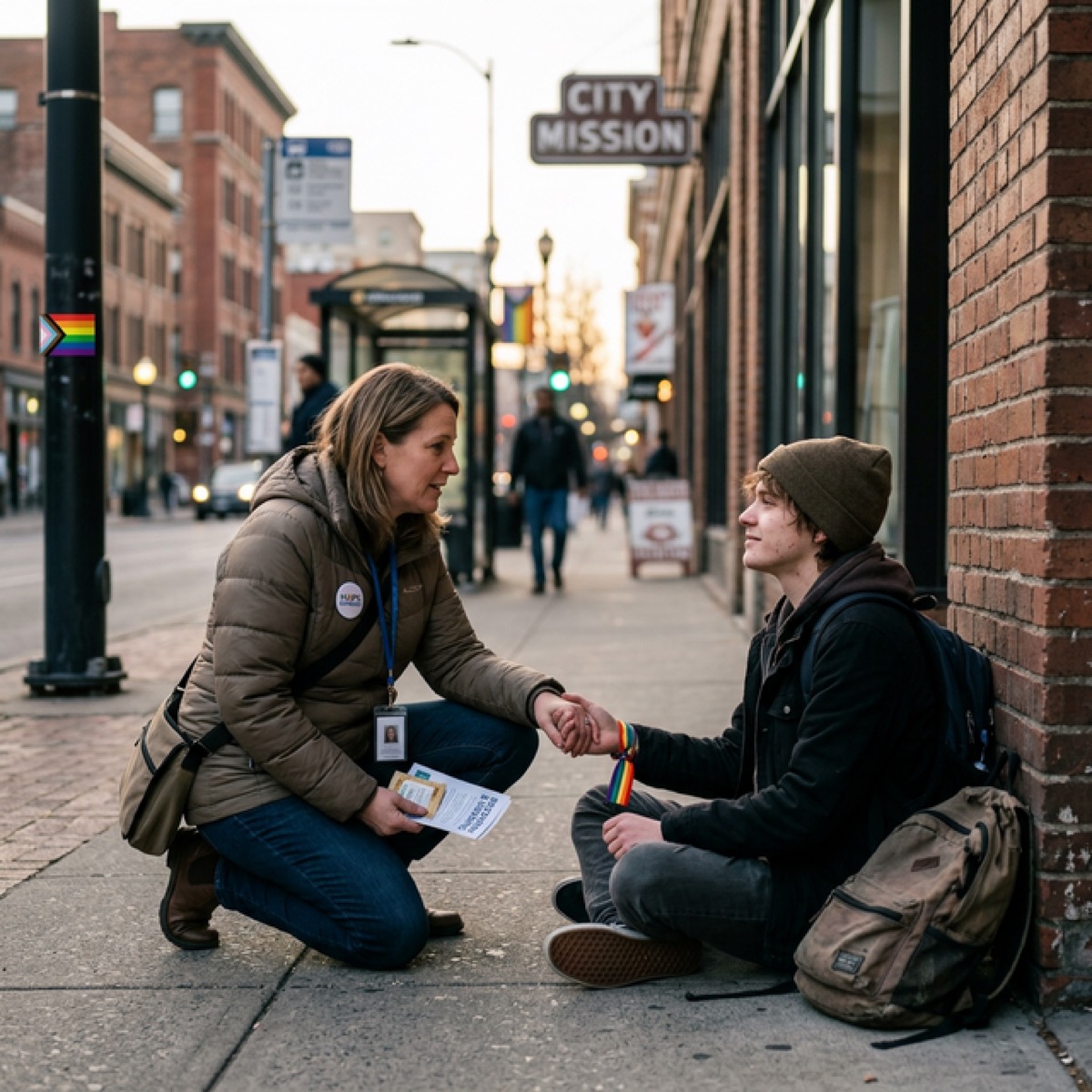
Treatment that addresses intersectionality must also address practical needs: housing, employment, food security, healthcare access, and legal issues. For a homeless transgender person of color struggling with addiction, offering therapy without addressing housing is like treating a symptom while ignoring the disease. Comprehensive, wraparound services that address the full spectrum of a person's needs are essential for populations facing multiple, compounding forms of marginalization.
For LGBTQ+ individuals facing poverty, homelessness, or lack of insurance, addiction treatment can feel inaccessible. Trust SoCal can help navigate insurance, financial assistance, and community resources to make treatment possible. Call (949) 280-8360.
Disability, Neurodivergence, and LGBTQ+ Recovery
LGBTQ+ individuals with disabilities or neurodivergent conditions face additional intersecting challenges. A deaf queer person may struggle to find both LGBTQ+-affirming and ASL-accessible recovery resources. An autistic transgender person may find the social dynamics of group therapy overwhelming while simultaneously needing affirming gender care. A physically disabled LGBTQ+ person may face ableism within LGBTQ+ spaces that center able-bodied experiences.
Neurodivergence, including ADHD, autism spectrum conditions, and learning disabilities, is increasingly recognized as a factor in substance use vulnerability. When neurodivergence intersects with LGBTQ+ identity, the compounded experiences of feeling different, not fitting in, and being misunderstood create heightened alienation and substance use risk. Treatment must be flexible enough to accommodate diverse neurological profiles while maintaining LGBTQ+ affirmation.
When seeking treatment, communicate all dimensions of your identity and needs, including any disabilities or neurodivergent conditions. The best treatment is treatment tailored to you as a whole person. Call (949) 280-8360 to discuss your specific needs.
Creating Inclusive Treatment for Multiply-Marginalized Clients
Treatment programs can better serve clients with intersecting identities by implementing these practices.
- Staff diversity reflecting the populations served, including LGBTQ+ people of color and disabled providers
- Accessibility accommodations for clients with physical, sensory, and cognitive disabilities
- Materials and programming available in multiple languages
- Assessment protocols that explore all dimensions of identity, not just presenting concerns
- Community partnerships with organizations serving specific intersecting populations
- Ongoing cultural humility training for all staff that addresses intersecting oppressions
- Wraparound services addressing housing, employment, food, healthcare, and legal needs
Resilience at the Intersections
While intersectionality describes compounded risk, it also describes compounded resilience. LGBTQ+ people of color, disabled queer people, and other multiply-marginalized individuals often develop extraordinary strength, creativity, and community-building capacity precisely because they have navigated so many systems of oppression. The concept of "strong Black woman," the resilience of immigrant families, and the radical community-building of queer people of color all represent forms of intersectional resilience that can be mobilized in recovery.
Treatment that honors intersectionality does not only identify risk factors but also recognizes and builds on the unique strengths that come from navigating multiple identities. The cultural knowledge, community connections, creative problem-solving, and emotional resilience that multiply-marginalized individuals bring to recovery are assets, not just the deficits of compounded discrimination.
Intersectionality is not only about compounded risk; it is also about compounded resilience. The skills developed through navigating multiple systems of oppression can be powerful recovery resources when recognized and supported.
Finding Intersectionally-Competent Treatment
When seeking treatment, look for programs that demonstrate genuine commitment to diversity and inclusion, not just in marketing materials but in staff composition, programming, and organizational culture. Ask about the program's experience with clients who share your specific intersecting identities. Inquire about accessibility, language services, and cultural accommodations.
Trust SoCal is committed to providing individualized, culturally responsive care that honors the full complexity of each client's identity. We understand that effective treatment must address not just substance use but the intersecting systems of stress, discrimination, and resilience that shape each person's relationship with substances. Call (949) 280-8360 to discuss how we can serve your specific needs.

Trust SoCal Editorial Team, Clinical Review Board
Editorial & Clinical Review