Key Takeaways
- Laughlin residents face casino culture challenges similar to Las Vegas despite being 100 miles south in Mohave County.
- Primm, located on the California-Nevada border, has extremely limited local services and geographic challenges for treatment access.
- Indian Springs residents, with the nearby Nevada National Security Site, face unique community dynamics and may have limited treatment options.
- Geographic isolation makes travel for treatment a necessity for all three communities.
- Out-of-state treatment in California or Arizona may be the most practical option for residents of these remote Nevada communities.
Casino Culture and Isolation: Understanding Addiction in Laughlin, Primm, and Indian Springs
Laughlin, Primm, and Indian Springs represent three very different Nevada communities that share a common challenge: geographic isolation from major population centers combined with specific cultural or environmental factors that impact addiction risk and treatment access.
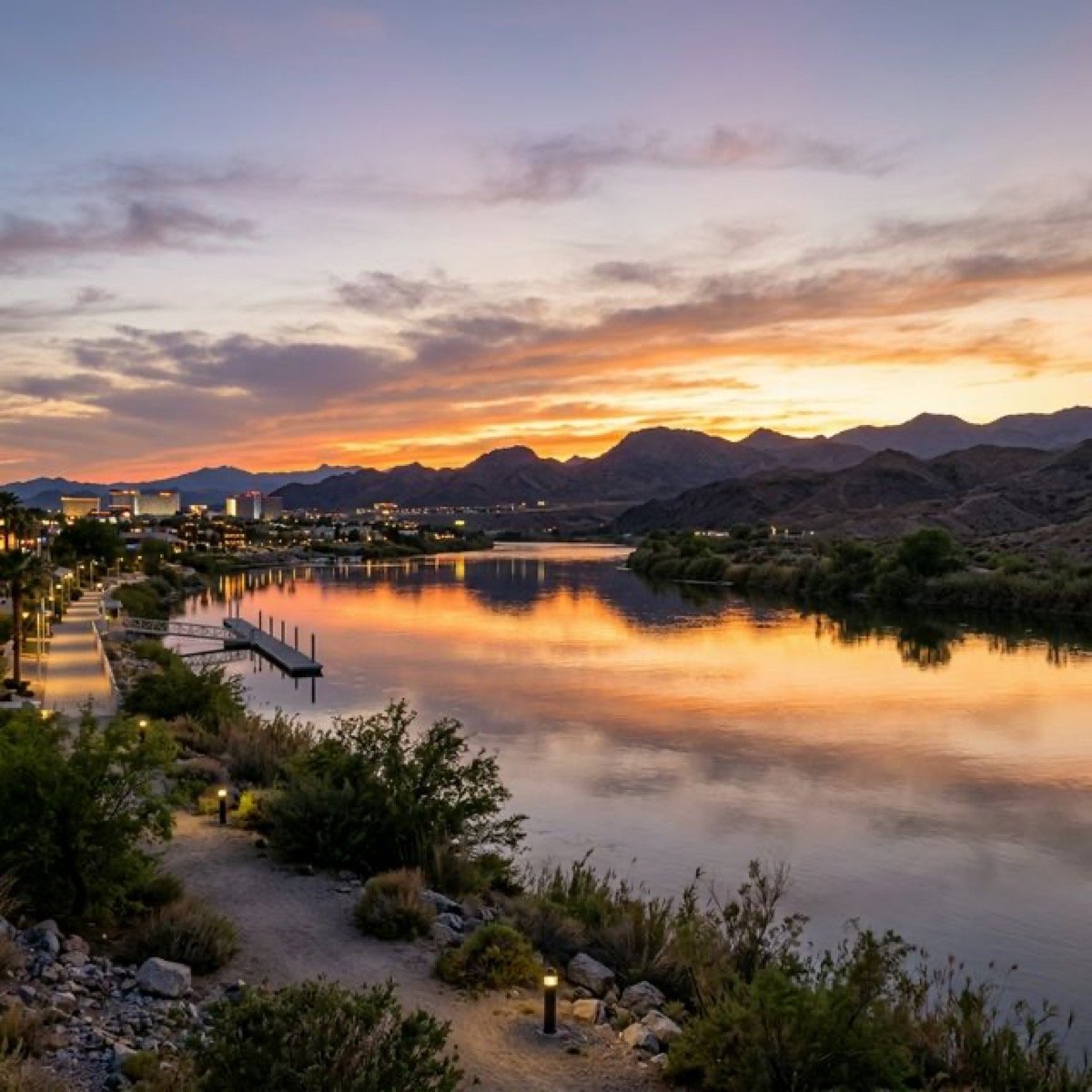
Laughlin, located along the Colorado River approximately 100 miles south of Las Vegas in Mohave County, is known for its casino resorts and slot machine culture. While smaller and quieter than Las Vegas, Laughlin still revolves around gambling and nightlife, creating an environment where substance abuse and gambling addiction thrive.
Primm, located on the California-Nevada border along I-15, is essentially a truck stop and casino community with minimal permanent population. Residents and transient workers in Primm face extreme geographic isolation and virtually no local addiction treatment resources.
Indian Springs, a remote community in Nye County with a small permanent population, has unique characteristics shaped by its proximity to the Nevada National Security Site (formerly Nevada Test and Training Range). The community faces geographic isolation and limited service infrastructure.
Residents of Laughlin, Primm, or Indian Springs struggling with addiction should know that adequate local treatment may not be available. Planning travel for treatment or considering out-of-state options is often necessary. Call Trust SoCal at (949) 280-8360.
Addiction in Laughlin: The Second Nevada Casino Town
Laughlin's economy revolves almost entirely around casino gaming and tourism. The town is home to multiple large casino resorts including Riverside Resort, Flamingo Laughlin, Don Laughlin's Riverside Resort, and others. This casino culture shapes the community's environment, social norms, and the substance abuse patterns of residents.
Laughlin residents who work in casinos or have family members in the gaming industry experience occupational and familial exposure to gambling and drinking culture. Even residents not directly involved in gaming industries cannot avoid the pervasive casino presence in their community.
Substance abuse in Laughlin includes high rates of alcohol use disorder driven by the easy availability of alcohol and the social normalization of heavy drinking. Stimulants and other drugs are available through the same supply chains that serve Las Vegas, and gambling addiction frequently co-occurs with substance abuse.
Treatment Challenges Specific to Laughlin
Laughlin residents face specific barriers to accessing adequate treatment.
- Approximately 100 miles from Las Vegas treatment centers requiring 1.5 to 2-hour drive for outpatient care
- No local medical detoxification or residential treatment facilities
- Casino-saturated environment makes trigger avoidance nearly impossible
- Small local employment market heavily concentrated in casinos
- Limited recovery community and support resources within Laughlin itself
Primm: Treatment Access in an Extremely Remote Community
Primm occupies a unique position in Nevada as essentially a casino and truck stop community on the California-Nevada border. The permanent population is minimal, with most activity driven by travelers and casino traffic. For the handful of people who consider Primm their home, accessing addiction treatment requires extensive travel.
Primm has virtually no local addiction treatment services. The community lacks medical facilities capable of supporting detoxification or residential treatment. Primm residents seeking treatment must travel approximately 30-40 miles to California or 60+ miles to Las Vegas, making local treatment access a significant challenge.
The remote location of Primm is actually protective in some ways—the geographic distance from major supply routes and drug distribution networks may limit substance availability. However, for individuals who do develop substance abuse problems, the isolation becomes a barrier to accessing help.
Indian Springs: Recovery Options in a Unique Nevada Community
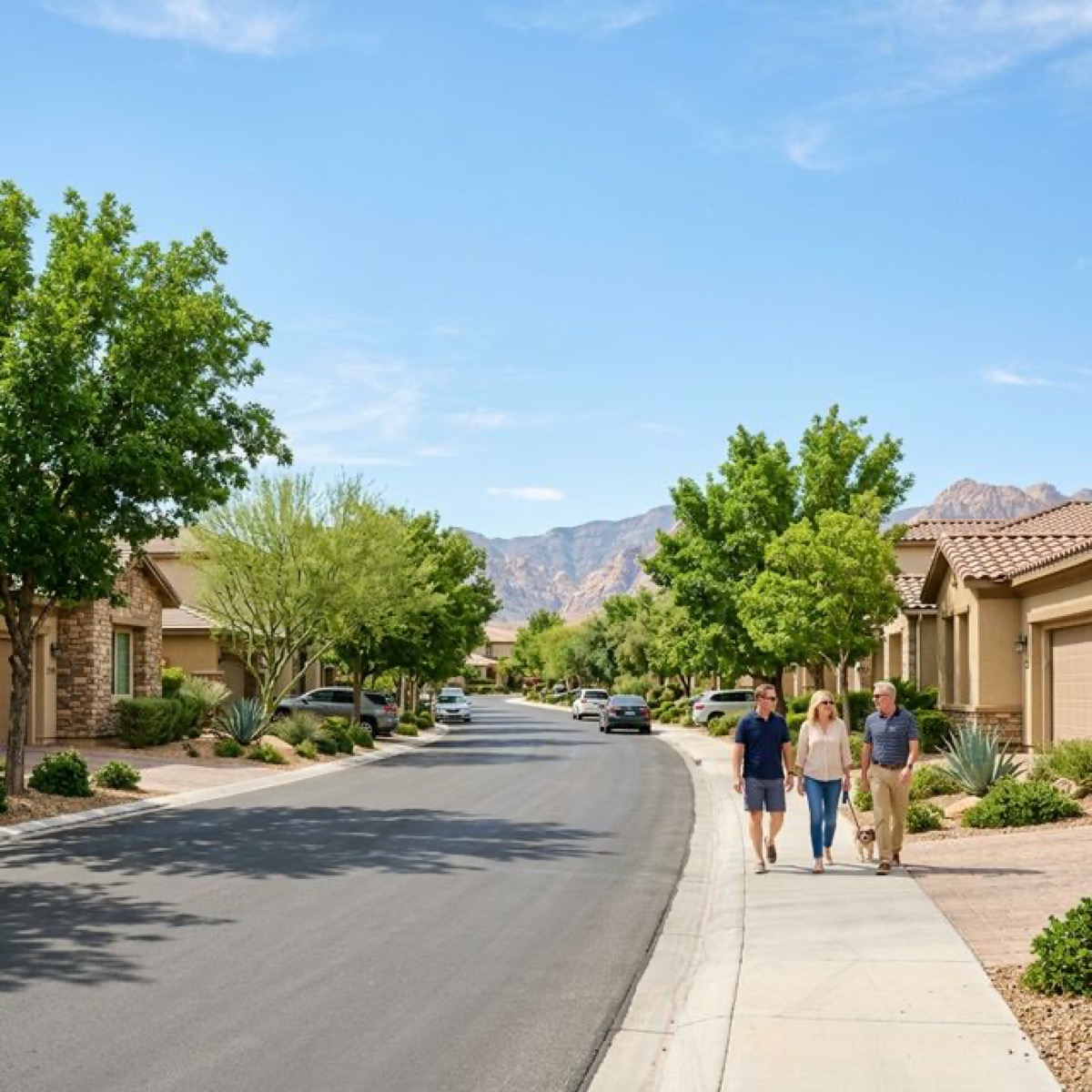
Indian Springs is a small, remote community in Nye County located near the Nevada National Security Site. The community has a unique character shaped by its proximity to the federal facility and the population that works in associated industries.
Indian Springs lacks a robust commercial district or service infrastructure, meaning that addiction treatment must be accessed outside the community. Las Vegas is approximately 65 miles away, and other Nevada communities offering treatment services are at similar distances.
For Indian Springs residents, the geographic isolation that characterizes the community is both a protective factor (distance from the most intense trigger environments) and a barrier (limited local service access).
Travel-Based Treatment: A Necessity for Remote Nevada Communities
For residents of Laughlin, Primm, and Indian Springs, seeking addiction treatment necessarily involves travel. The question becomes not whether to travel, but how far and to where—Las Vegas, Arizona, California, or another location.
For Laughlin residents relatively close to Las Vegas, accessing Clark County treatment may be feasible for outpatient care, though residential treatment typically requires either relocating to the Las Vegas area temporarily or considering alternatives. For Primm and Indian Springs residents, Las Vegas is far enough that residential treatment requires similar commitment to out-of-state options.
This reality actually creates an opportunity. Since travel is necessary regardless, residents of these remote communities may find that the additional distance to Orange County, California is not substantially more difficult than reaching Las Vegas, while providing significantly superior clinical resources and recovery environment.
Laughlin, Primm, and Indian Springs residents often find that traveling 6-8 hours to Trust SoCal in Orange County provides better clinical resources and recovery environment than closer options. Let us handle the logistics. Call (949) 280-8360.
Building Recovery Support After Treatment in Remote Communities
For residents of Laughlin, Primm, or Indian Springs completing addiction treatment, the transition back to their home communities requires careful planning and accessible recovery resources. The geographic isolation that characterizes these communities continues after treatment, making virtual support and telehealth options essential.
Treatment providers must develop aftercare plans that account for the limited local recovery infrastructure. Virtual AA meetings, online recovery support groups, telehealth therapy sessions, and coordination with distant providers become essential components of ongoing recovery support.
Some residents of these remote communities decide to relocate to areas with more robust recovery infrastructure after completing treatment. Trust SoCal can help coordinate this possibility and connect graduates with recovery communities in their new locations.
Making Treatment Decisions for Laughlin, Primm, and Indian Springs Residents
Residents of Laughlin, Primm, and Indian Springs should recognize that seeking addiction treatment necessarily involves travel, and they should consider all available options rather than settling for the nearest location simply because it is closest.
For some, Las Vegas treatment makes sense due to proximity and access to multiple facilities. For others, Orange County treatment provides better clinical resources and a superior recovery environment despite the greater distance. Trust SoCal can help residents of these remote communities evaluate options, verify insurance coverage, and coordinate treatment.
The investment of travel for treatment is an investment in recovery. Call Trust SoCal at (949) 280-8360 to explore options and begin your recovery journey.
Rachel Handa, Clinical Director
Clinical Director & Therapist