Key Takeaways
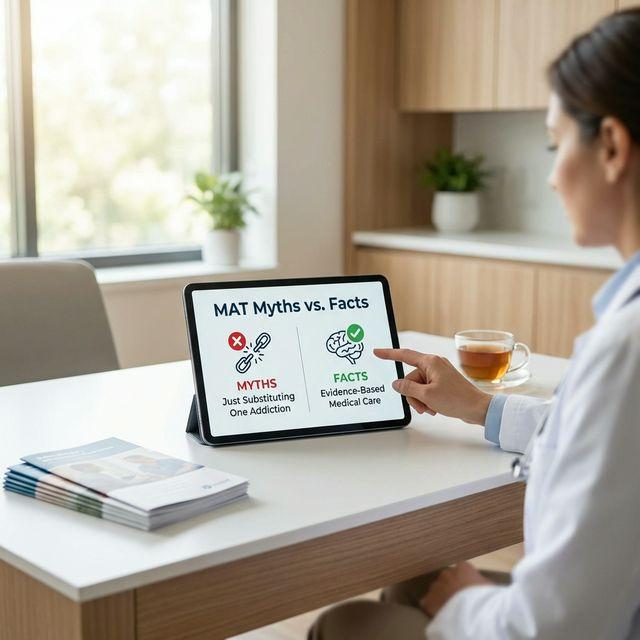
- MAT is not replacing one addiction with another; it is an evidence-based medical intervention that normalizes brain chemistry.
- Research shows MAT reduces opioid overdose deaths by up to 50 percent when combined with behavioral therapy.
- Medications like buprenorphine, methadone, and naltrexone have decades of clinical research supporting their safety and efficacy.
- MAT is endorsed by SAMHSA, the WHO, the AMA, and virtually every major medical organization.
- Stigma against MAT prevents many people from accessing life-saving treatment.
What Is Medication-Assisted Treatment?
Medication-assisted treatment, commonly known as MAT, is the use of FDA-approved medications in combination with counseling and behavioral therapies to treat substance use disorders. The three medications most commonly used for opioid use disorder are buprenorphine (brand names include Suboxone and Sublocade), methadone, and naltrexone (brand name Vivitrol). Each medication works differently but shares the same goal: reducing cravings, preventing withdrawal, and supporting long-term recovery.
MAT is not a standalone treatment. It is most effective when integrated into a comprehensive treatment plan that includes individual therapy, group counseling, and support for co-occurring mental health conditions. At Trust SoCal in Fountain Valley, MAT is one component of a holistic approach to addiction recovery that addresses the biological, psychological, and social dimensions of substance use disorders.
Despite overwhelming scientific evidence supporting its effectiveness, MAT continues to face significant stigma from both the general public and, unfortunately, some segments of the recovery community. This stigma is rooted in misconceptions that we will address directly in this article.
Myth: MAT Is Just Replacing One Drug with Another
This is the most pervasive myth about medication-assisted treatment, and it is fundamentally incorrect. Addiction is characterized by compulsive use despite negative consequences, loss of control, and continued use in the face of harm. MAT medications do not produce these effects when taken as prescribed. Buprenorphine, for example, is a partial opioid agonist that occupies opioid receptors in the brain without producing the euphoria associated with drugs of abuse. It stabilizes brain chemistry and allows the person to function normally.
The analogy that best illustrates this distinction is insulin for diabetes. No one would suggest that a diabetic taking insulin is simply replacing one substance with another. Insulin corrects a biological imbalance that the body cannot manage on its own. Similarly, MAT medications correct the neurochemical imbalances caused by chronic substance use, giving the brain time to heal while the individual engages in the therapeutic work of recovery.
The National Institute on Drug Abuse, the Substance Abuse and Mental Health Services Administration, and the World Health Organization all classify MAT as an evidence-based best practice for treating opioid use disorder. Denying someone access to these medications based on philosophical objections is inconsistent with the medical evidence and can have fatal consequences.
Withholding medication-assisted treatment from patients with opioid use disorder is like withholding insulin from patients with diabetes. Both are chronic conditions that respond to medical intervention.
— National Institute on Drug Abuse
Myth: People on MAT Are Not Really Sober
The definition of sobriety has evolved as our understanding of addiction science has advanced. Historically, sobriety was defined as complete abstinence from all substances, including prescribed medications. This definition, while well-intentioned, does not account for the neurobiological reality of addiction. A person who is stable on buprenorphine, attending therapy, rebuilding relationships, and contributing to their community is in recovery by every meaningful clinical measure.
SAMHSA defines recovery as a process of change through which individuals improve their health and wellness, live self-directed lives, and strive to reach their full potential. This definition makes no distinction between recovery achieved through abstinence alone and recovery supported by medication. What matters is the quality of the person's life, their ability to function, and their engagement in ongoing treatment and support.
At Trust SoCal in Orange County, we embrace a compassionate, science-informed view of recovery that includes MAT as a valid and often essential component of treatment. We have seen firsthand how medication-assisted treatment enables clients to engage more fully in therapy, maintain stable employment, and rebuild family relationships that were damaged by addiction.
Myth: MAT Is Only for Short-Term Use
Some people believe that MAT should be used only during the initial stages of treatment and then discontinued as quickly as possible. While some individuals do eventually taper off their medication successfully, research consistently shows that longer durations of MAT are associated with better outcomes, including lower relapse rates and reduced overdose risk. For some people, indefinite maintenance on medication is the safest and most effective approach.
The decision about how long to continue MAT should be made collaboratively between the patient and their physician based on individual clinical factors. Premature discontinuation of MAT, particularly when driven by external pressure rather than clinical readiness, significantly increases the risk of relapse and overdose. The first few months after stopping MAT are an especially dangerous period because tolerance has decreased but cravings may remain.
Trust SoCal works with each client to develop a medication management plan that reflects their unique needs and timeline. Some clients may taper over several months, while others may benefit from long-term maintenance. There is no shame in either path. The goal is sustained recovery, and the route taken to get there should be guided by science, not stigma.
Stopping MAT medications abruptly without medical supervision can be dangerous. Always work with your prescribing physician to develop a safe tapering plan if discontinuation is appropriate for your situation.
Myth: MAT Is a Crutch That Prevents Real Recovery Work
Far from being a crutch, MAT often makes meaningful therapeutic work possible for the first time. When a person is consumed by cravings, experiencing withdrawal symptoms, or spending all their mental energy trying to resist the urge to use, they have very little capacity for the deep psychological work that therapy requires. By stabilizing brain chemistry, MAT frees up cognitive and emotional resources that can be directed toward understanding the root causes of addiction, developing coping skills, and building a sustainable recovery lifestyle.
Clinical data supports this perspective. Studies published in the Journal of Substance Abuse Treatment found that clients receiving MAT demonstrated higher rates of therapy attendance, longer retention in treatment programs, and greater engagement in aftercare services compared to those receiving behavioral interventions alone. These findings suggest that medication enhances rather than replaces the recovery process.
At Trust SoCal, clients who receive MAT participate in the same comprehensive clinical programming as all other clients. They attend individual therapy, group sessions, family therapy, and relapse prevention education. The medication is simply one additional tool in their recovery toolkit, not a substitute for the hard work of personal growth and behavioral change.
The Evidence: What Research Actually Shows About MAT
The scientific evidence supporting MAT is extensive and unambiguous. A landmark study published in the New England Journal of Medicine found that buprenorphine treatment reduced opioid overdose deaths by 50 percent. Methadone maintenance therapy has been shown to reduce illicit opioid use by 33 to 69 percent, criminal activity by 52 percent, and HIV transmission risk by 54 percent. Naltrexone, the third FDA-approved medication for opioid use disorder, has demonstrated effectiveness in preventing relapse among highly motivated individuals.
Beyond opioid use disorder, MAT medications are also available for alcohol use disorder. Naltrexone reduces heavy drinking days and helps maintain abstinence, while acamprosate supports long-term sobriety by reducing the protracted withdrawal symptoms that often trigger relapse. Disulfiram creates an aversive reaction to alcohol that serves as a deterrent for some individuals. These medications expand the toolkit available to clinicians treating alcohol addiction.
- 1Buprenorphine reduces opioid overdose deaths by up to 50 percent.
- 2Methadone maintenance reduces illicit opioid use by 33 to 69 percent.
- 3MAT retention in treatment is significantly higher than abstinence-only approaches.
- 4Long-term MAT is associated with reduced criminal activity and improved social functioning.
- 5Combined MAT and behavioral therapy produces the best outcomes across all measures.
How to Access MAT at Trust SoCal
If you or someone you love is struggling with opioid or alcohol addiction, medication-assisted treatment may be an appropriate component of a comprehensive recovery plan. Trust SoCal in Fountain Valley, California, offers MAT as part of an integrated treatment approach that includes evidence-based behavioral therapies, holistic wellness programming, and robust aftercare planning.
To learn more about MAT options available at Trust SoCal, call (949) 280-8360 to speak with an admissions coordinator. The team will answer your questions, address any concerns about medication, and help you understand how MAT can fit into your personalized treatment plan. Every conversation is confidential and free of judgment.

Rachel Handa, Clinical Director
Clinical Director & Therapist