Key Takeaways
- Native Hawaiians experience elevated addiction related to historical trauma and health disparities
- Colonization, land dispossession, and systematic marginalization create intergenerational grief
- Culturally-informed treatment honors Hawaiian identity, values, and traditional healing
- Family and community connection central to Hawaiian recovery
- Integration of Hawaiian language, culture, and spiritual practices strengthens treatment
Historical Trauma and Native Hawaiian Addiction
Native Hawaiians experience elevated addiction rates rooted in historical trauma from colonization, land dispossession, forced assimilation, and systematic marginalization. Intergenerational grief from these historical injustices creates psychological pain driving substance use. Understanding addiction in Native Hawaiian context requires acknowledging historical and ongoing injustice.
Effective treatment addresses not just individual substance use but the historical and systemic factors creating vulnerability. Recovery involves reconnecting with Hawaiian identity, cultural pride, and traditional healing practices disrupted by colonization.
Native Hawaiian addiction must be understood within historical trauma context. Culturally-informed treatment essential for effectiveness.
Historical Context
Native Hawaiian addiction rooted in historical and ongoing injustice.
- Colonization and land dispossession
- Forced assimilation and cultural suppression
- Ongoing marginalization and discrimination
- Intergenerational trauma transmission
- Healthcare and economic disparities
Hawaiian Cultural Identity and Recovery
Recovery for Native Hawaiians involves reconnecting with Hawaiian culture, language, and identity. Substance use often represents disconnection from cultural roots. Healing involves reclaiming Hawaiian heritage, learning language, practicing traditional arts, and rebuilding cultural pride.
Treatment programs supporting Hawaiian language learning, hula, traditional medicine knowledge, and cultural practice facilitate deeper healing. Cultural reconnection provides meaning, identity, and resilience supporting sustained recovery.
Native Hawaiian recovery strengthens when integrated with cultural reconnection and pride in Hawaiian heritage.
Cultural Healing Components
Cultural identity and pride central to Native Hawaiian recovery.
- Hawaiian language learning and practice
- Traditional arts including hula
- Hawaiian history and knowledge restoration
- Cultural spiritual practices
- Pride in Hawaiian heritage and identity
'Ohana (Family) and Community Connection
Hawaiian culture emphasizes 'ohana (extended family) and community interdependence. Recovery naturally involves family healing and community reconnection. Treatment engaging 'ohana members and community significantly improves outcomes compared to individual-only approaches.
Family therapy addressing intergenerational trauma, healing family relationships, and rebuilding trust creates foundation for sustained recovery. Community involvement through service, leadership, and mutual support strengthens recovery identity.
'Ohana involvement dramatically strengthens Native Hawaiian recovery. Seek treatment programs engaging extended family and community.
'Ohana-Centered Treatment
Family and community involvement core to Hawaiian recovery.
- Extended family ('ohana) involvement
- Family therapy addressing trauma
- Community ceremony and celebration
- Peer support and mutual aid
- Service and leadership in community
Traditional Hawaiian Healing Practices
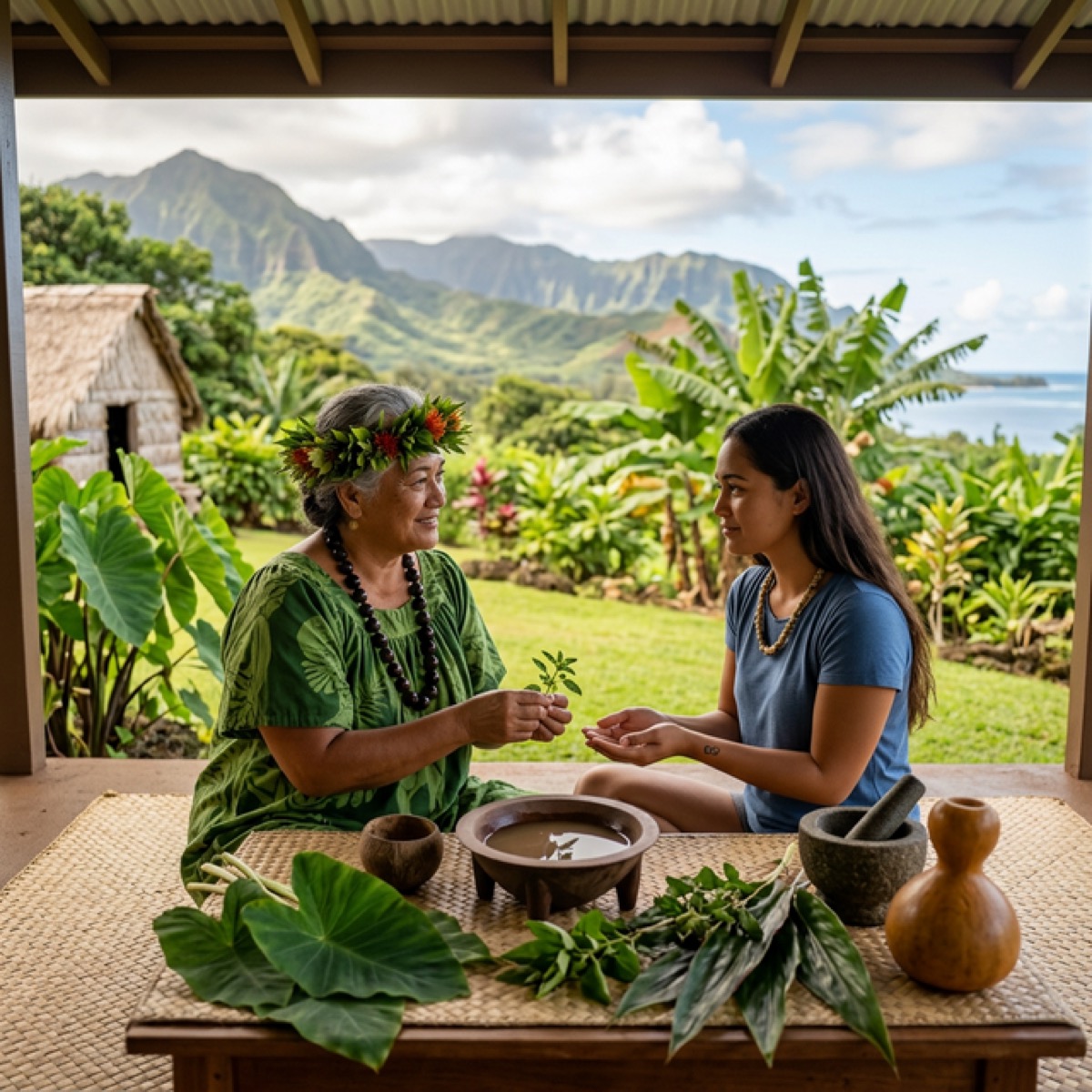
Traditional Hawaiian healing (lomilomi, kahuna practices, herbal medicine, spiritual cleansing) represents valuable healing resource. Integration of traditional practices with clinical treatment creates comprehensive care honoring Hawaiian spirituality and knowledge systems. These practices provide connection to ancestors, land, and spiritual meaning.
Effective providers respect and support integration of traditional healing. Collaboration between Hawaiian healers and clinicians creates optimal comprehensive care.
Seek treatment providers supporting integration of traditional Hawaiian healing with clinical care.
Traditional Healing Integration
Traditional practices provide spiritual meaning supporting recovery.
- Lomilomi and traditional massage
- Kahuna guidance and wisdom
- Hawaiian herbal medicine
- Spiritual cleansing and purification
- Connection to 'aina (land) and ancestors
Culturally-Responsive Treatment Approaches
Culturally-responsive treatment providers demonstrate cultural humility, understanding Hawaiian worldview, and respect for Hawaiian healing traditions. Providers should have Hawaiian staff or leadership when possible. Treatment acknowledging historical injustice, addressing ongoing marginalization, and supporting cultural identity provides most effective care.
Treatment should address both addiction and the underlying historical trauma and marginalization creating vulnerability. Healing involves reconnection with culture, community, and purpose alongside substance use recovery.
Seek treatment providers with cultural competency training and Hawaiian staff or leadership.
Cultural Competency Elements
Effective treatment demonstrates cultural humility and respect.
- Understanding Hawaiian worldview and values
- Respect for traditional healing practices
- Hawaiian language and cultural competency staff
- Acknowledgment of historical injustice
- Support for cultural pride and identity
Accessing Culturally-Informed Treatment
Hawaii has some culturally-informed treatment programs. Additionally, mainland treatment centers with Native American program expertise often can provide culturally-responsive care. Trust SoCal works with Native Hawaiian individuals providing trauma-informed culturally-respectful care.
Key is finding providers understanding and respecting Hawaiian culture, willing to integrate traditional healing, and committed to addressing historical and systemic factors affecting Native Hawaiian communities.
Call (949) 280-8360 to discuss culturally-informed treatment honoring Native Hawaiian identity and values.
Treatment Access
Multiple pathways to culturally-informed care.
- Hawaii-based culturally-informed programs
- Mainland centers with Native program expertise
- Telehealth culturally-competent providers
- Traditional healer collaboration
- Community-based support and healing

Trust SoCal Editorial Team, Clinical Review Board
Editorial & Clinical Review