
Key Takeaways
- A landmark 2011 Washington University study found that retired NFL players misused opioid painkillers at a rate more than four times higher than the general population, with 52% reporting opioid use during their playing careers.
- The NFL distributed toradol injections and prescription opioids as a routine part of game-day preparation for decades, normalizing a pharmaceutical approach to pain that many players carried into retirement.
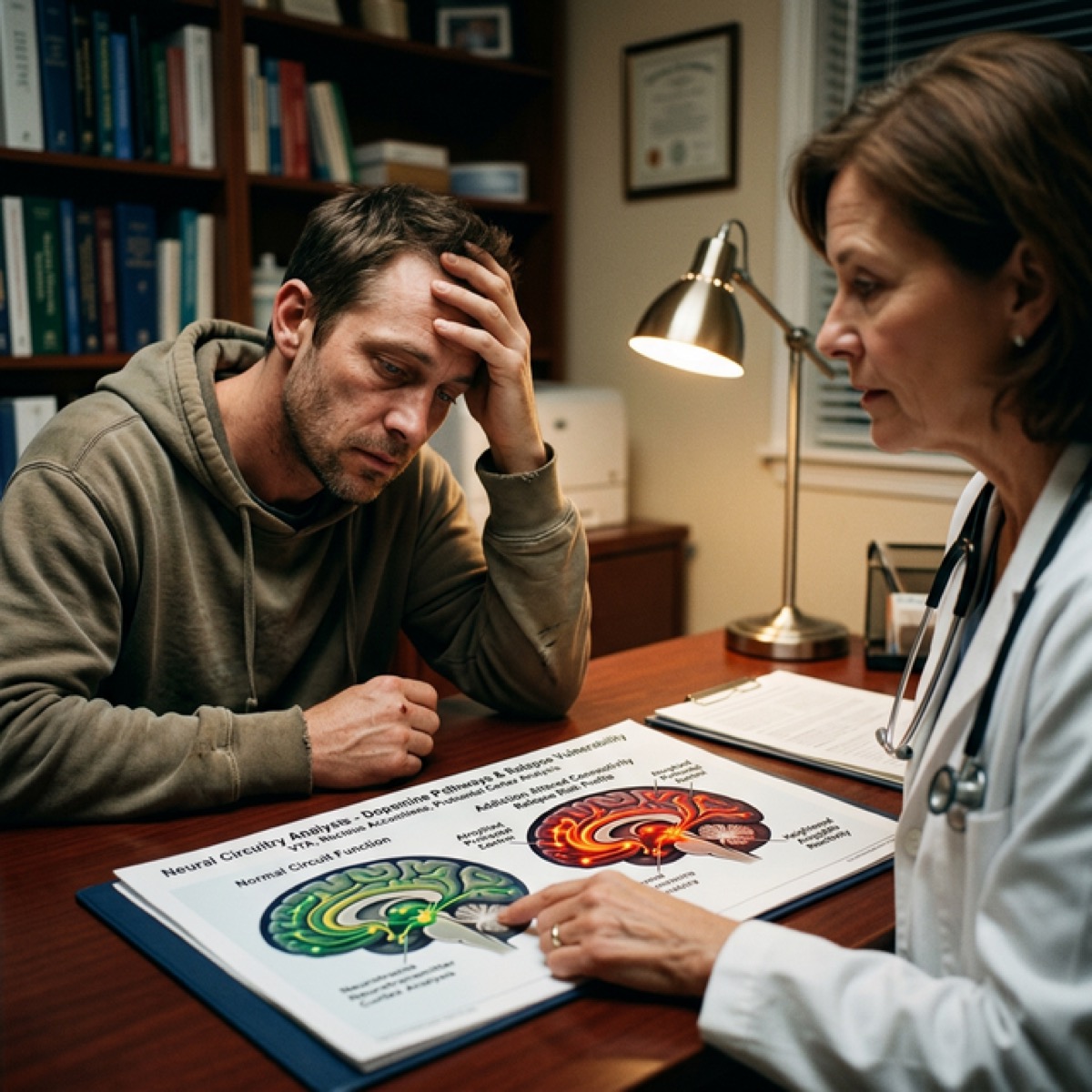
- Chronic traumatic encephalopathy (CTE) compounds opioid addiction risk by impairing the brain's prefrontal cortex, the region responsible for impulse control and decision-making, creating a neurological vulnerability to substance use disorders.
- Evidence-based alternatives to opioid pain management, including nerve blocks, physical therapy, cognitive behavioral therapy for chronic pain, and non-opioid medications, offer safer pathways for managing sports-related injuries.
- Former NFL players seeking recovery from opioid addiction benefit from treatment programs that address both the physical pain underlying their substance use and the psychological identity loss that accompanies retirement from professional sports.
The Systemic Roots of Opioid Abuse in Professional Football
Professional football operates under an unwritten code: play through pain or lose your roster spot. This culture of toughness, reinforced by multi-million-dollar contracts, short career windows averaging just 3.3 years, and intense competition for every position, has created an environment where prescription painkillers became as routine as pregame stretching. For decades, NFL locker rooms functioned as de facto pharmacies, with team physicians and trainers distributing opioids, anti-inflammatories, and injectable painkillers with minimal oversight or long-term consideration for players' health.
A pivotal 2011 study conducted by researchers at Washington University in St. Louis revealed the scope of this crisis. The study found that 52% of retired NFL players reported using opioids during their playing careers, and 71% of those reported misusing the drugs. Retired players were found to misuse prescription painkillers at a rate more than four times higher than the general population. These numbers represent hundreds of men whose introduction to opioid dependence began not in a back alley but in a professional medical facility operated by one of America's most profitable sports leagues.
The lawsuit filed in 2015 by more than 1,800 former NFL players against the league further exposed these practices. Players testified that team doctors dispensed controlled substances without proper prescriptions, failed to warn about addiction risks, and in some cases transported drugs across state lines in violation of federal law. The litigation revealed a systemic pattern in which the league prioritized on-field performance over player welfare, treating human beings as expendable assets whose long-term health was secondary to their ability to suit up on Sundays.
How Prescription Painkillers Rewire the Brain for Addiction
Opioid addiction is a neurobiological disease, not a character flaw, and understanding the brain science behind it is essential for destigmatizing the struggles of athletes and non-athletes alike. When opioid painkillers such as oxycodone, hydrocodone, or fentanyl enter the brain, they bind to mu-opioid receptors in the reward system, triggering a surge of dopamine that creates intense feelings of euphoria and pain relief. With repeated exposure, the brain adapts by reducing its natural production of endorphins and downregulating opioid receptors, a process called neuroadaptation that leaves the individual unable to feel normal without the drug.
For NFL players, this neuroadaptation process often begins under medical supervision, making it particularly insidious. A player who receives a legitimate prescription for a torn ACL or broken bone may develop physical dependence within as few as five days of continuous opioid use, according to research published in the Annals of Internal Medicine. When the prescription runs out or the player retires and loses access to team medical staff, the withdrawal symptoms of nausea, muscle pain, insomnia, and overwhelming anxiety can drive individuals to seek opioids through other channels, including the illicit drug market where fentanyl contamination makes every dose potentially lethal.
The progression from prescription opioids to heroin or illicit fentanyl follows a well-documented pathway that addiction medicine specialists refer to as the opioid escalation continuum. Data from the National Institute on Drug Abuse (NIDA) shows that approximately 80% of people who use heroin first misused prescription opioids. For retired athletes living with chronic pain from years of physical punishment, this escalation can happen rapidly, particularly when combined with the depression, identity loss, and social isolation that frequently accompany the end of a professional sports career.
If you or someone you know is struggling with opioid dependence, help is available now. Contact Trust SoCal at (949) 280-8360 or reach SAMHSA's National Helpline at 1-800-662-4357 for free, confidential support 24 hours a day.
Pain Management Without Opioids: Evidence-Based Alternatives
The medical community has made significant strides in developing non-opioid pain management strategies that can effectively treat the musculoskeletal injuries common in professional football without the catastrophic addiction risks associated with opioid prescriptions. These alternatives represent a paradigm shift in how sports medicine approaches chronic pain, moving from a model of pharmacological suppression to one of functional restoration and neuroplastic rehabilitation.
Cognitive behavioral therapy for chronic pain (CBT-CP) has emerged as one of the most effective non-pharmacological approaches, helping individuals reframe their relationship with pain and develop coping strategies that reduce both the perceived intensity of pain and the emotional distress it causes. Multimodal physical therapy programs combining manual therapy, therapeutic exercise, and neuromuscular re-education address the structural sources of pain while building resilience against future injury. Peripheral nerve blocks using non-opioid local anesthetics provide targeted pain relief for specific injury sites without systemic effects on the brain's reward pathways.
At Trust SoCal in Orange County, California, we understand that many individuals who develop opioid addictions originally sought legitimate relief from genuine physical pain. Our treatment approach addresses both the substance use disorder and the underlying pain condition, incorporating pain management consultation, physical rehabilitation referrals, and training in non-pharmacological pain coping strategies. Recovery does not mean resigning oneself to a life of unmanaged pain; it means finding sustainable, evidence-based approaches that provide relief without the devastating consequences of opioid dependence.
- Cognitive Behavioral Therapy for Chronic Pain (CBT-CP): Restructures maladaptive thought patterns about pain and teaches active coping techniques
- Peripheral Nerve Blocks: Targeted local anesthetic injections that provide pain relief without opioid receptor activation
- Platelet-Rich Plasma (PRP) Therapy: Uses concentrated growth factors from the patient's own blood to accelerate tissue healing
- Transcutaneous Electrical Nerve Stimulation (TENS): Non-invasive electrical stimulation that disrupts pain signaling pathways
- Mindfulness-Based Stress Reduction (MBSR): Evidence-based meditation practices that reduce both pain perception and emotional reactivity
- Non-Opioid Medications: NSAIDs, acetaminophen, gabapentinoids, and SNRIs offer pain relief through mechanisms that do not activate the opioid reward system
Recovery Pathways for Athletes Struggling With Opioid Addiction
Recovery from opioid addiction requires a comprehensive, evidence-based approach that addresses the neurobiological, psychological, and social dimensions of the disease. Medication-assisted treatment (MAT) using FDA-approved medications such as buprenorphine, naltrexone, or methadone remains the gold standard for opioid use disorder treatment, with research consistently showing that MAT reduces opioid use, decreases overdose deaths, and improves treatment retention compared to abstinence-only approaches. For athletes whose opioid dependence originated from legitimate pain management, MAT provides critical neurological stabilization while they engage in the therapeutic work of recovery.
The psychological dimension of recovery for athletes is particularly complex. Professional athletes often construct their entire identity around their sport, and retirement can trigger a profound existential crisis that manifests as depression, anxiety, and purposelessness. When combined with chronic pain and opioid dependence, this identity disruption creates a perfect storm of vulnerability. Effective treatment must help former athletes develop a new sense of self that is not contingent on athletic performance, a process that often involves grief work, values clarification, and the gradual construction of meaning and purpose in post-athletic life.
Trust SoCal offers individualized treatment plans that integrate medically supervised detoxification, medication-assisted treatment, trauma-informed psychotherapy, and holistic wellness programming. Our residential treatment and partial hospitalization programs provide the structured environment that individuals with severe opioid dependence need during the critical early stages of recovery, while our intensive outpatient and aftercare programs support the transition back to independent living. If you or a loved one is struggling with opioid addiction that began with a sports injury or medical prescription, call (949) 280-8360 to speak with our admissions team about treatment options.
Trust SoCal's medication-assisted treatment program combines FDA-approved medications with individual and group therapy to provide comprehensive opioid addiction care. Contact us to learn about our evidence-based approach to recovery.

Trust SoCal Editorial Team, Clinical Review Board
Editorial & Clinical Review