Key Takeaways
- Outpatient treatment is appropriate for individuals with mild to moderate substance use disorders or as step-down care after residential treatment.
- Intensive outpatient programs typically require 9 to 15 hours per week and offer structured therapy without overnight stays.
- Partial hospitalization programs provide the highest outpatient intensity with 5 to 6 hours of daily programming.
- Upland's location along the Foothill Boulevard corridor provides access to multiple outpatient providers.
- Combining outpatient treatment with recovery support meetings and sober living produces the best long-term outcomes.
Understanding Outpatient Levels of Care
Outpatient addiction treatment encompasses several levels of intensity designed to match different clinical needs and life circumstances. The American Society of Addiction Medicine defines these levels to ensure that individuals receive the appropriate amount of clinical support without unnecessary disruption to their daily functioning.
Standard outpatient treatment, the least intensive level, involves one to two therapy sessions per week totaling fewer than nine hours. This level is appropriate for individuals with mild substance use disorders, those in sustained recovery needing maintenance support, or as the final step-down in a continuum of care.
Understanding which level of outpatient care matches your situation requires a professional assessment that evaluates the severity of substance use, co-occurring mental health conditions, social support systems, and prior treatment history. Upland residents can access assessments through local providers or by contacting facilities like Trust SoCal for guidance.
Intensive Outpatient Programs in the Upland Area
Intensive outpatient programs represent the most common form of structured outpatient addiction treatment in the Upland area. These programs require nine to fifteen hours of weekly participation, typically spread across three to five sessions held during evenings or mornings to accommodate work and school schedules.
IOP programming in the Inland Empire generally includes process groups where clients discuss challenges and progress, psychoeducational groups covering addiction science and relapse prevention, cognitive behavioral therapy or dialectical behavior therapy skills groups, and individual therapy sessions. Family involvement is incorporated through dedicated family sessions or multi-family groups.
The duration of IOP participation varies by individual need but typically ranges from eight to twelve weeks. Clients who demonstrate consistent progress, stable sobriety, and strong support systems gradually step down to standard outpatient frequency before completing formal treatment.
- Process groups: Facilitated discussions of recovery challenges and coping strategies
- Psychoeducation: Structured learning about addiction, triggers, and relapse prevention
- CBT/DBT skills groups: Practical techniques for managing thoughts, emotions, and behaviors
- Individual therapy: One-on-one sessions addressing personal issues and treatment goals
- Drug testing: Regular screening to support accountability and early intervention
Partial Hospitalization Programs
Partial hospitalization programs provide the most intensive level of outpatient care, with five to six hours of structured programming five days per week. PHPs bridge the gap between residential treatment and standard IOP, offering near-inpatient clinical intensity while allowing clients to return home each evening.
PHPs are particularly valuable for individuals stepping down from residential treatment who still need significant clinical structure, those with co-occurring mental health conditions requiring intensive monitoring, or individuals whose substance use disorder is too severe for IOP but whose living situation is stable enough to avoid residential placement.
While PHP availability directly in Upland is limited, several programs operate in the broader Foothill corridor and western Inland Empire. Trust SoCal in Fountain Valley also offers PHP-level programming that San Bernardino County residents can access, providing clinical excellence within a reasonable commuting distance.
Choosing an Outpatient Provider in Upland
When evaluating outpatient treatment providers in the Upland area, consider the qualifications of clinical staff, the specific therapeutic modalities offered, scheduling flexibility, and the program's approach to aftercare planning. Licensed clinicians, including LMFTs, LCSWs, and LPCCs, should lead all therapeutic services.
Ask about the program's approach to medication management. Quality outpatient programs either provide psychiatric services in-house or maintain close relationships with prescribing providers who can manage medications for co-occurring depression, anxiety, PTSD, or other mental health conditions alongside addiction treatment.
Verify that the provider accepts your insurance plan before enrolling. Most outpatient programs in the Upland area accept Medi-Cal and major commercial insurance plans. Trust SoCal can verify insurance coverage for San Bernardino County residents considering outpatient services. Call (949) 280-8360.
Look for outpatient programs that offer both group and individual therapy. Programs that rely solely on group sessions without individual therapeutic attention may not adequately address personalized treatment needs.
Integrating Outpatient Treatment with Daily Life
One of the primary advantages of outpatient treatment is the ability to maintain employment, family responsibilities, and community connections while receiving professional support. However, this flexibility also means that individuals must actively manage their recovery within environments that may include triggers and stressors.
Successful outpatient treatment requires a stable, supportive living environment. For individuals who lack this, combining outpatient programming with sober living in the Upland area provides structure and accountability during non-treatment hours. This combination replicates many benefits of residential treatment at a lower cost.
Recovery support meetings such as AA, NA, and SMART Recovery complement outpatient treatment by providing daily peer support and accountability. Upland has an active meeting community, and attending local meetings helps build the social connections that sustain long-term sobriety.
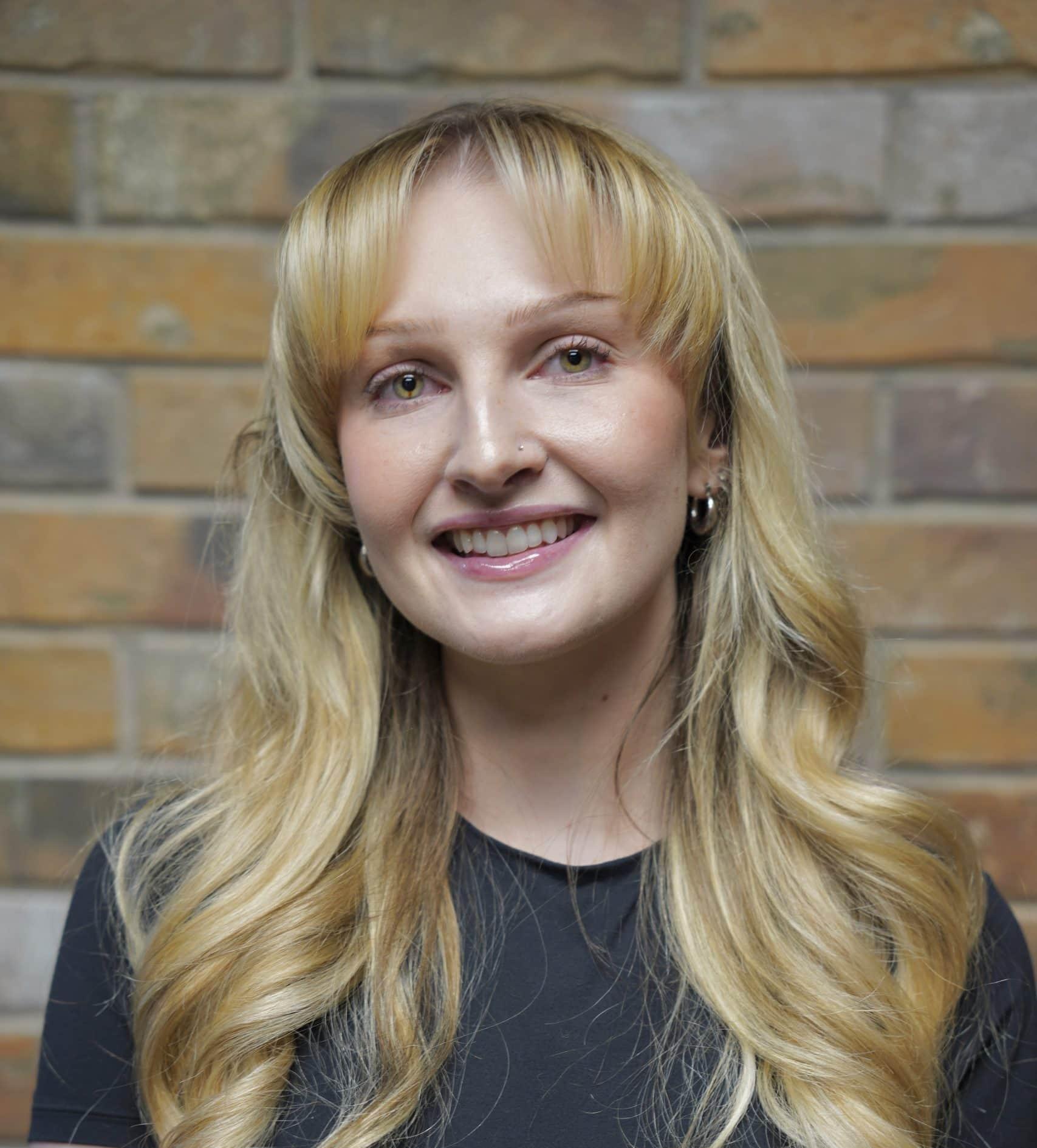
Amy Pride, MFTT
Marriage & Family Therapy Trainee