Key Takeaways
- Nearly 18 million Americans misuse prescription medications each year, making it one of the most widespread forms of substance abuse.
- The three most commonly abused prescription drug categories are opioid painkillers, benzodiazepines, and stimulants.
- Prescription drug abuse often begins with a legitimate prescription and progresses through tolerance and dose escalation.
- Combining prescription drugs with alcohol or other substances dramatically increases the risk of fatal overdose.
- Medical detox and evidence-based therapy are essential for safely treating prescription drug dependence.
The Scope of Prescription Drug Abuse in America
Prescription drug abuse represents one of the most insidious forms of substance use disorder because it often begins with a legitimate medical need. According to the Substance Abuse and Mental Health Services Administration, approximately 17.7 million Americans aged 12 and older misused prescription medications in 2022. Unlike illicit drug use, prescription drug abuse carries an illusion of safety because the substances were originally designed, tested, and approved for medical purposes.
In Southern California, the problem is particularly acute. High-stress professional environments, widespread availability through doctor shopping and online pharmacies, and a culture that normalizes pharmaceutical solutions for everyday discomfort have created fertile ground for prescription drug dependence. Orange County treatment facilities have seen a steady increase in admissions related to prescription drug misuse over the past decade.
At Trust SoCal, we understand that prescription drug abuse often catches individuals and families off guard. The person struggling may be a parent who was prescribed painkillers after surgery, a college student using stimulants to study, or an executive taking benzodiazepines for anxiety. The common thread is that the medication gradually shifted from therapeutic tool to compulsive necessity.
Prescription drug abuse is defined as taking medication in a way not intended by the prescribing doctor, including taking higher doses, using someone else's prescription, or taking medication for the feeling it produces rather than the condition it treats.
The Three Categories of Commonly Abused Prescription Drugs
Understanding the specific classes of prescription medications most prone to abuse helps individuals and families identify risk factors early. Each category produces distinct effects, carries unique health risks, and requires tailored treatment approaches.
Opioid Painkillers
Opioid analgesics including oxycodone (OxyContin), hydrocodone (Vicodin), codeine, and morphine are the most commonly abused prescription drugs in the United States. These medications bind to opioid receptors in the brain, producing pain relief alongside euphoria and relaxation. Physical dependence can develop within as few as five days of regular use, even when taken as prescribed.
The opioid prescribing crisis of the late 1990s and 2000s created a generation of Americans who became dependent on pain medications prescribed by their doctors. While prescribing practices have tightened significantly, millions remain dependent, and many have transitioned to illicit opioids including heroin and fentanyl when prescriptions become unavailable or unaffordable.
Benzodiazepines
Benzodiazepines such as alprazolam (Xanax), diazepam (Valium), lorazepam (Ativan), and clonazepam (Klonopin) are prescribed for anxiety, panic disorders, and insomnia. These central nervous system depressants enhance the effect of the neurotransmitter GABA, producing sedation and muscle relaxation. Tolerance develops rapidly, often leading to dose escalation that crosses into abuse territory.
Benzodiazepine dependence is particularly dangerous because withdrawal can produce life-threatening seizures. The combination of benzodiazepines with opioids, which has become increasingly common, is one of the deadliest drug interactions in medicine. The CDC reports that benzodiazepines are involved in approximately 14 percent of all opioid overdose deaths.
Prescription Stimulants
Stimulant medications including amphetamine (Adderall), methylphenidate (Ritalin, Concerta), and lisdexamfetamine (Vyvanse) are prescribed primarily for attention-deficit hyperactivity disorder and narcolepsy. These drugs increase dopamine and norepinephrine activity in the brain, enhancing focus, energy, and alertness. However, their cognitive-enhancing effects have made them popular among students and professionals seeking a competitive edge.
Prescription stimulant abuse is especially prevalent on college campuses and in high-performance work environments throughout Orange County and Southern California. The National Institute on Drug Abuse reports that stimulant misuse can lead to cardiovascular complications, psychosis, seizures, and severe psychological dependence that requires professional treatment to overcome.
How Prescription Drug Abuse Develops
The trajectory from legitimate use to prescription drug abuse typically follows a predictable pattern that unfolds over weeks, months, or even years. Understanding this progression can help individuals and families recognize when medication use has crossed a dangerous threshold before a full-blown addiction crisis develops.
The cycle often begins when a patient notices that their prescribed dose no longer provides the same level of relief. Rather than consulting their doctor, they take an extra pill or increase the frequency of doses. This self-directed dose escalation accelerates tolerance development and deepens physical dependence, creating a feedback loop that is increasingly difficult to interrupt without professional help.
As dependence grows, the individual may begin obtaining medications from multiple doctors, purchasing from friends or family members, or ordering from unregulated online pharmacies. These behaviors mark a clear transition from medical use to substance abuse and carry additional risks including exposure to counterfeit medications that may contain fentanyl or other lethal contaminants.
Warning Signs of Prescription Drug Abuse
Identifying prescription drug abuse requires attention to both behavioral patterns and physical symptoms. Because the individual may hold a legitimate prescription, distinguishing between appropriate medical use and misuse can be challenging. However, certain indicators consistently signal that medication use has become problematic.
- Taking higher doses than prescribed or using medication more frequently than directed
- Visiting multiple doctors to obtain additional prescriptions (doctor shopping)
- Running out of prescriptions early and experiencing distress about the gap until the next refill
- Continuing to use medication after the medical condition it was prescribed for has resolved
- Crushing, snorting, or injecting medications that are designed for oral use
- Hiding medication use from family members, friends, or healthcare providers
- Experiencing withdrawal symptoms such as anxiety, tremors, nausea, or insomnia when unable to take the medication
- Significant changes in mood, energy, sleep patterns, or social behavior coinciding with medication use
Health Risks and Complications
Chronic prescription drug abuse produces serious and potentially irreversible health consequences that vary by drug category. Opioid abuse damages the respiratory system, disrupts hormonal balance, and suppresses immune function. Long-term benzodiazepine misuse impairs cognitive function, memory, and emotional regulation. Stimulant abuse strains the cardiovascular system and can trigger psychotic episodes.
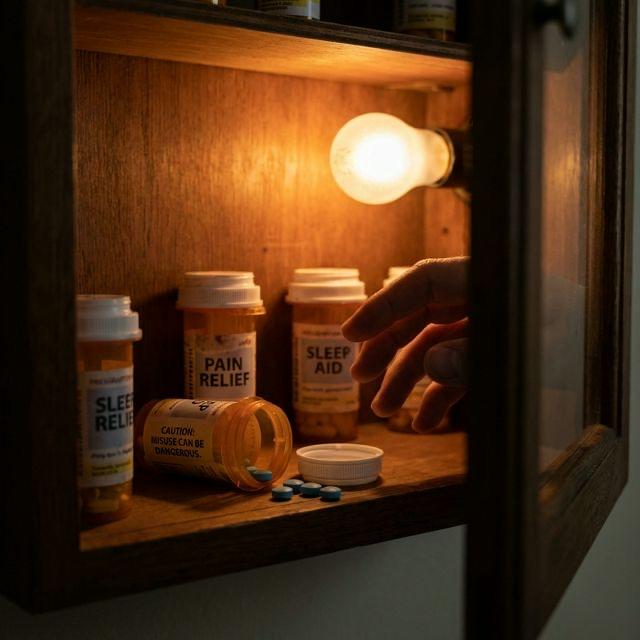
Perhaps the most dangerous complication is polysubstance use, where prescription drugs are combined with alcohol or other substances. This practice dramatically increases the risk of fatal overdose because different central nervous system depressants compound each other's effects on respiratory function. Emergency departments across Southern California frequently treat patients who have combined prescription medications in ways that produce synergistic toxicity.
Additionally, individuals who abuse prescription drugs face elevated rates of co-occurring mental health disorders. Depression, anxiety, post-traumatic stress disorder, and personality disorders frequently co-exist with prescription drug dependence, requiring integrated treatment approaches that address both conditions simultaneously.
Combining opioid painkillers with benzodiazepines or alcohol is one of the most common causes of accidental overdose death. Never mix prescription medications without explicit guidance from a physician.
Treatment for Prescription Drug Abuse at Trust SoCal
Effective treatment for prescription drug abuse requires a structured, medically supervised approach that addresses the specific pharmacology of the drugs involved. At Trust SoCal in Fountain Valley, our clinical team develops individualized treatment plans that account for the type of medication, duration of use, dosage levels, and any co-occurring mental health conditions.
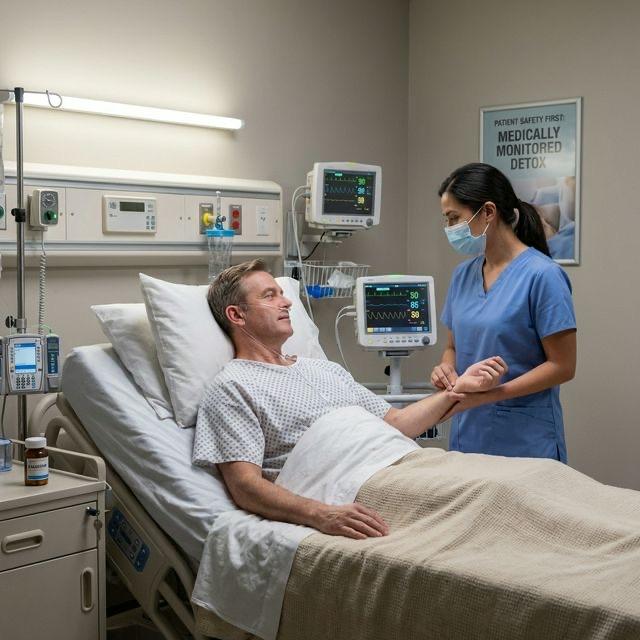
Medical detox provides safe, monitored withdrawal management using evidence-based tapering protocols and supportive medications. For opioid dependence, medication-assisted treatment with buprenorphine or naltrexone may be recommended. Benzodiazepine withdrawal requires a carefully managed taper that may extend over several weeks to prevent seizures and other dangerous complications.
Following stabilization, our residential and outpatient programs provide intensive therapeutic support including individual counseling, group therapy, cognitive behavioral therapy, and relapse prevention training. We also work closely with prescribing physicians to develop non-addictive pain management or mental health treatment alternatives for clients whose prescription drug abuse began with a legitimate medical need.
Prevention and Safe Medication Practices
Preventing prescription drug abuse begins with education and proactive communication between patients and healthcare providers. Always take medications exactly as prescribed, report any changes in effectiveness to your doctor rather than adjusting doses independently, and ask about non-addictive alternatives when possible. Store medications securely and dispose of unused prescriptions through DEA-approved take-back programs available throughout Orange County.
Families should maintain open conversations about the risks of sharing or misusing prescription medications, particularly with teenagers and young adults who may view these substances as safer than street drugs. Understanding that prescription medications can be just as addictive and deadly as illicit drugs is essential for preventing the next generation from falling victim to this hidden epidemic.
If you or someone you love is struggling with prescription drug dependence, Trust SoCal offers free, confidential assessments to help determine the most appropriate level of care. Our admissions team understands the sensitivity surrounding prescription drug abuse and approaches every call with compassion and discretion.
The DEA sponsors National Prescription Drug Take Back events twice a year. Orange County also offers permanent drug disposal locations at many local pharmacies and law enforcement offices.
Courtney Rolle, CMHC
Clinical Mental Health Counselor