Key Takeaways
- Stigma remains one of the greatest barriers to seeking addiction treatment in Los Angeles County.
- Public recovery stories challenge stereotypes and demonstrate that addiction affects people of every background.
- Visible recovery in media, community events, and personal conversations normalizes help-seeking behavior.
- Los Angeles, as a cultural hub, has outsized influence in shaping national perceptions of addiction and recovery.
How Public Recovery Stories Help Destigmatize Treatment
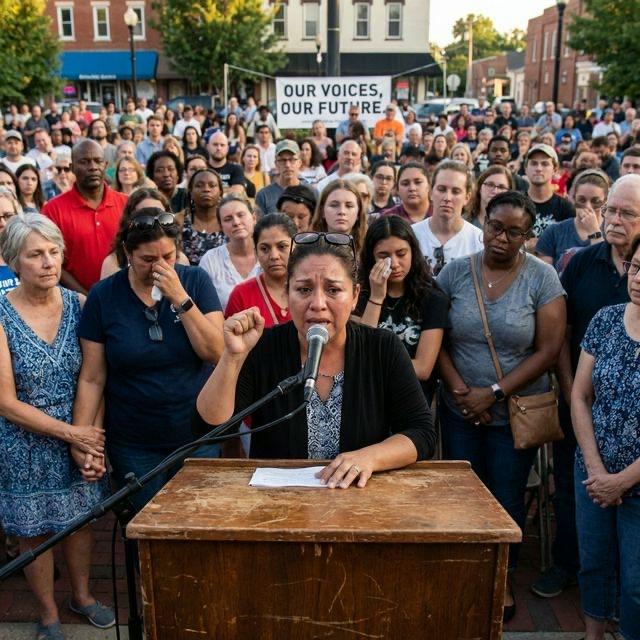
Public recovery stories serve as one of the most effective tools for destigmatizing addiction treatment in Los Angeles County and across the nation. When individuals share their experiences with substance use disorders and recovery openly, they challenge the pervasive misconception that addiction is a moral failing rather than a treatable medical condition.
Los Angeles, with its concentration of media, entertainment, and cultural influence, occupies a unique position in shaping public attitudes toward addiction. High-profile disclosures by celebrities, athletes, and public figures have brought addiction into mainstream conversation, but grassroots stories from everyday Angelenos carry equal weight in their local communities.
The decision to share a recovery story is deeply personal and should never be forced. However, those who choose to speak openly about their journeys report a sense of purpose and connection that strengthens their own sobriety while lighting the way for others.
The Weight of Stigma in Los Angeles
Stigma prevents countless LA County residents from seeking the addiction treatment they need. Research published in the Journal of Substance Abuse Treatment consistently shows that perceived stigma is one of the top reasons individuals delay or avoid entering treatment programs. In a city where image and reputation carry particular currency, this barrier is even more pronounced.
The entertainment industry, while increasingly open about mental health, still harbors environments where substance use is normalized and seeking help is viewed as weakness. Professionals in Hollywood, the music industry, and adjacent fields often fear that admitting to addiction will damage their careers, leading them to suffer in silence.
Communities across LA County face additional stigma barriers rooted in cultural and religious beliefs. In some neighborhoods, addiction is viewed through a lens of personal failure or spiritual weakness rather than medical understanding. These beliefs can isolate individuals and families from the support they desperately need.
According to SAMHSA, only about 10 percent of people with substance use disorders receive any form of treatment. Stigma is cited as a leading reason for this treatment gap.
The Power of Personal Narratives
Personal recovery narratives work because they create emotional connection and identification. When someone hears a story that mirrors their own experience, the shame and isolation of addiction diminish. The listener moves from feeling uniquely broken to recognizing that they are part of a much larger human experience.
Neuroscience supports the power of storytelling. Research shows that narrative processing activates empathy-related brain regions, making listeners more receptive to new perspectives. A well-told recovery story does not just inform; it transforms the listener's relationship with the concept of addiction and treatment.
Celebrity Disclosures and Their Ripple Effect
When public figures in Los Angeles share their recovery stories, the ripple effect extends far beyond Hollywood. Robert Downey Jr., Demi Lovato, and countless other LA-based celebrities have spoken publicly about their struggles with addiction. These disclosures generate news coverage, social media discussion, and, most importantly, increased calls to treatment hotlines.
Research from Johns Hopkins University found that positive media portrayals of recovery significantly reduce public stigma and increase willingness to support evidence-based treatment policies. Each public disclosure chips away at the wall of shame that keeps people from seeking help.
Grassroots Stories in Local Communities
While celebrity stories capture headlines, grassroots recovery narratives transform communities at the ground level. A parent who shares their story at a PTA meeting in Woodland Hills, a construction worker who speaks at a union hall in Boyle Heights, or a college student who writes about recovery in a campus newspaper at UCLA each reaches an audience that Hollywood cannot.
Community-based recovery organizations in LA County actively cultivate storytelling opportunities through speaker panels, podcast series, and social media campaigns. These platforms give everyday people a voice and demonstrate that recovery is happening in every zip code across the county.
Recovery Visibility in Los Angeles Culture
Los Angeles has a growing culture of visible recovery that extends into fitness, wellness, music, and social media. Sober bars and alcohol-free social spaces have opened in neighborhoods from Silver Lake to Santa Monica. Sober-curious events attract hundreds of attendees who are rethinking their relationship with alcohol and drugs.
The recovery fitness movement has found fertile ground in LA's health-conscious culture. Organizations like the Phoenix, which offers free fitness classes for individuals with 48 or more hours of sobriety, operate active chapters in the LA area. Sober running clubs, yoga communities, and outdoor adventure groups thrive across the county.
Social media influencers based in Los Angeles increasingly share sober lifestyle content, reaching millions of followers with messages that normalize life without substances. This digital visibility is especially influential among younger demographics who consume most of their information through platforms like Instagram, TikTok, and YouTube.
How Storytelling Encourages Treatment Seeking
The connection between hearing a recovery story and taking action toward treatment is well documented. SAMHSA's "Talk. They Hear You." campaign and similar public health initiatives leverage personal narratives to encourage early intervention and reduce the time between recognizing a problem and entering treatment.
In LA County, where the treatment infrastructure is vast but underutilized, storytelling bridges the gap between available services and the people who need them. A person who hears a recovery story that resonates may finally make the call they have been putting off for months or years.
Treatment centers like Trust SoCal in Fountain Valley see this dynamic regularly. Many individuals who call our admissions line at (949) 280-8360 report that hearing someone else's story, whether through a meeting, a podcast, or a conversation with a friend, was the catalyst that prompted them to reach out.
I told my story at a meeting in East Hollywood, and a stranger came up to me afterward with tears in his eyes. He said he had been thinking about treatment for two years and hearing my story was the push he needed. That moment reminded me why I share.
— Anonymous recovery community member, Los Angeles
Guidelines for Sharing Recovery Stories Responsibly
Sharing a recovery story is powerful, but it should be done thoughtfully. Organizations like Faces and Voices of Recovery have developed guidelines for responsible storytelling that protects the storyteller and maximizes positive impact on the audience.
Key principles include telling your own story without disclosing details about others who have not consented, avoiding graphic descriptions of drug use that could trigger vulnerable listeners, focusing on recovery rather than glorifying the addiction experience, and maintaining awareness that relapse is always a possibility.
- Share only your own experience, respecting the anonymity of others
- Focus on recovery, growth, and hope rather than sensationalizing drug use
- Be honest about challenges without romanticizing suffering
- Consider your audience and adjust content accordingly
- Remember that sharing is voluntary and can be done at your own pace
The Role of Treatment Centers in Amplifying Recovery
Treatment centers play an important role in amplifying recovery stories by creating platforms for alumni to share their experiences. Alumni programs, community events, and digital content produced by treatment providers introduce recovery narratives to individuals who are still contemplating treatment.
Trust SoCal supports recovery storytelling through alumni events, community outreach, and educational content. We believe that every person in recovery has a story worth telling and that these stories have the power to save lives across Los Angeles County and beyond.
If you are in recovery and interested in sharing your story, or if you are still searching for your own path to recovery, Trust SoCal welcomes your call at (949) 280-8360. Our Fountain Valley center serves individuals from across the greater Los Angeles area.

Rachel Handa, Clinical Director
Clinical Director & Therapist