
Key Takeaways
- Los Angeles County offers inpatient, outpatient, and detox programs across dozens of neighborhoods.
- Choosing the right level of care depends on substance type, duration of use, and co-occurring conditions.
- Facilities just south in Orange County, like Trust SoCal in Fountain Valley, provide a quieter alternative with the same accessibility via the 405 freeway.
- Most rehab centers accept private insurance, Medi-Cal, or offer sliding-scale fees.
Understanding Drug Rehab in Los Angeles County
Drug rehab in Los Angeles County spans an enormous network of facilities stretching from the San Fernando Valley to the South Bay and from Downtown LA to the Westside. With a population exceeding ten million people, the county maintains one of the densest concentrations of addiction treatment programs in the United States. Residents searching for help have access to publicly funded clinics, private residential centers, and everything in between.
The sheer number of options can feel overwhelming for someone in crisis. Understanding the basic levels of care, from medical detox through residential and outpatient programs, is the first step toward making an informed choice. Each level addresses different clinical needs and fits different life circumstances.
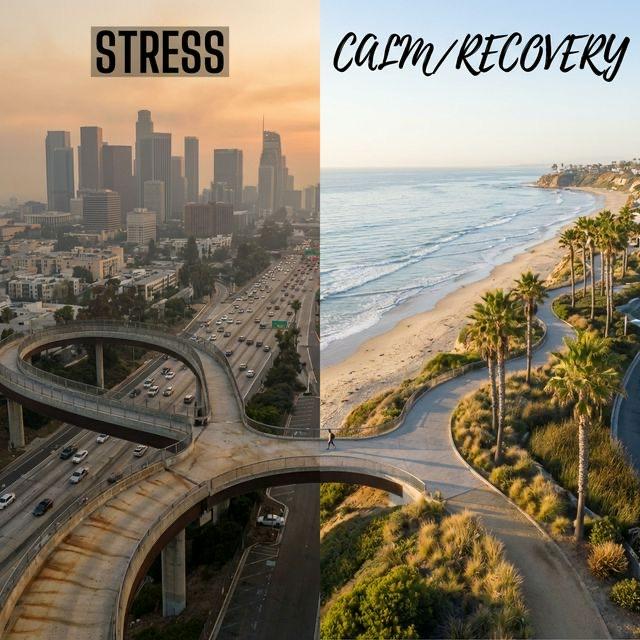
Geography also matters. Traffic on the I-10, the 405, or the 110 can turn a twenty-mile drive into a two-hour ordeal. Many families find that selecting a facility in a neighboring county, such as Orange County, reduces stress while keeping loved ones close enough for regular visits.
Trust SoCal is located at 16537 Elm Cir, Fountain Valley, CA 92708, just minutes south of LA County via the 405. Call (949) 280-8360 for a free, confidential assessment.
Levels of Care Available in LA County
Addiction treatment in Los Angeles County is organized into several distinct levels of care defined by the American Society of Addiction Medicine. Each level provides progressively more intensive services. A thorough intake assessment helps clinicians recommend the appropriate starting point for each individual.
Matching the right level of care to clinical need is critical. Placing someone in a program that is too intensive wastes resources, while placing them in one that is too low can lead to early dropout or relapse. Most reputable facilities conduct biopsychosocial assessments before finalizing a treatment plan.
Medical Detox Programs
Medical detox provides 24-hour supervised withdrawal management in a clinical setting. Patients receive medications to ease symptoms and prevent dangerous complications such as seizures or delirium tremens. Detox typically lasts three to ten days depending on the substance and severity of dependence.
Several hospitals and standalone facilities across LA County offer medical detox, including programs near LAX, in Hollywood, and in the San Gabriel Valley. After stabilization, patients transition to the next appropriate level of care rather than returning directly to their previous environment.
- Round-the-clock medical monitoring by nurses and physicians
- Medication-assisted treatment for opioid, alcohol, and benzodiazepine withdrawal
- Typical duration of three to ten days before stepping down
- Available at hospitals, residential centers, and dedicated detox facilities
Residential and Inpatient Treatment
Residential treatment offers a structured, immersive environment where clients live on-site for 30, 60, or 90 days. Daily schedules include individual therapy, group counseling, psychoeducation, and wellness activities. The goal is to remove individuals from triggers and build a strong recovery foundation.
Inpatient programs in LA County range from luxury Malibu estates to community-based centers in East Los Angeles. Regardless of setting, evidence-based therapies such as cognitive behavioral therapy, dialectical behavior therapy, and motivational interviewing form the clinical backbone of quality programs.
Outpatient and Intensive Outpatient Programs
Outpatient programs allow individuals to live at home or in sober living while attending treatment sessions several times per week. Intensive outpatient programs typically require nine or more hours of structured programming weekly, while standard outpatient may involve one to two sessions.
These programs suit individuals with stable housing, supportive home environments, and moderate substance use histories. Many people step down to outpatient care after completing residential treatment, creating a seamless continuum that supports long-term recovery.
Navigating LA County by Region
Los Angeles County covers over 4,750 square miles and includes 88 incorporated cities. Treatment resources cluster in certain areas, and knowing where to look saves time during a stressful search. Major hubs include the Westside, Downtown, the San Fernando Valley, and the South Bay.
The Westside and Santa Monica corridor houses several well-known private treatment centers, many catering to professionals and executives. Downtown LA and the surrounding neighborhoods host a higher concentration of publicly funded programs. The San Fernando Valley offers both private and community-based options, while the South Bay provides a slightly quieter atmosphere with easy freeway access.
For residents in southern LA County, cities like Long Beach, Torrance, and Carson are only a short drive from Orange County treatment options. Taking the 405 south to Fountain Valley, for example, opens up additional programs in a calmer, less congested setting.
How to Evaluate a Drug Rehab Program
Not all rehab programs are created equal. Accreditation from organizations such as the Joint Commission or CARF International indicates that a facility meets rigorous quality standards. Licensing by the California Department of Health Care Services is a baseline requirement for any legitimate program.
Beyond credentials, look for individualized treatment planning, evidence-based therapies, qualified clinical staff, and a robust aftercare program. A facility that rushes through intake without a comprehensive assessment or offers vague descriptions of its therapeutic approach should raise concerns.
- Verify state licensing and national accreditation
- Ask about staff-to-client ratios and clinician credentials
- Confirm that treatment plans are individualized, not one-size-fits-all
- Inquire about aftercare planning, alumni support, and relapse prevention
- Request information about family programming and visiting policies
Call multiple facilities before committing. A quality admissions team will answer your questions patiently and never pressure you into an immediate decision.
Insurance and Payment Options for LA County Residents
Most private insurance plans, including PPO and HMO policies, cover some level of addiction treatment under the Affordable Care Act. Medi-Cal, California's Medicaid program, also covers substance use disorder treatment and is available to low-income LA County residents through the Department of Public Health.
Sliding-scale fees, payment plans, and scholarship programs exist at many facilities for those who fall outside insurance and Medi-Cal eligibility. Calling a treatment center's admissions line is the fastest way to verify coverage and understand out-of-pocket costs.
Trust SoCal in Fountain Valley accepts most major insurance plans and offers free insurance verification by phone. LA County residents can call (949) 280-8360 to check benefits before scheduling an assessment.
Why Some LA Residents Seek Treatment in Orange County
A growing number of Los Angeles County residents travel south on the 405 to access treatment in Orange County. The reasons vary but often include shorter wait times, a change of environment away from familiar triggers, and the reputation of Orange County treatment centers for high-quality clinical care.
Fountain Valley, located just across the county line, is roughly 30 to 45 minutes from southern LA neighborhoods like Long Beach, Lakewood, and Cerritos without heavy traffic. The geographic proximity means families can visit easily, attend therapy sessions, and participate in discharge planning without enduring long commutes.
Trust SoCal offers a full continuum of care, including medical detox, residential treatment, and intensive outpatient programming. The center's location at 16537 Elm Cir provides a peaceful residential setting while remaining conveniently accessible from anywhere in the greater Los Angeles area.
Special Populations and Specialized Programs
Los Angeles County offers specialized drug rehab programs for specific populations, including veterans, members of the LGBTQ+ community, adolescents, women, and individuals with co-occurring mental health disorders. These specialized tracks address the unique challenges and trauma histories that different groups face.
Dual-diagnosis programs are especially important in a county where mental health conditions such as depression, anxiety, and PTSD frequently co-occur with substance use disorders. Treating both conditions simultaneously produces better outcomes than addressing them separately.
Veterans and First Responders
LA County is home to multiple VA facilities and veteran-focused treatment programs. The VA Greater Los Angeles Healthcare System provides substance use disorder treatment, while private programs near bases and veteran communities offer alternative settings for those who prefer non-VA care.
First responders, including LAPD, LAFD, and LA County Sheriff's deputies, face occupational trauma that contributes to substance misuse. Confidential treatment programs designed for first responders address the stigma and career concerns that can prevent these individuals from seeking help.
Adolescents and Young Adults
Adolescent substance use requires a developmentally appropriate approach that differs significantly from adult treatment. Programs in LA County incorporate family therapy, academic support, and peer mentoring to address the social and educational disruptions that accompany adolescent addiction.
Young adults ages 18 to 25 also benefit from age-specific programming that acknowledges the unique pressures of transitioning into adulthood. These programs often integrate life skills training, vocational support, and social skill development alongside traditional clinical therapies.
Taking the First Step Toward Recovery
Searching for drug rehab in Los Angeles County is a sign of courage, not weakness. Whether you are researching for yourself or a loved one, the fact that you are reading this guide means recovery is within reach. The hardest part is often making that first phone call.
Start by identifying the level of care that matches your situation. If you are unsure, call a treatment center and ask to speak with a clinician. They can help you determine whether detox, residential, or outpatient care is the most appropriate next step.
Trust SoCal's admissions team is available around the clock to answer questions, verify insurance, and help LA County residents begin their recovery journey. Call (949) 280-8360 or visit our Fountain Valley campus to learn more about our programs.
Recovery is not a destination but a journey. The right rehab program gives you the map and the tools to navigate it.
— Dr. Michael Navarro, Medical Director, Trust SoCal

Rachel Handa, Clinical Director
Clinical Director & Therapist