
Key Takeaways
- Recovery meetings provide accountability, fellowship, and evidence-based support that significantly improve long-term sobriety rates.
- Multiple meeting formats exist beyond AA, including NA, SMART Recovery, Refuge Recovery, LifeRing, and Celebrate Recovery.
- There is no single best meeting type; the most effective option is the one that resonates with you and that you will attend consistently.
- Attending multiple meeting formats is common and can provide a well-rounded support experience.
- Orange County offers hundreds of weekly recovery meetings across all major formats.
Why Recovery Meetings Matter
Recovery meetings are one of the most widely available, accessible, and effective forms of ongoing support for people in sobriety. Research consistently demonstrates that regular meeting attendance is associated with improved long-term outcomes, regardless of the specific meeting format. A landmark study by the Cochrane Collaboration found that participation in twelve-step programs like Alcoholics Anonymous is as effective as other evidence-based treatments in promoting abstinence.
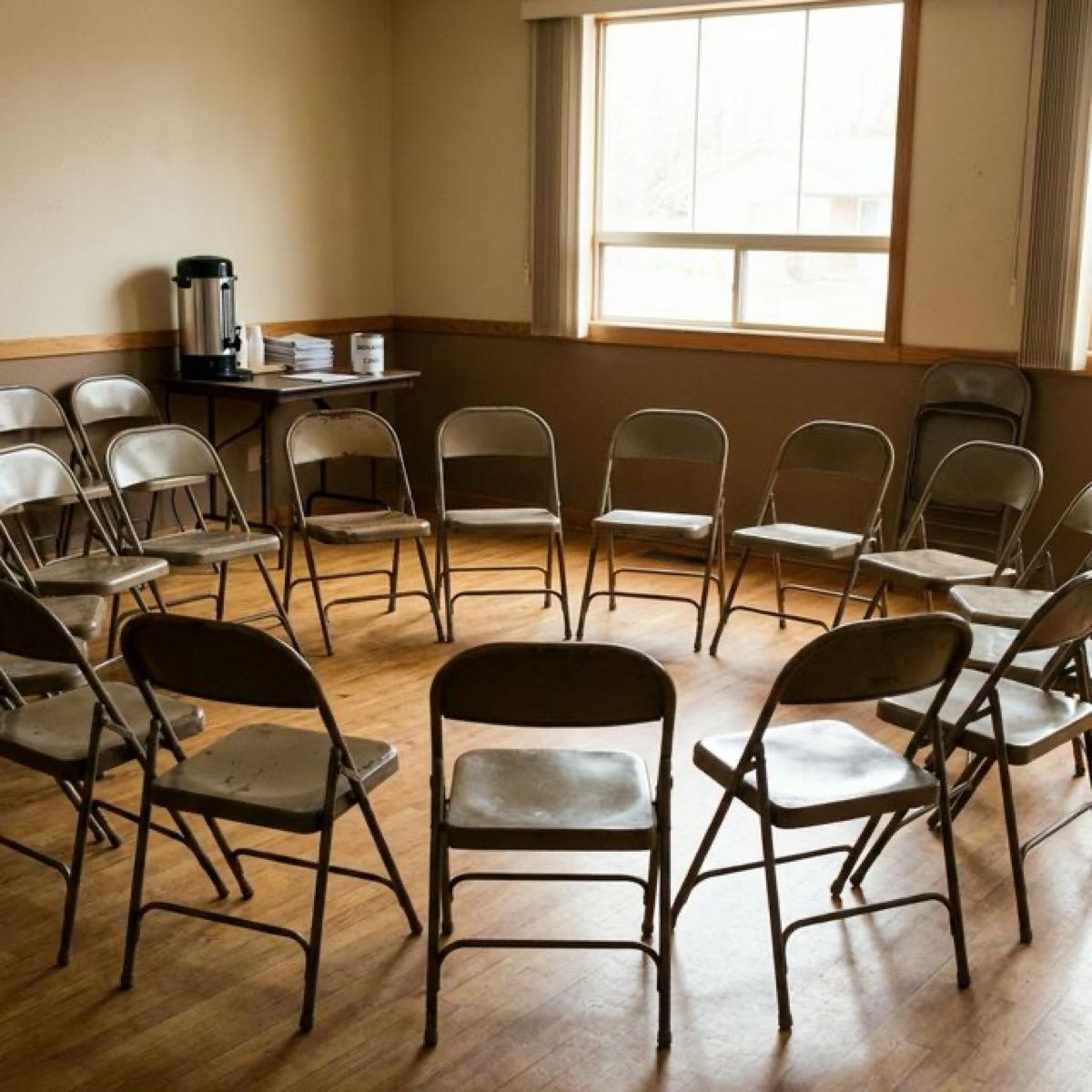
Meetings work through multiple mechanisms. They provide a structured social environment where sobriety is the norm. They offer opportunities to learn from others who have navigated similar challenges. They create accountability through regular attendance and honest sharing. And they combat the isolation that is one of the most significant risk factors for relapse.
At Trust SoCal in Orange County, we introduce clients to multiple meeting formats during treatment and encourage them to explore different options to find the best fit. Our clinical team can help you identify which meeting philosophy aligns with your personal beliefs, learning style, and recovery needs. The goal is to find meetings you will attend consistently because consistency is the key factor in meeting effectiveness.
Twelve-Step Programs: AA and NA
Twelve-step programs are the oldest and most widely available form of recovery meeting worldwide. Alcoholics Anonymous was founded in 1935, and Narcotics Anonymous followed in 1953. Both programs are based on the same twelve-step framework, which involves acknowledging powerlessness over the substance, recognizing a higher power, taking a moral inventory, making amends, and carrying the message of recovery to others.
Twelve-step meetings come in several formats. Open meetings welcome anyone, including family members and people who are curious about the program. Closed meetings are limited to people who identify as having a desire to stop using substances. Speaker meetings feature one or two people sharing their recovery stories at length. Discussion meetings center on a specific topic related to recovery, with all attendees invited to share.
Alcoholics Anonymous
AA is the largest and most widely available recovery fellowship in the world, with over 120,000 groups in 180 countries. In Orange County alone, there are hundreds of AA meetings held every week in churches, community centers, hospitals, and recovery clubs. The sheer volume of meetings means you can find one at almost any time of day, in almost any location.
AA has faced criticism for its emphasis on powerlessness and higher power concepts, which some people find incompatible with their personal beliefs. However, many modern AA groups interpret these concepts broadly. The higher power can be the group itself, nature, the universe, or any concept greater than the individual. If you are hesitant about AA because of the spiritual component, try several different meetings before deciding, as the culture varies significantly from group to group.
Narcotics Anonymous
NA follows the same twelve-step framework as AA but is specifically designed for people recovering from drug addiction rather than alcohol exclusively. NA welcomes people recovering from all types of drug use and takes the position that addiction is a disease that manifests through various substances. Many people who used both drugs and alcohol find NA more relevant to their experience.
NA meetings in Southern California are abundant and diverse. Like AA, they are free to attend, and no registration or commitment is required. Many people attend both AA and NA meetings, finding value in the different perspectives and communities each offers.
SMART Recovery: A Science-Based Alternative
SMART Recovery, which stands for Self-Management and Recovery Training, is a science-based program that uses cognitive-behavioral therapy principles and motivational interviewing techniques. Unlike twelve-step programs, SMART Recovery does not involve a higher power concept, does not use labels like alcoholic or addict, and does not require a lifelong commitment to meeting attendance. It is particularly popular among people who prefer a secular, evidence-based approach.
SMART Recovery meetings are organized around four key points: building and maintaining motivation, coping with urges, managing thoughts, feelings, and behaviors, and living a balanced life. Meetings are facilitated by trained volunteers and include interactive exercises, group discussions, and practical skill-building activities. The emphasis is on self-empowerment and developing internal resources rather than reliance on a higher power or sponsor.
While SMART Recovery has fewer in-person meetings than twelve-step programs, the organization has invested heavily in online meetings, making it accessible regardless of geographic location. In Orange County, SMART Recovery meetings are growing in availability, and many treatment centers, including Trust SoCal, incorporate SMART principles into their programming.
SMART Recovery and twelve-step programs are not mutually exclusive. Many people attend both types of meetings, finding that the evidence-based tools of SMART complement the fellowship and spiritual growth offered by twelve-step programs.
Other Recovery Meeting Options
Beyond AA, NA, and SMART Recovery, several other meeting formats serve people in recovery. Each has a unique philosophy and approach, and exploring multiple options helps you find the best fit for your personal recovery needs.
Refuge Recovery and Recovery Dharma
These Buddhist-inspired programs use mindfulness meditation, the Four Noble Truths, and the Eightfold Path as a framework for recovery. They are particularly appealing to people who resonate with contemplative traditions and who benefit from meditation as a core recovery practice. Meetings typically include a guided meditation followed by discussion.
LifeRing Secular Recovery
LifeRing is a secular, abstinence-based program that emphasizes personal empowerment and the development of a sober self. Meetings feature crosstalk, where participants engage in direct conversation rather than the serial sharing format common in twelve-step meetings. The focus is on what is working in your life and how to build on those successes.
Celebrate Recovery
Celebrate Recovery is a Christ-centered program that addresses addiction alongside other life struggles. It follows a framework based on the eight Beatitudes and includes worship, testimony, and small group sharing. This program appeals to people whose faith is a central component of their recovery.
Finding the Right Meetings for You
The most important factor in choosing a recovery meeting format is personal fit. The best meeting is the one you will attend regularly. Try at least three different meetings in at least two different formats before settling on a routine. Pay attention to how you feel during and after each meeting. Do you feel welcomed? Do you identify with the people sharing? Do you leave feeling more hopeful and motivated than when you arrived?
In Orange County, the sheer number of meeting options means you can be selective. If the first AA meeting you attend does not resonate, try another. If SMART Recovery appeals to you intellectually but you miss the fellowship of twelve-step meetings, attend both. There are no rules requiring you to choose just one format, and many people in long-term recovery maintain a diverse meeting schedule.
Trust SoCal can help you navigate the local meeting landscape. Our clinical team is familiar with meetings throughout Orange County and can recommend specific groups based on your preferences, location, and schedule. Call us at (949) 280-8360 for personalized meeting recommendations or visit the individual program websites to search for meetings near you.
- Try at least six different meetings before deciding which format works best for you
- Attend a variety of meeting types: speaker, discussion, step study, and topic meetings
- Give each meeting at least three visits before judging whether it is a good fit
- Talk to other attendees after meetings to build connections and get a sense of the group culture
- Consider online meetings as a supplement to in-person attendance, especially during scheduling conflicts
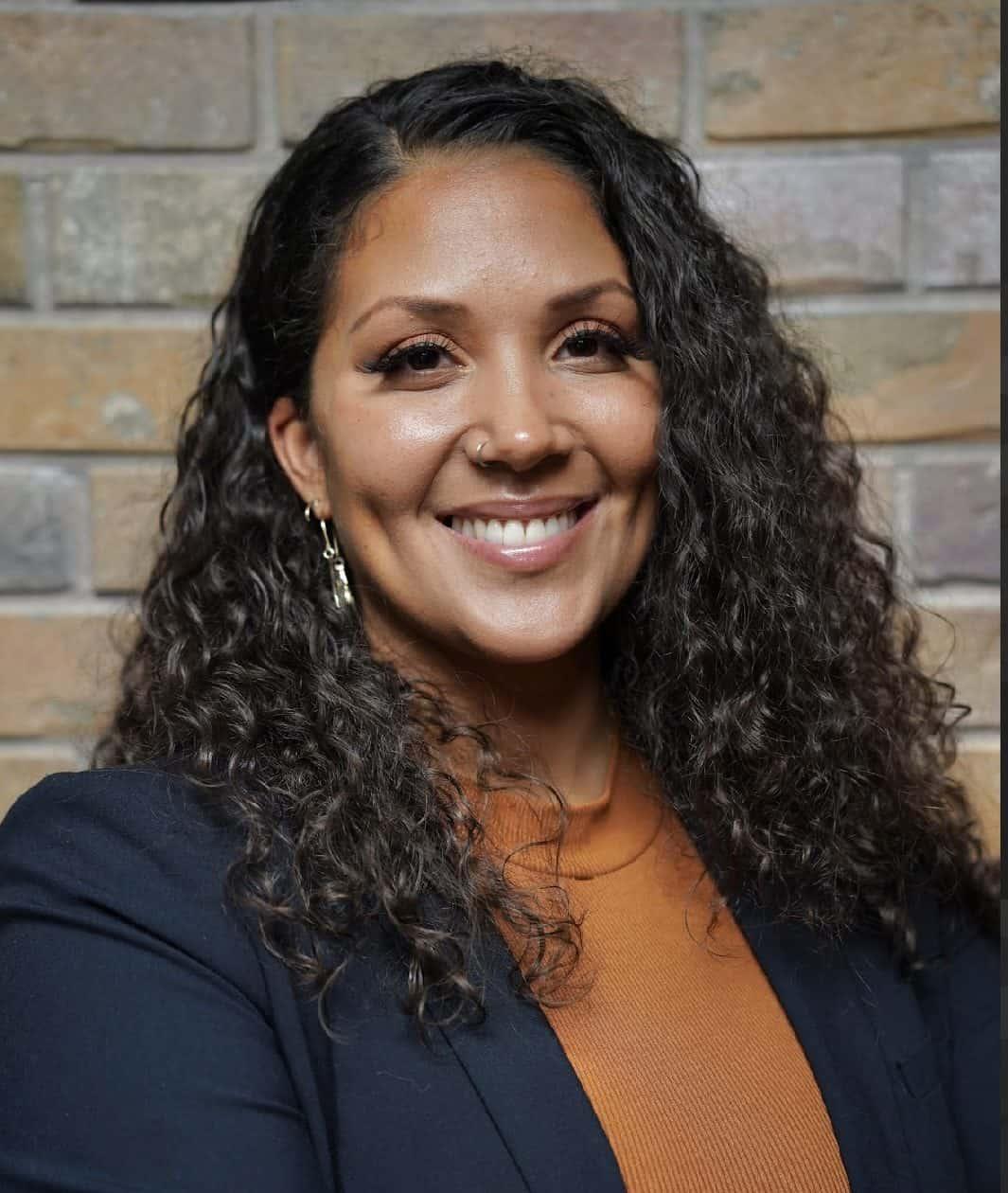
Courtney Rolle, CMHC
Clinical Mental Health Counselor